The visually breathtaking dystopian epic “Casshern” delivers a grim warning about war, technology, and the cost of losing our humanity.
When Casshern was released in 2004, it baffled many audiences. Based loosely on the 1973 anime Casshan, Kazuaki Kiriya’s live-action reimagining threw viewers into a grim, apocalyptic world wrapped in painterly visuals and bleeding-edge digital effects (for the time). It was a film of contradictions: beautiful yet brutal, futuristic yet steeped in historical trauma, epic in scope yet achingly personal in its emotional core.
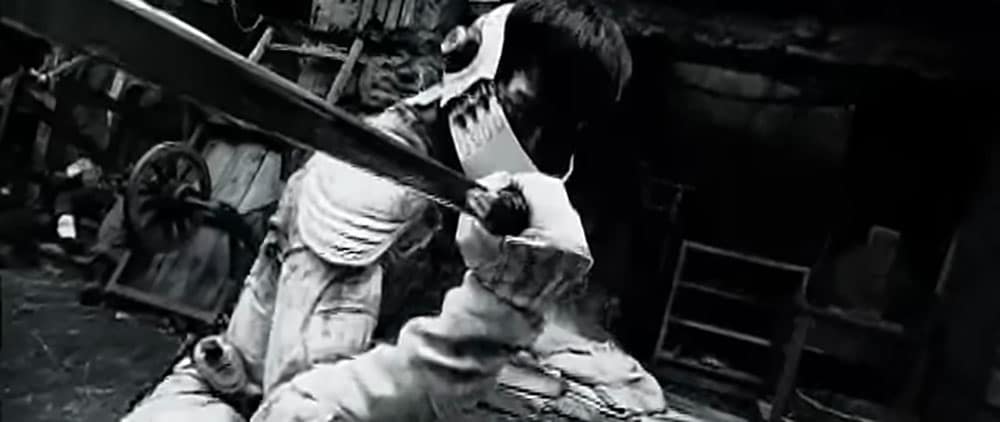
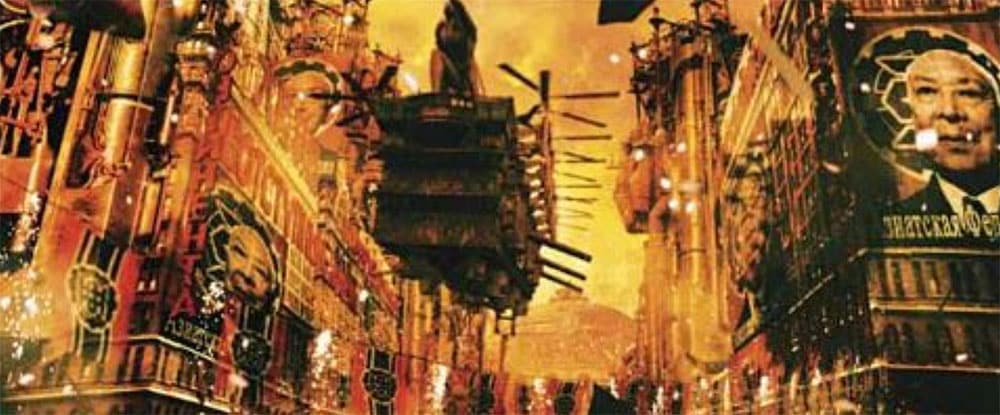
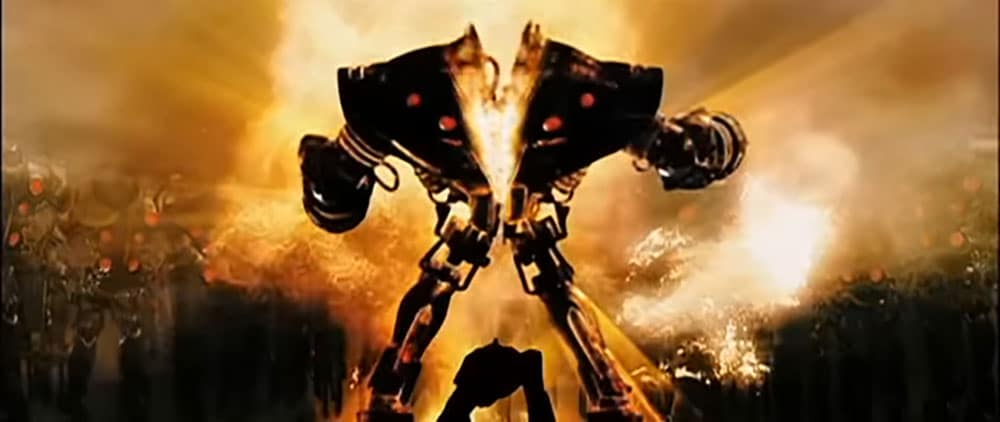
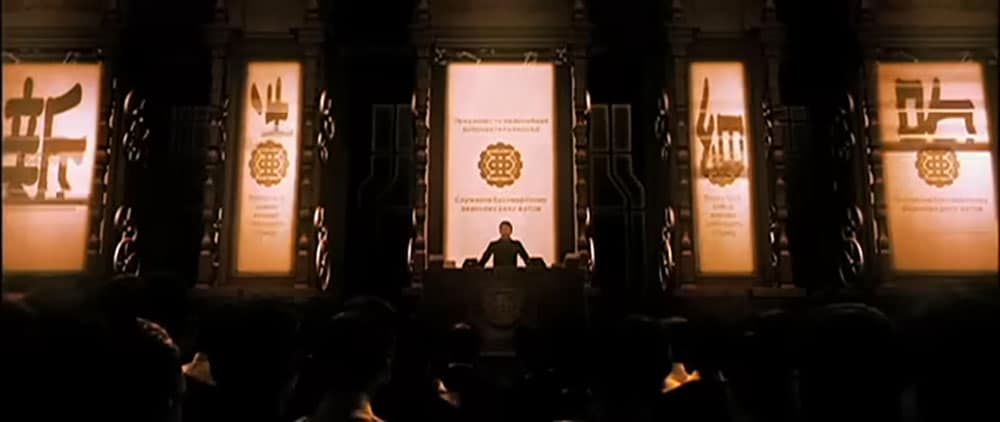
The film’s visual style, a blend of live-action and CGI, is both breathtaking and unsettling. The stark contrasts, the vibrant colors, and the surreal imagery create a dreamlike atmosphere that enhances the film’s thematic depth. It’s a visual language that speaks to the fragmented nature of reality in a world consumed by war and technological upheaval.
While Casshern was labeled primarily as a dystopian sci-fi action film, beneath the sleek chrome and thunderous battle sequences lurks a much darker heart—a deeply unsettling exploration of war’s dehumanizing effects, the ethics of technological advancement, and how prejudice, fear, and systemic violence strip people of their worth until they become nothing more than disposable cogs in a merciless machine.
Twenty years later, Casshern’s warnings feel more urgent than ever, making it ripe for reexamination.
A World Built on War and Exploitation
Kiriya’s vision is a dystopian tapestry woven with threads of war, genetic manipulation, and the desperate search for meaning in a world teetering on the brink. The film opens amidst the ashes of a protracted war, a conflict that has ravaged the Earth and left deep scars on its survivors.
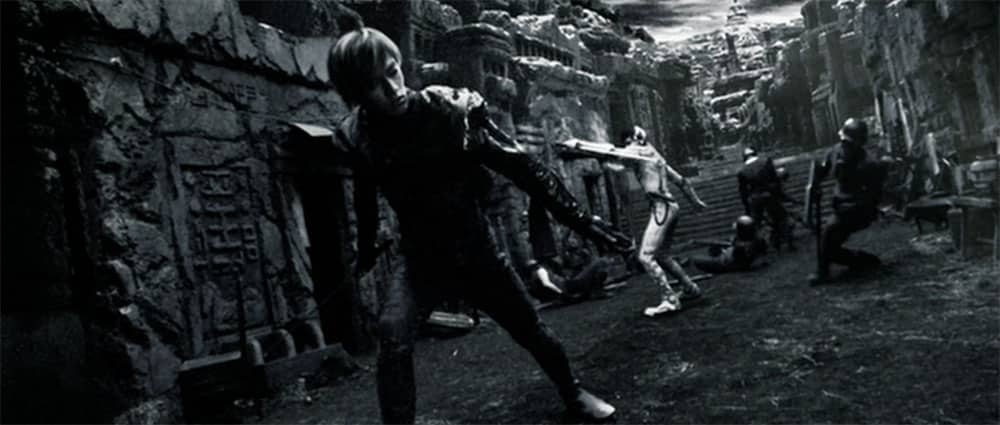
The visceral imagery of destruction, the skeletal remains of cities, and the haunted faces of soldiers serve as a stark reminder of war’s devastating consequences. This brutal portrayal is not mere spectacle; it’s a condemnation of the cyclical nature of violence, a cycle that continues to plague our own world.
Technological advancement is driven by military necessity, and human life has been reduced to a resource to be harvested, manipulated, and discarded. This vision of progress is explicitly tied to conquest. The development of new energy sources, biomedical breakthroughs, and cyborg-like super-soldiers all emerge not from a desire to improve life but to prolong war and maintain dominance. This world reflects our own uncomfortable history, where technological leaps—from nuclear weapons to AI-driven warfare—are often forged in the fires of conflict, with ethics left as an afterthought.
In Casshern, humanity’s relentless drive to conquer external enemies leaves its soul hollowed out. The supposed heroes and villains blur until both sides become equally monstrous.
Dehumanization and the “Other”
The film’s central conflict revolves around the rise of the Neo-Sapiens, artificial lifeforms created from scraps of discarded human tissue, revived through controversial Neo-Cell technology. Instead of being treated as a scientific marvel or potential salvation for humanity, the Neo-Sapiens are immediately feared, demonized, and hunted down like vermin.
This fear and loathing of the ‘manufactured’ beings echo a long history of othering in our real world—from the dehumanization of marginalized groups during wartime to the exploitation of migrant laborers seen as less than human. Casshern exposes how easy it is to justify atrocities when the enemy is cast as subhuman or unnatural.
The Neo-Sapiens’ violent uprising, born from pain and vengeance, is inevitable. They are victims of humanity’s own prejudice and cruelty, twisted into the very monsters humanity feared they would become.
What Makes Us Human?
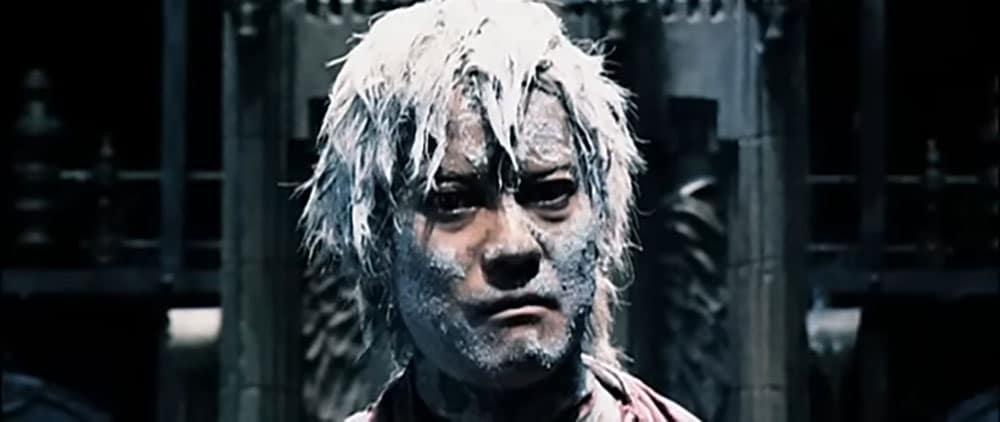
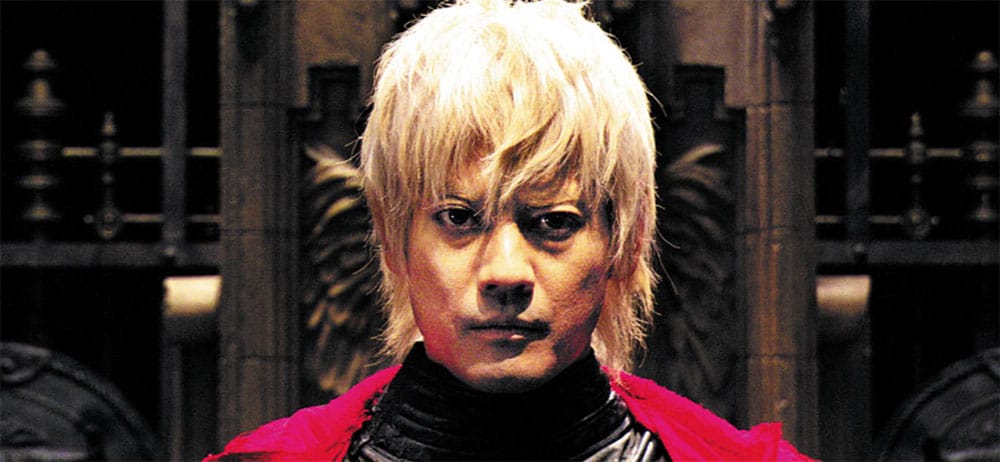
The film’s exploration of humanity is equally unsettling. Casshern, the resurrected warrior, embodies the struggle to reconcile his newfound existence with the horrors of his past.
He exists in a liminal space between human and machine, hero and weapon. His journey is one of agonizing self-discovery as he grapples with his role as both savior and executioner. It’s a descent into the depths of human nature, a confrontation with the darkness that lurks within us all. The film poses a fundamental question: What does it mean to be human in a world where technology blurs the lines between life and death?
The BioRoids, born from the twisted experiments of Dr. Azuma, further challenge our understanding of humanity. They are both victims and aggressors, products of a society that has lost its moral compass. In a time when advancements in artificial intelligence and genetic engineering raise ethical dilemmas, Casshern’s exploration of these themes feels particularly relevant.
The Unstoppable Machine of War
One of Casshern’s most haunting messages lies in its portrayal of war as an unstoppable machine—grinding forward regardless of who wins or loses. Victories are fleeting, and each side’s atrocities only ensure that the seeds of future vengeance are sown.
The film’s action sequences, stylized and exaggerated, capture the hypnotic allure of violence. It is the horrors of war rendered as a graphic novel spectacle, until the blood dries and all that’s left are corpses and regret.
This cyclical nature of violence feels chillingly relevant in a world where conflicts in Ukraine, Palestine, and countless other regions rage on—each built on decades of unresolved violence, inherited hatred, and the dehumanization of “the other.”
The Corrupting Power of Revenge
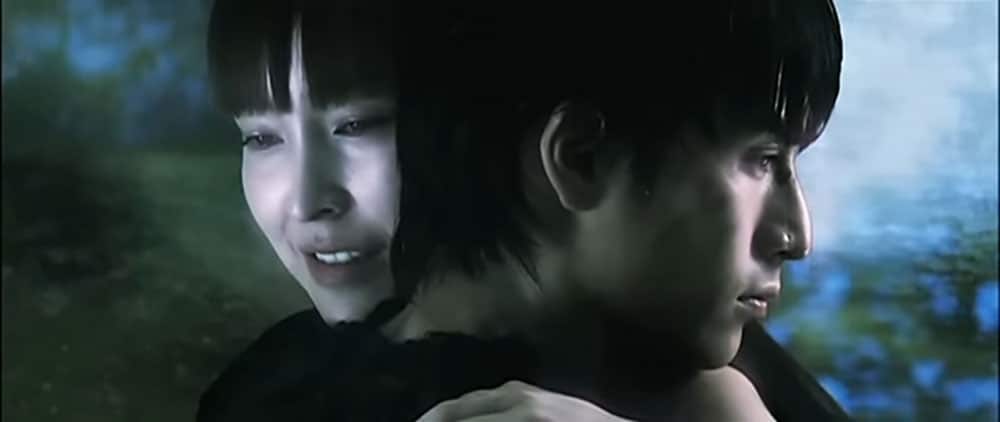
Vengeance is the driving force behind much of Casshern’s narrative. The Neo-Sapiens rise because they are denied their right to exist. Tetsuya’s (Casshern’s) father creates the technology that resurrects his son out of guilt, rage, and personal loss. Every character is consumed by their desire for revenge—whether against an individual, a system, or the cruelty of fate itself.
The film lays bare how revenge doesn’t heal; it festers. Each act of retribution only amplifies suffering, perpetuating cycles of violence.
In a world increasingly polarized by political division and ideological conflict, Casshern serves as a brutal reminder that vengeance only blinds us to our shared humanity.
Environmental Collapse as Backdrop
Though not always at the forefront, Casshern’s ruined world—scarred by endless war, toxic pollution, and reckless technological abuse—is a grim vision of ecological collapse. The planet itself becomes another casualty of human greed and short-sightedness.
This element resonates deeply in an era of climate crisis, where corporations and governments prioritize profit over planetary survival. The desolate landscapes of Casshern feel like warnings ripped from our own near future, where resource wars and ecological refugees could become daily reality.
Conclusion: The Most Terrifying Enemy Is Us
Ultimately, Casshern is a horror story disguised as a sci-fi spectacle. It is a beautiful but harrowing tale of a species so consumed by fear, hatred, and greed that it engineers its own destruction. Its horror isn’t supernatural; it’s disturbingly human.
Two decades later, as war, xenophobia, climate devastation, and technological overreach define the 21st century, Casshern stands as a prophetic warning. Its message is clear: the monsters we fear most are not made in laboratories; they are made in boardrooms, war rooms, and the dark corners of our own hearts.
In a time when the dehumanization of others is once again weaponized for political gain and technological breakthroughs race ahead of ethical reflection, Casshern reminds us that true horror lies not in futuristic dystopias but in the choices we make today.
Stephanie Malone is the founder, owner, and editor-in-chief for Morbidly Beautiful. Podcaster, producer, writer, illustrator, editor. Tomatometer-approved critic, voting member of the Women Film Critics Association, GALECA, the North Texas Film Critics Association, and official Cherry Picker. Follow her on X at @smalonedesign, Instagram at @srgreenhaw, Blue Sky at @angryprincess.bsky.social. MuckRack Profile: https://muckrack.com/stephanie-malone. Read Full
Sign up to receive weekly recaps of all Morbidly Beautiful posts
Guilty Pleasures
Guilty Pleasures
She’s a lover, he’s a fighter. Together, they’re CHEER AND LOATHING. Tune in to hear your hosts, Stephanie (Cheer) and Casey (Loathing), clash over the films they love — and the ones they love to hate.
Guilty Pleasures: Holiday Special Featuring “Elves”
byStephanie Malone
In this holiday extravaganza episode of Guilty Pleasures, join hosts Stephanie, Kelly, and our newest addition, Jonathan (Jack was tied up in tinsel and couldn't join us), as they unwrap the bizarre and unhinged world of holiday cinema. They dive into the depths of Elves, a film that's as chaotic as it is entertaining. It's a sleigh full of questionable decisions, diabolical dialogue, absurd plot twists, wildly offensive antics, and unhinged holiday mischief.
And that's not all! In the second half of the podcast, join your festive cinephile friends for a look at four more ”nutty as a fruitcake” holiday treats: A New York Christmas Wedding, Elf Bowling, A Medea Christmas, and Jack Frost. Plus, we each offer a bonus Christmas flick guaranteed to make you say, ”Ho, Ho, HO-LY Hell!”
Expect laughter, disbelief, and a spirited debate about what truly makes a movie a guilty pleasure. Don't miss this festive journey through the weirdest corners of holiday films!














Follow Us!