Screaming for Change: Why Horror Has Always Been Political


The Horror genre has long been dismissed as mere escapism—a playground for gore, jump scares, and supernatural thrills. But to reduce horror to its surface-level tropes is to ignore its profound cultural and political significance.
Horror has always been a powerful vehicle for political and social commentary, serving as a mirror to society’s deepest fears and anxieties. Since its inception, the genre has fearlessly addressed societal ills and made progressive statements, often through clever allegory and subtext. From its earliest roots in folklore and Gothic literature to the early days of Universal Monsters to its modern incarnations in film and television, horror has consistently served as a mirror to society’s darkest fears and injustices.
This ability to shed light on real-world horrors has defined horror as an inherently political genre, one that has consistently given voice to marginalized communities and challenged the status quo.
Despite claims that the genre should remain neutral or apolitical, horror has historically served as a battleground for sociopolitical commentary.
Often offering subversive critiques of systemic oppression, xenophobia, misogyny, bigotry, and racism, it is a genre that thrives on discomfort. It forces audiences to confront the monsters not only on the screen but also within themselves and their societies. To claim neutrality in horror is to misunderstand its very essence.
The communities that horror has embraced are now facing unprecedented challenges, from discriminatory legislation to acts of violence. In this context, horror’s role as a vehicle for protest and empowerment is more important than ever.
Horror has always been rooted in societal fears and moral panics.
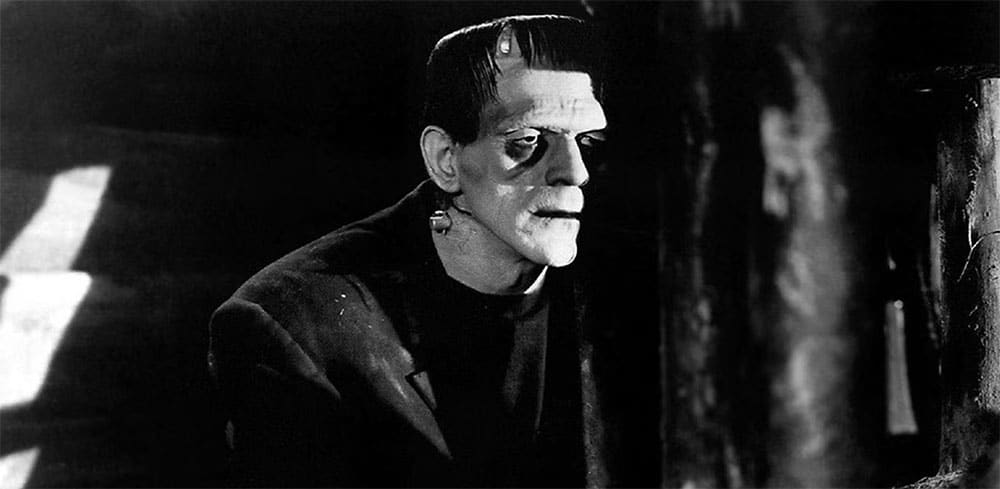
Gothic literature of the 18th and 19th centuries frequently engaged with anxieties about class, colonialism, and gender roles. Frankenstein, for example, has been read as a critique of unchecked scientific ambition but also as an allegory for marginalized individuals who are rejected by society. Similarly, Bram Stoker’s Dracula (1897) plays upon fears of foreign invasion, reflecting Victorian anxieties about the “other” corrupting Western purity.
The German Expressionist film The Cabinet of Dr. Caligari (1920) is often interpreted as a commentary on the authoritarian rule that would soon grip Germany.
These stories were not merely meant to terrify; they were meant to provoke thought. They used the supernatural and the grotesque to explore real-world issues, setting a precedent for horror as a genre that thrives on allegory and subtext.
One of the most iconic examples is George A. Romero’s Night of the Living Dead (1968), which cast a Black protagonist, Ben (Duane Jones), at a time when racial tensions in America were at a boiling point. The film’s gut-punch ending—Ben surviving the zombies only to be shot dead by a white posse—was a stark indictment of systemic racism and the disposable way Black lives were treated, eerily mirroring the images of civil rights violence at the time.
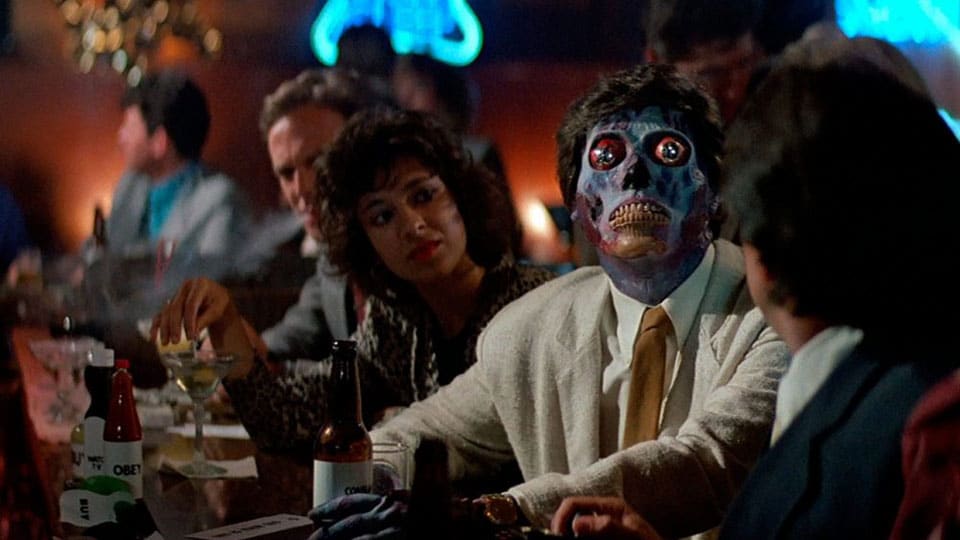
In the 1980s, horror continued to reflect the political climate. John Carpenter’s They Live (1988) critiqued Reagan-era capitalism, portraying aliens as stand-ins for the wealthy elite exploiting the working class. The film’s now-iconic sunglasses that allow the protagonist to see subliminal messages like “OBEY” and “CONSUME” speak to the insidious nature of economic control and propaganda.
More recently, Robert Eggers’ The Witch (2015) can be read as a feminist reclamation of the historical persecution of women labeled as witches—challenging patriarchal religious structures and the dangers of societal scapegoating.

Horror has long been a space where marginalized communities find representation and subversion of mainstream narratives.
This is particularly evident in the rise of Black horror, which has gained significant traction in recent years. LGBTQ+ representation has also found a home in horror. Queer horror has flourished in recent decades, but its roots stretch back further. A Nightmare on Elm Street 2: Freddy’s Revenge (1985) has been retrospectively viewed as a metaphor for repressed homosexuality, while Clive Barker—one of horror’s most influential openly gay creators—infused his works like Hellraiser with themes of sexual repression and otherness.
Even classic horror films, such as The Bride of Frankenstein (1935), have been interpreted through a queer lens, with the monster’s longing for companionship resonating with LGBTQ+ viewers.
Women, too, have found empowerment in horror.
The “final girl” trope, popularized by slasher films like Halloween (1978) and Alien (1979), has evolved into a symbol of female resilience. More recent films, such as Midsommar (2019) and The Invisible Man (2020), explore themes of toxic relationships and patriarchal control, offering catharsis for audiences who have experienced similar struggles. Meanwhile, the critically acclaimed satirical body horror The Substance explores issues of impossible beauty standards, ageism, and the commodification of women’s bodies.
One of horror’s greatest strengths is its ability to disguise political commentary within its narratives. Filmmakers have long used the genre to critique societal ills in ways that might otherwise be censored or suppressed.
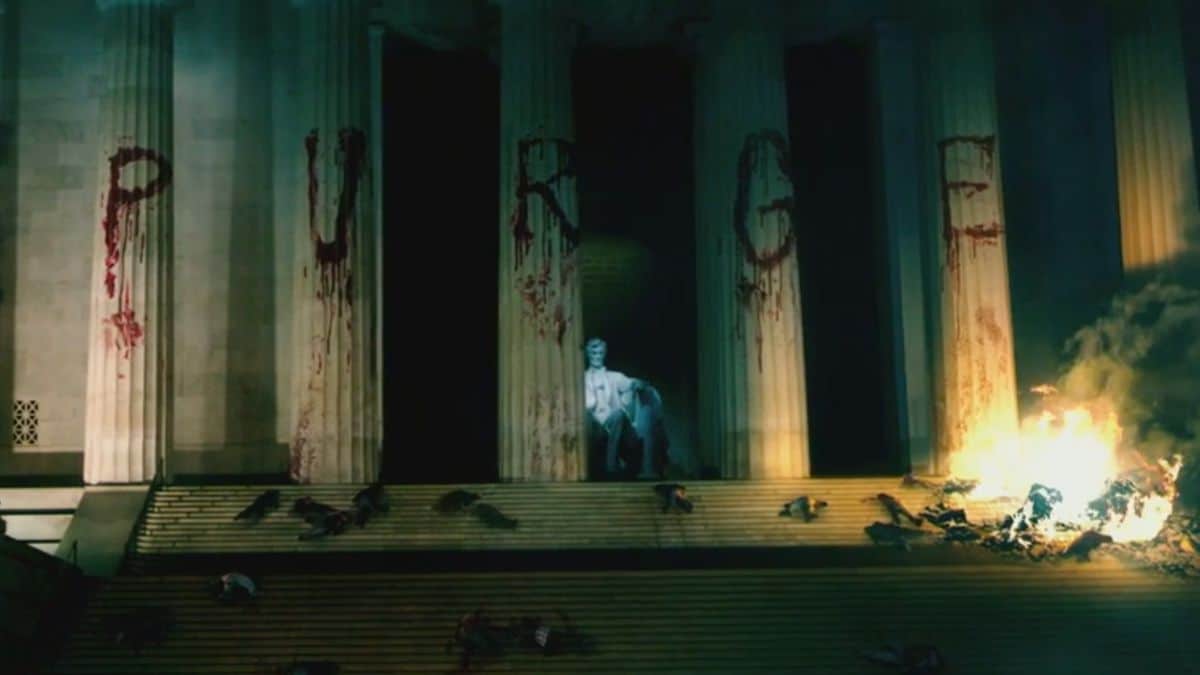
The genre has consistently tackled topics such as xenophobia, income inequality, and environmental destruction. Films like The Purge series have become more overtly political with each installment, directly commenting on current events and societal tensions.
The recent surge in socially conscious horror films reflects a growing awareness of the genre’s potential to effect change. Filmmakers are using horror to confront audiences with uncomfortable truths about racism, sexism, homophobia, and other forms of discrimination that persist in our society.

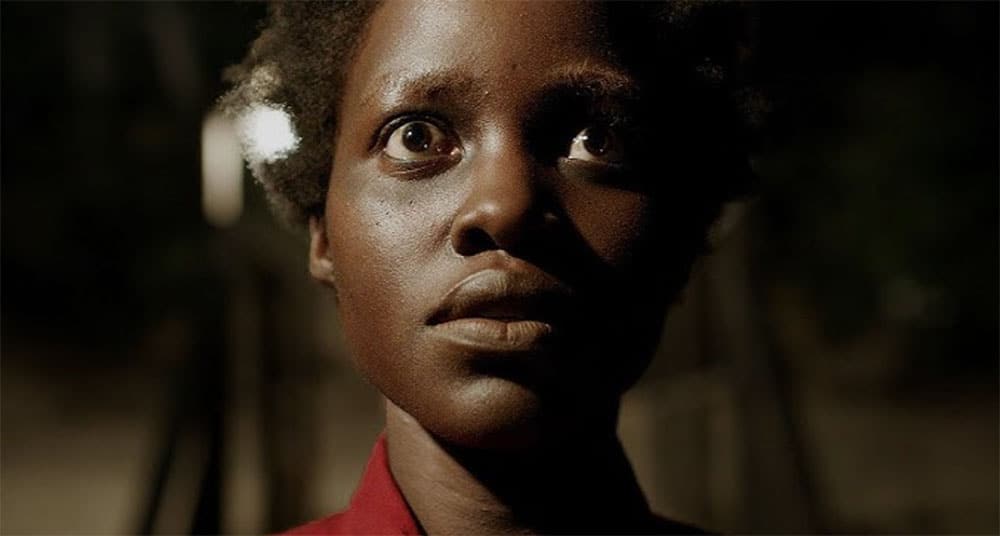
Black filmmakers like Jordan Peele (Get Out, Us), Nia DaCosta (Candyman, 2021), and Rusty Cundieff (Tales from the Hood, 1995) have used horror to dissect the horrors of systemic racism, police brutality, and the commodification of Black suffering.
Get Out, in particular, became a cultural phenomenon, demonstrating how horror could serve as an incisive political statement, critiquing the white liberal complicity in racism.
These films and those like them are not just stories; they are acts of resistance.
They force audiences to confront the pervasive and insidious nature of racism, challenging them to see the monsters not as supernatural entities but as the systems that perpetuate inequality.
In recent years, the sociopolitical climate has grown increasingly hostile toward marginalized communities. LGBTQ+ rights are under attack, women’s autonomy is being eroded, immigrants are increasingly vilified and scapegoated, and systemic racism continues to plague societies worldwide.
Horror has always spoken to these struggles, and its role as a vehicle for protest remains critical. Further, the genre has responded to these threats by amplifying the voices of those most affected.
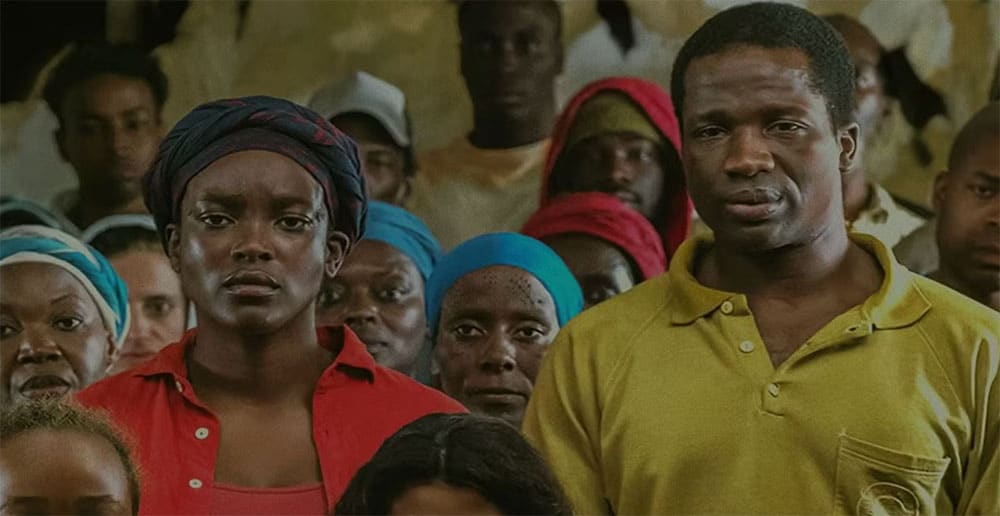
In a genre defined by its willingness to confront societal evils, claiming neutrality is not just disingenuous—it’s counter to the very spirit of horror.
Filmmakers who insist on being apolitical ignore the genre’s rich history of activism and its potential to effect change. Horror has always been about bringing the monsters into the light, celebrating the outcasts, and shaming the sources of true evil.
To remain silent in the face of injustice is to betray the genre’s core principles.
As the world grapples with issues of inequality, oppression, and violence, horror has a unique opportunity to lead the charge for change. By continuing to shed light on societal horrors and amplifying marginalized voices, the genre can remain a powerful force for progress.
Now more than ever, we need horror to remind us that the real monsters are not the ones lurking in the shadows—but the ones hiding in plain sight.

She’s a lover, he’s a fighter. Together, they’re CHEER AND LOATHING. Tune in to hear your hosts, Stephanie (Cheer) and Casey (Loathing), clash over the films they love — and the ones they love to hate.
In this holiday extravaganza episode of Guilty Pleasures, join hosts Stephanie, Kelly, and our newest addition, Jonathan (Jack was tied up in tinsel and couldn't join us), as they unwrap the bizarre and unhinged world of holiday cinema. They dive into the depths of Elves, a film that's as chaotic as it is entertaining. It's a sleigh full of questionable decisions, diabolical dialogue, absurd plot twists, wildly offensive antics, and unhinged holiday mischief.
And that's not all! In the second half of the podcast, join your festive cinephile friends for a look at four more ”nutty as a fruitcake” holiday treats: A New York Christmas Wedding, Elf Bowling, A Medea Christmas, and Jack Frost. Plus, we each offer a bonus Christmas flick guaranteed to make you say, ”Ho, Ho, HO-LY Hell!”
Expect laughter, disbelief, and a spirited debate about what truly makes a movie a guilty pleasure. Don't miss this festive journey through the weirdest corners of holiday films!


Follow Us!