Beyond the Mainstream: 24 Subversive Filmmakers


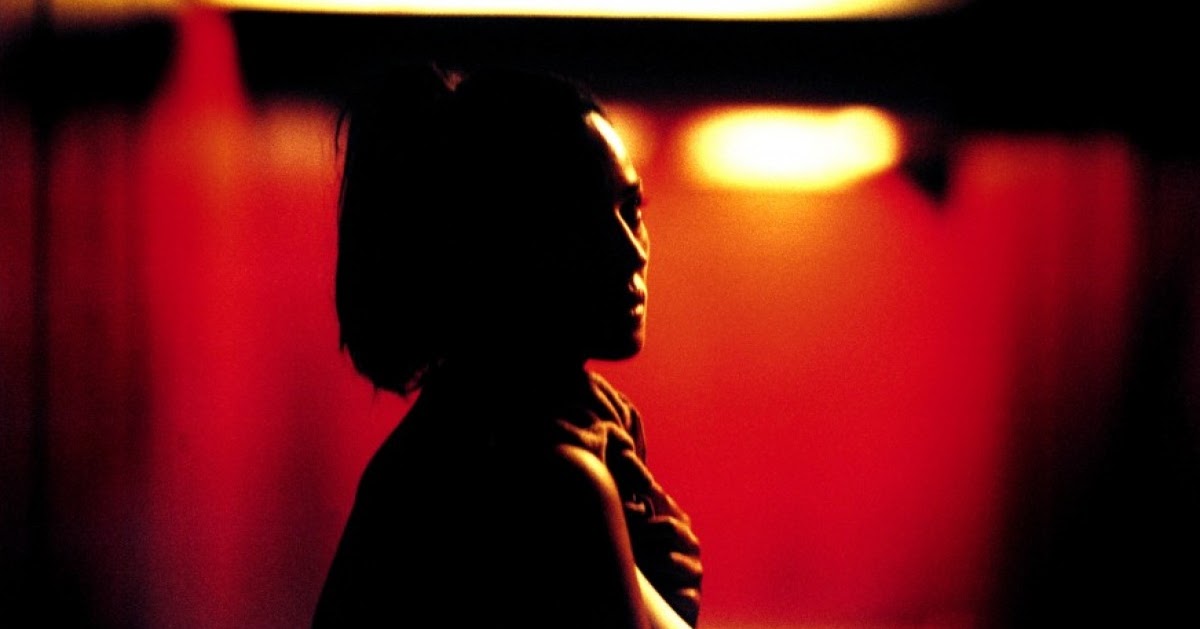
Gaspar Noé is a provocateur known for his hallucinatory visuals, unrelenting intensity, and deeply nihilistic themes. His films are often visceral experiences designed to shock and disorient.
Enter the Void (2009) – A psychedelic odyssey through life, death, and the afterlife. The film is a visually stunning exploration of consciousness and existence.
Irreversible (2002) – A gut-punch of non-linear storytelling, extreme violence, and despair. Infamous for its brutal depiction of violence, this film is not for the faint of heart.
(Note: Irreversible also easily qualifies as his most shocking film, but we’re highlighting another highly controversial pick considered extreme for different reasons.)
Love (2015) – Hardcore unsimulated sex wrapped in a tragic romance. This film pushes the boundaries of on-screen sexuality with its explicit content.

Pier Paolo Pasolini was a filmmaker and intellectual who combined politics, sexuality, and provocation in ways that still shock today. His work often explored controversial themes with unflinching honesty.
The Gospel According to St. Matthew (1964) – A stark, neorealist depiction of Christ’s life. This film offers a grounded and humanistic portrayal of the biblical story.
Teorema (1968) (aka Theorem) – A mysterious stranger disrupts a bourgeois family, exploring themes of sex and power. The film is a thought-provoking exploration of societal hypocrisy and repressed desires.
Salò, or the 120 Days of Sodom (1975) – A relentless assault on the senses, combining fascism, torture, and extreme sexual violence. This film is notoriously disturbing and explores the darkest aspects of human nature.
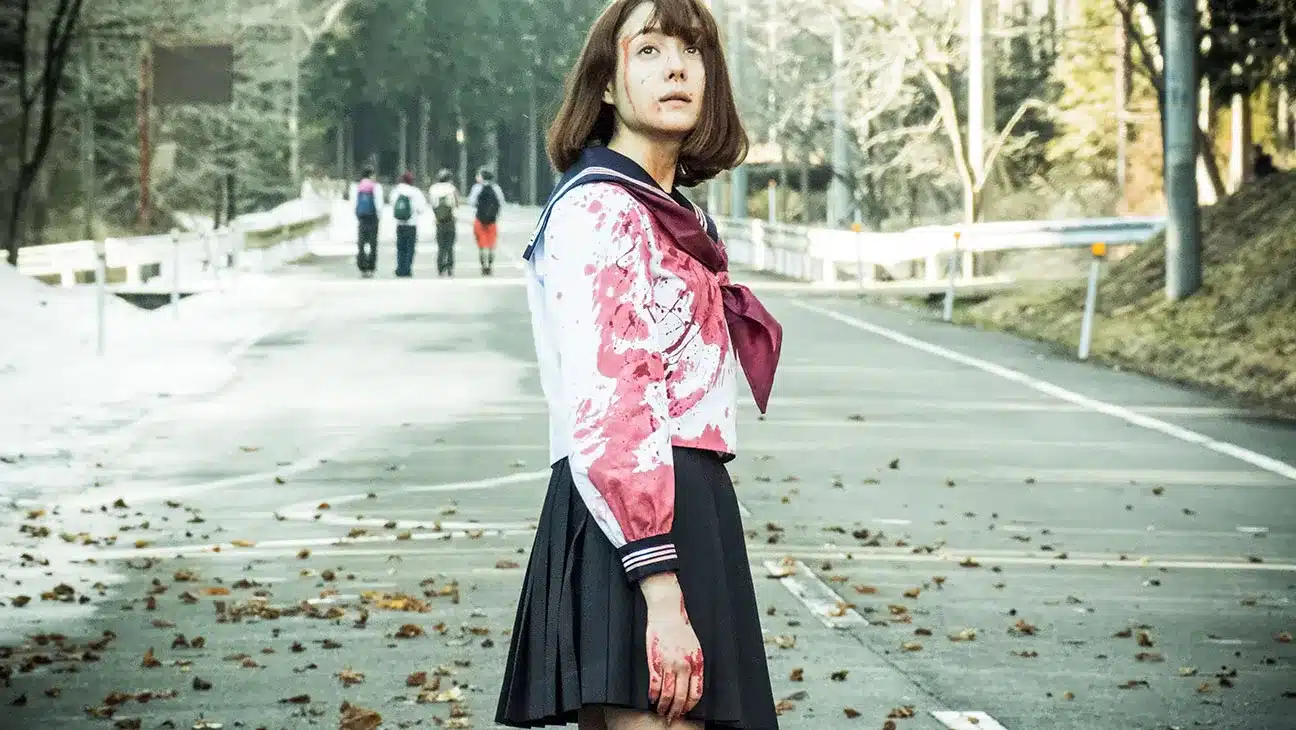
Sion Sono is a filmmaker of extremes, blending violence, sexual transgression, and pop culture absurdity. His films are often energetic, chaotic, and wildly imaginative.
Tag (2015) – A mind-bending horror-action hybrid with feminist undertones. This film delivers thrills and social commentary with a unique visual style.
Love Exposure (2008) – A four-hour epic about love, perversion, and religious trauma. This sprawling film is a testament to Sono’s ambition and explores complex themes with depth and nuance.
Cold Fish (2010) – A serial killer thriller drenched in brutality and nihilism. This film is a dark and disturbing descent into the world of violence and murder.
Suicide Club (2001) – A chaotic and shocking horror film that opens with one of cinema’s most disturbing mass suicide scenes. Suicide Club critiques Japan’s pop culture, alienation, and media influence through its twisted, surreal horror framework.
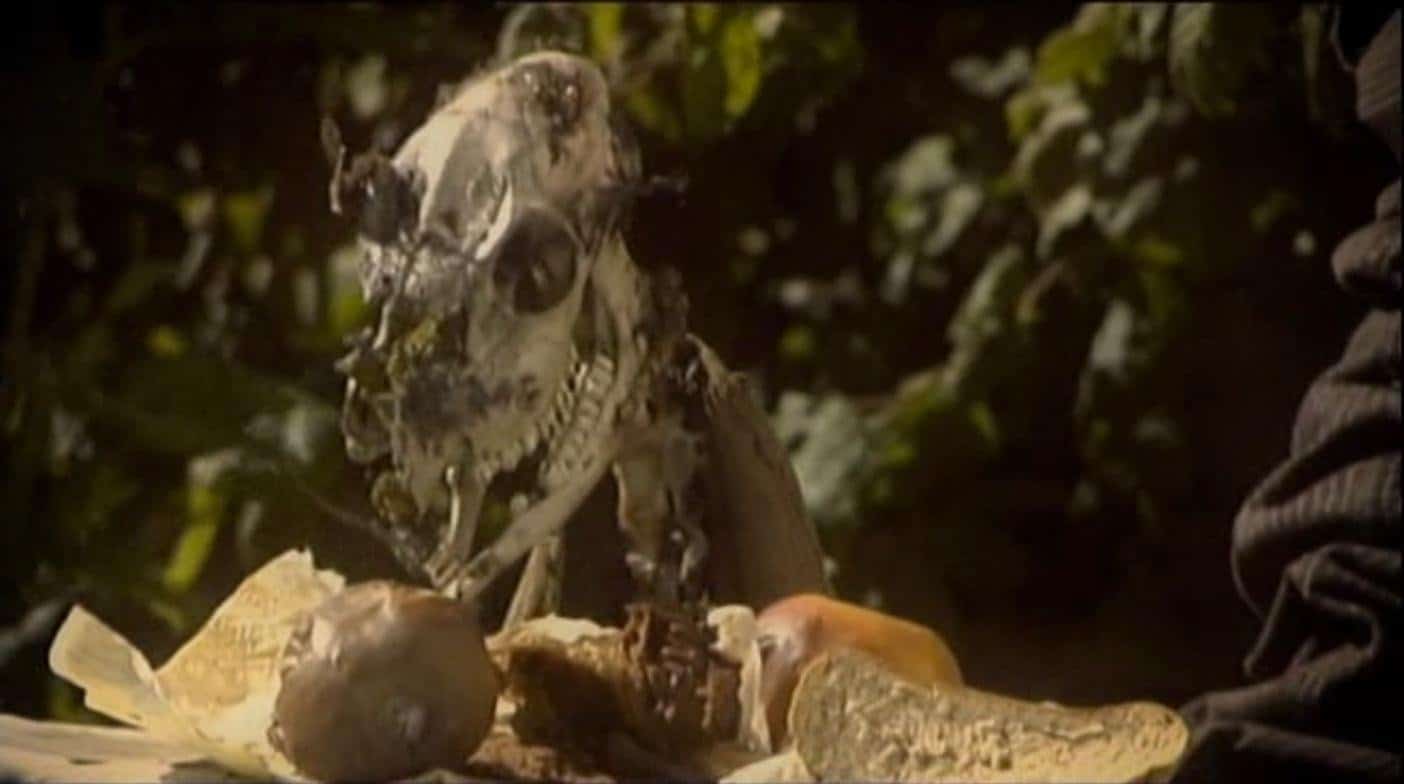
Marian Dora is an enigmatic and elusive filmmaker whose works are among the most disturbing ever made. His films are known for their bleakness, nihilism, and graphic content.
Carcinoma (2014) – A bleak, grotesque meditation on disease and suffering. This film is a challenging and unsettling exploration of the human condition.
Melancholie der Engel (2009) (aka The Angels’ Melancholia) – A nihilistic, poetic, and deeply disturbing odyssey of depravity. This film is notorious for its graphic content and bleak worldview.
Cannibal (2006) – A dramatization of the infamous Armin Meiwes cannibalism case, featuring harrowing realism. This film is extremely disturbing due to its graphic depiction of real-life events.
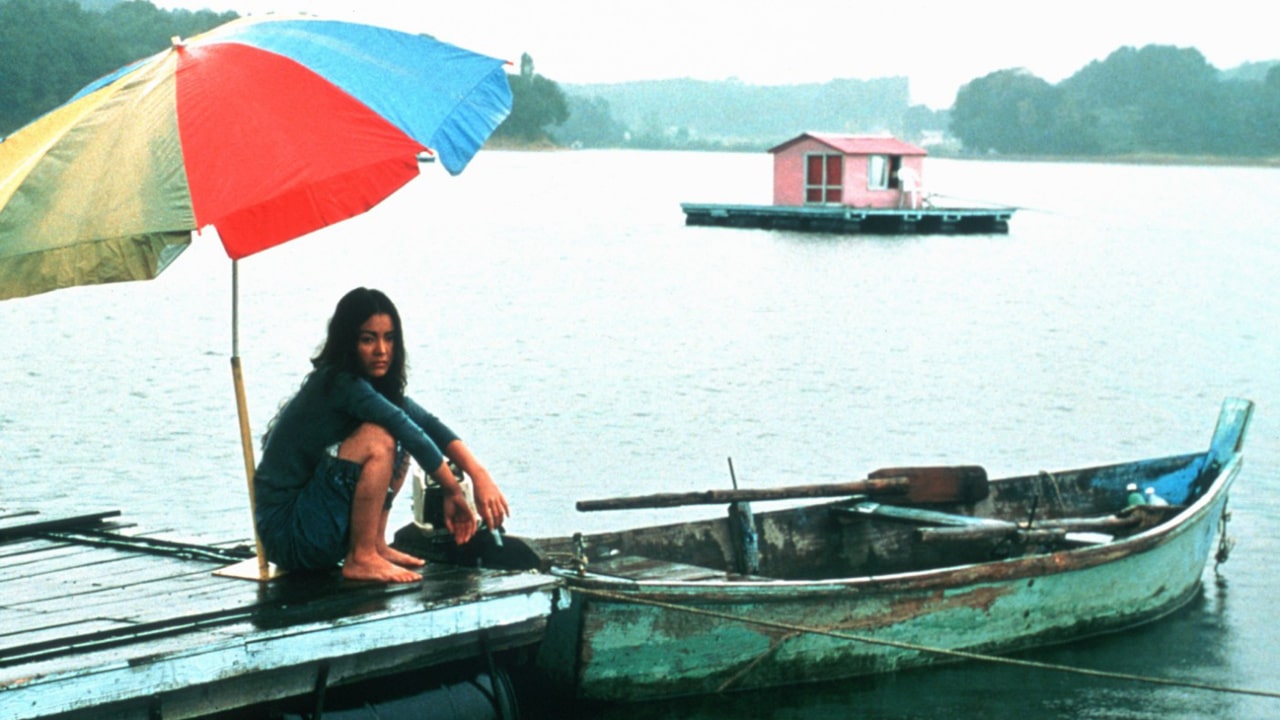
Kim Ki-duk was a master of blending beauty and brutality, with themes of sex, violence, and suffering. His films often juxtapose stunning visuals with disturbing content.
Spring, Summer, Fall, Winter… and Spring (2003) – A meditative and poetic film about the cycle of life, featuring serene landscapes and minimal violence.
Pieta (2012) – A deeply unsettling revenge drama about human cruelty, maternal obsession, and economic despair.
The Isle (2000) – A mix of stunning visuals and harrowing body horror. This film combines serene imagery with shocking moments of violence and body horror.
Moebius (2013) – A nearly silent film featuring incest, genital mutilation, and psychosexual horror, pushing the boundaries of on-screen extremity.
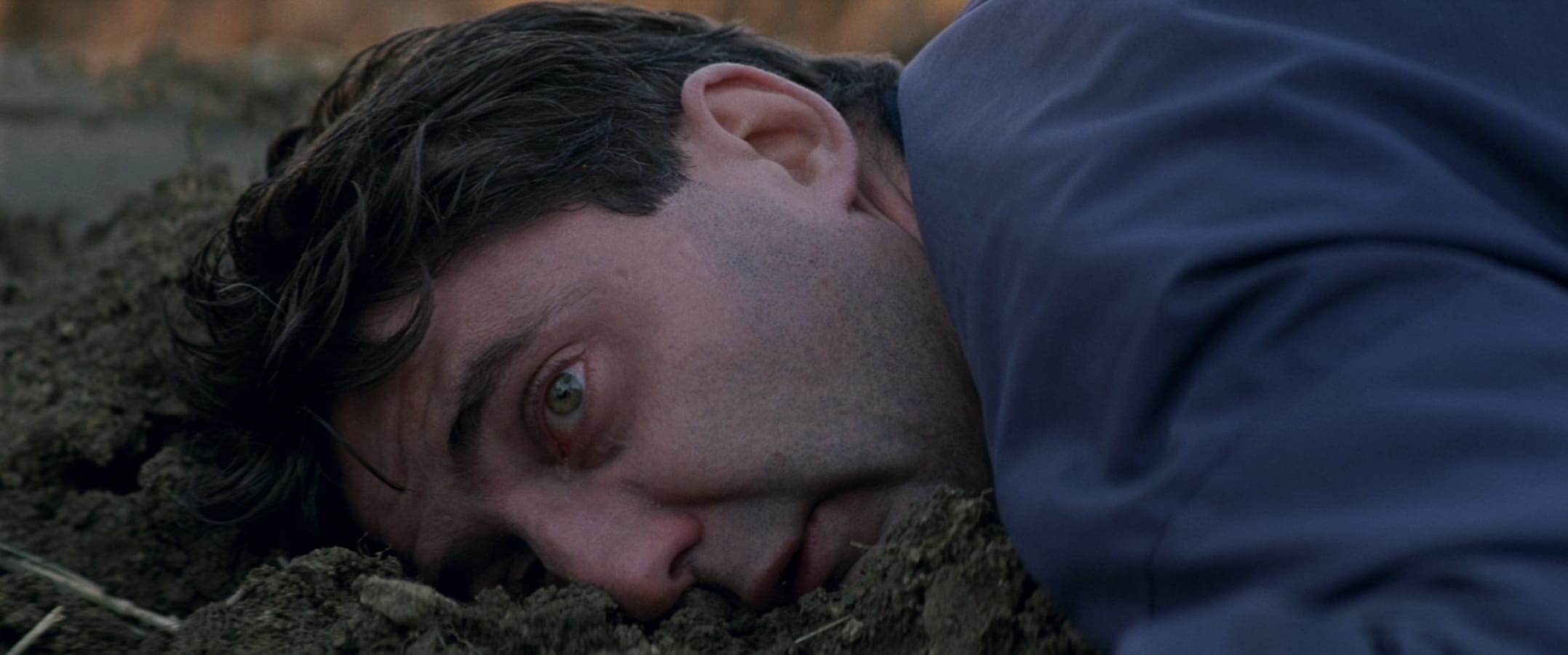
Bruno Dumont is a high-art filmmaker who revels in grotesque, unflinching depictions of human cruelty. His films are often slow-paced, minimalist, and deeply unsettling.
Hadewijch (2009) – A slower, religious drama with psychological horror elements. This film explores themes of faith, extremism, and psychological turmoil.
Humanité (1999) (aka L’humanité) – Features one of the most graphic murder scenes in cinema. This film is known for its unflinching portrayal of violence and its exploration of human depravity.
Twentynine Palms (2003) – A meditative, nihilistic film culminating in extreme violence. This film is a slow burn that builds to a shocking and brutal climax.
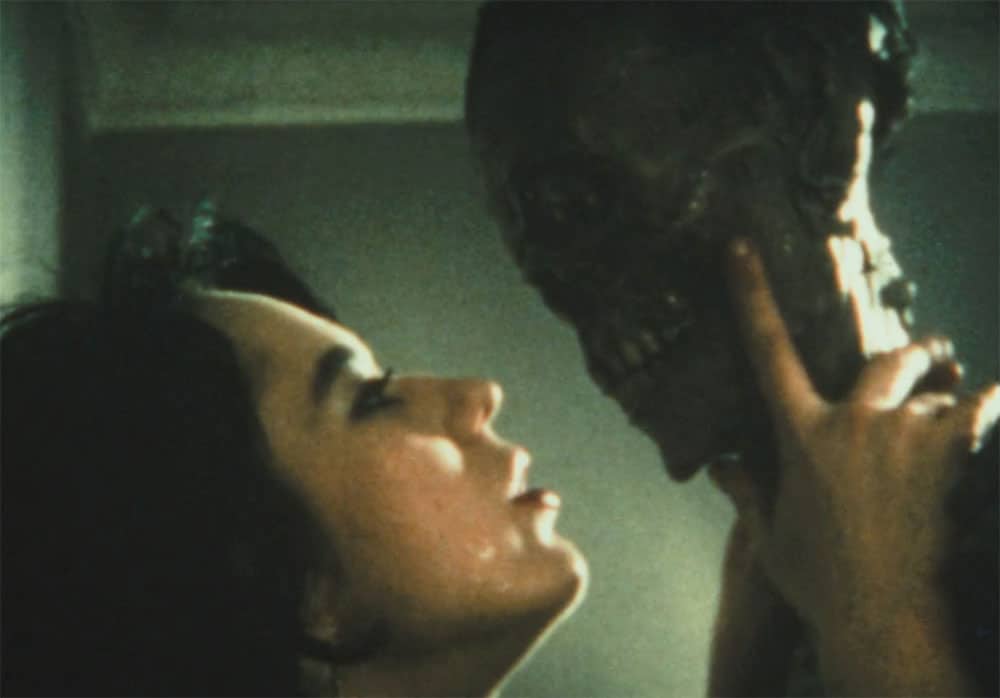
Jörg Buttgereit is a German underground horror legend, known for necrophilia-themed films. His films are transgressive, low-budget, and deeply disturbing.
Der Todesking (The Death King) (1990) – A moody, experimental anthology on death that lacks the extreme necrophilic elements of his other films.
Nekromantik (1987) – A cult classic about necrophilia, obsession, and decayed romance, infamous for its grotesque imagery.
Schramm (1993) – A psychosexual descent into the mind of a serial killer, featuring graphic self-mutilation and hallucinations.
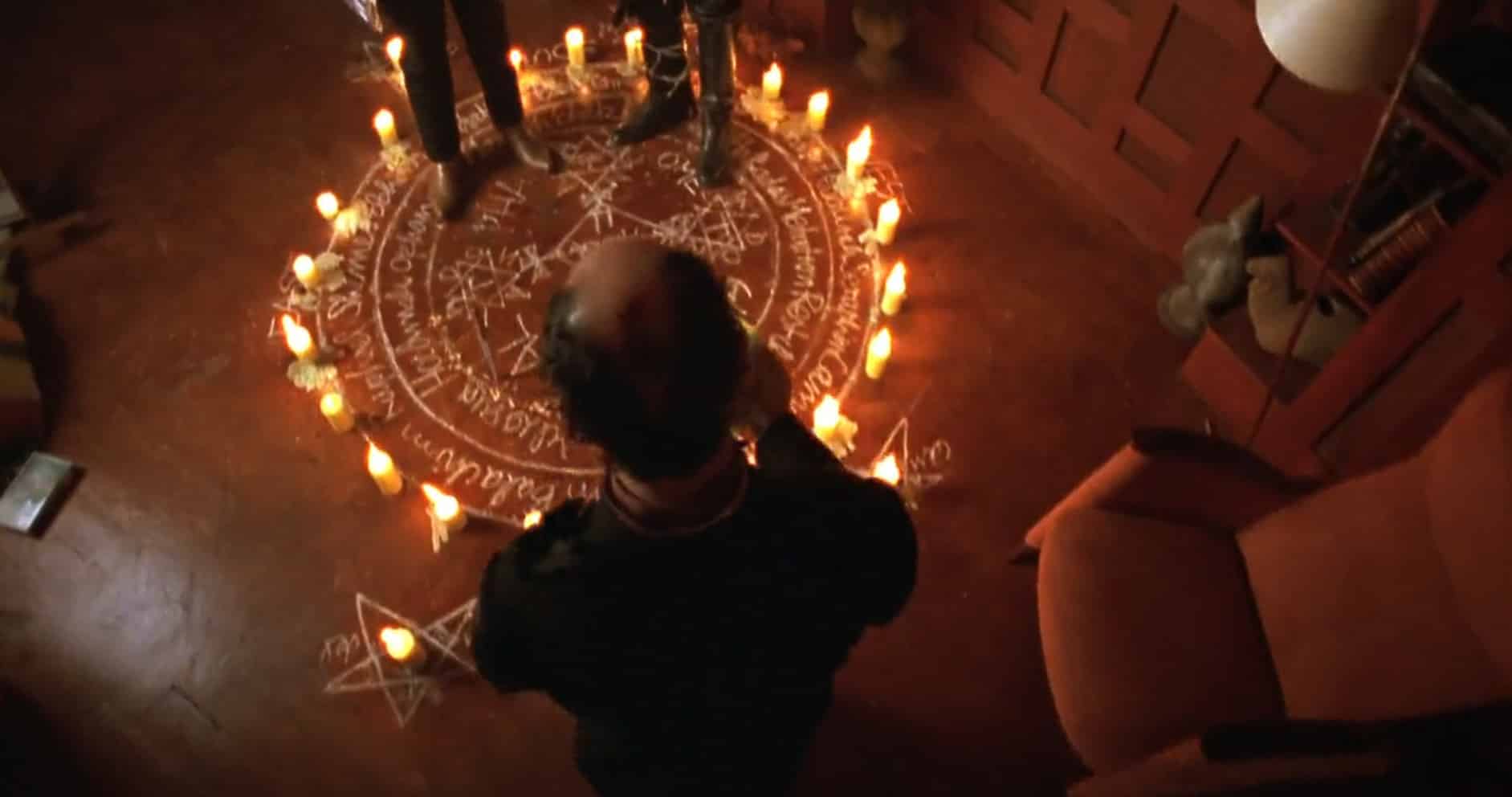
Álex de la Iglesia mixes absurdity, dark comedy, and shocking violence. His films are often energetic, visually inventive, and darkly humorous.
The Oxford Murders (2008) – A murder mystery with a famous cast. This film offers a more accessible entry point into de la Iglesia’s filmography, with a blend of suspense and intrigue.
The Day of the Beast (1995) – An apocalyptic horror-comedy masterpiece. This film is a wild and entertaining ride that blends horror and humor to great effect.
The Last Circus (2010) – Surreal, violent, and grotesque—clown horror at its peak. This film is a visually stunning and disturbing exploration of love, hate, and revenge.

She’s a lover, he’s a fighter. Together, they’re CHEER AND LOATHING. Tune in to hear your hosts, Stephanie (Cheer) and Casey (Loathing), clash over the films they love — and the ones they love to hate.
In this holiday extravaganza episode of Guilty Pleasures, join hosts Stephanie, Kelly, and our newest addition, Jonathan (Jack was tied up in tinsel and couldn't join us), as they unwrap the bizarre and unhinged world of holiday cinema. They dive into the depths of Elves, a film that's as chaotic as it is entertaining. It's a sleigh full of questionable decisions, diabolical dialogue, absurd plot twists, wildly offensive antics, and unhinged holiday mischief.
And that's not all! In the second half of the podcast, join your festive cinephile friends for a look at four more ”nutty as a fruitcake” holiday treats: A New York Christmas Wedding, Elf Bowling, A Medea Christmas, and Jack Frost. Plus, we each offer a bonus Christmas flick guaranteed to make you say, ”Ho, Ho, HO-LY Hell!”
Expect laughter, disbelief, and a spirited debate about what truly makes a movie a guilty pleasure. Don't miss this festive journey through the weirdest corners of holiday films!

Follow Us!