Beyond the Mainstream: 24 Subversive Filmmakers


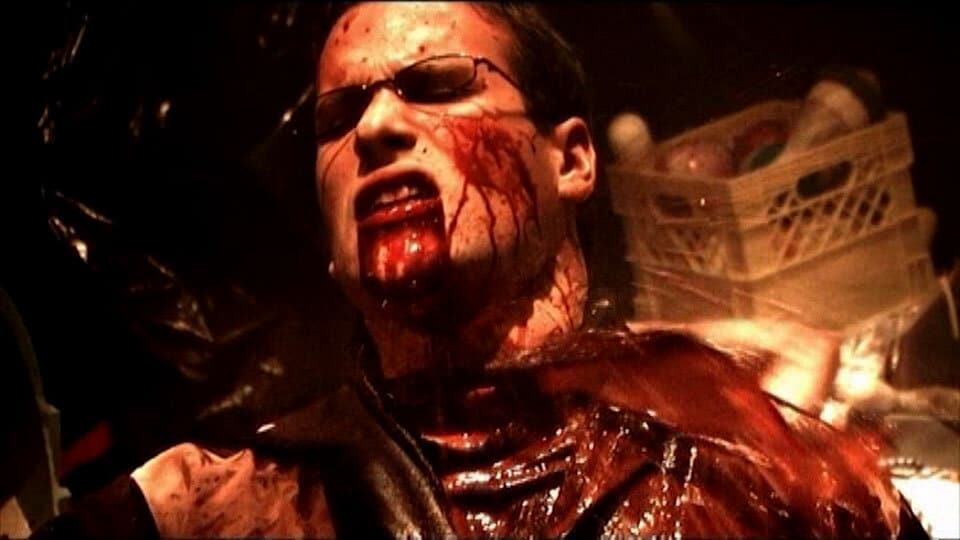
Ryan Nicholson is known for ultra-violent, sleazy, and deeply unsettling horror. His films are often low-budget and packed with gore and extreme content.
Live Feed (2006) – A low-budget take on Hostel-style gore. This film delivers visceral horror in a straightforward and brutal manner.
Gutterballs (2008) – A trashy, grotesque slasher with extreme sexual violence. This film is notorious for its over-the-top violence and sleazy content.
Collar (2014) – A grim, nihilistic torture film with disturbing real-world parallels. This film is deeply disturbing due to its graphic violence and bleak outlook.
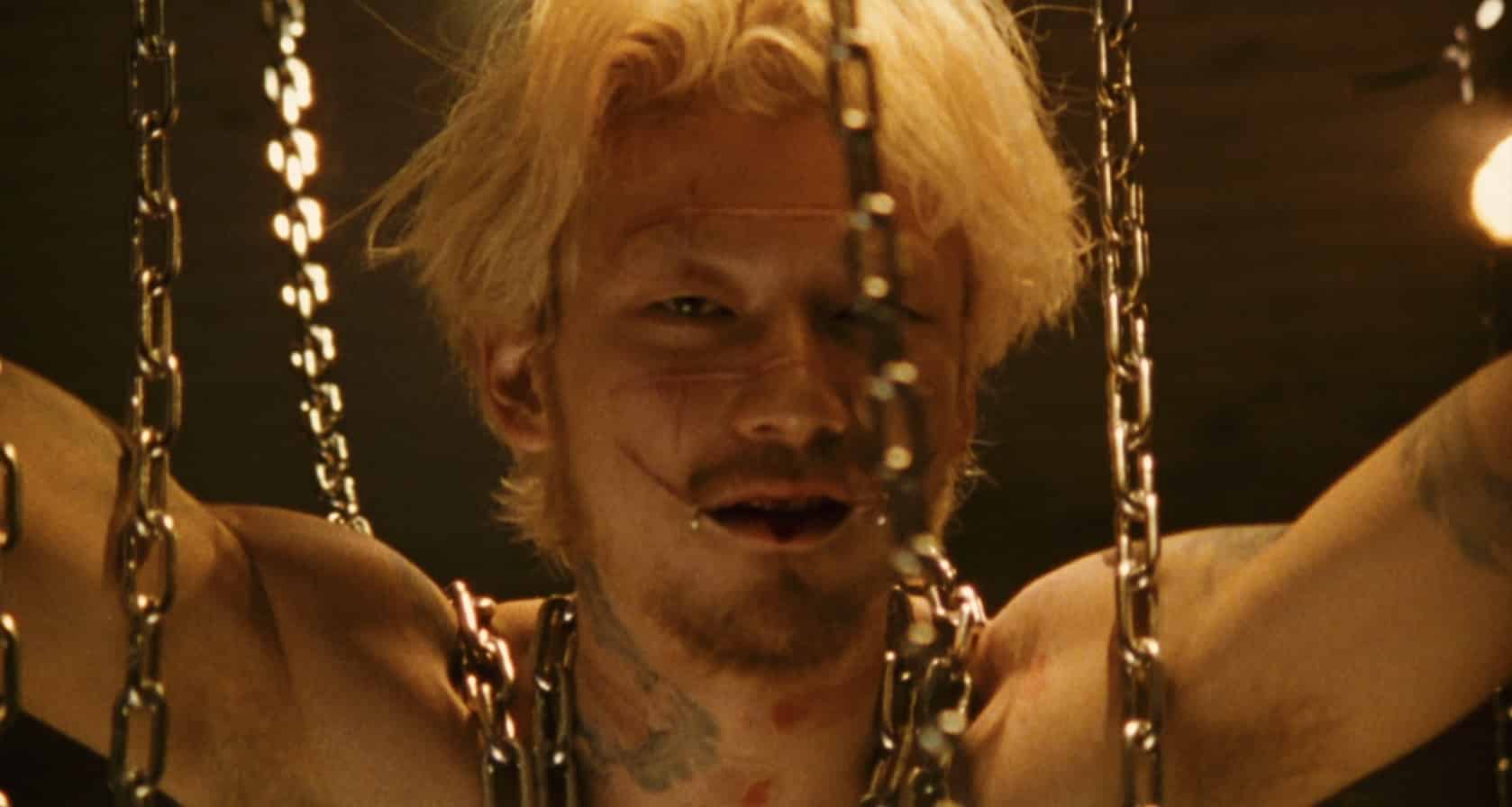
Takashi Miike is one of the most prolific and versatile filmmakers in world cinema, shifting effortlessly between family-friendly fare and some of the most extreme, shocking films ever made. His work often blends hyper-violence, surrealism, and black comedy.
13 Assassins (2010) – A stunning samurai epic that features Miike’s kinetic action but is far more restrained than his usual excesses.
Audition (1999) – A slow-burn psychological horror that crescendos into one of the most horrifying finales in film history, a defining work of J-horror.
Ichi the Killer (2001) – A hyper-violent, sadistic gangster film filled with torture, gore, and shocking depravity.
Visitor Q (2001) – A pitch-black satire on media, family dysfunction, and human depravity, filled with shocking taboos like incest, necrophilia, and lactation fetishism, making it one of Miike’s most unsettling films.
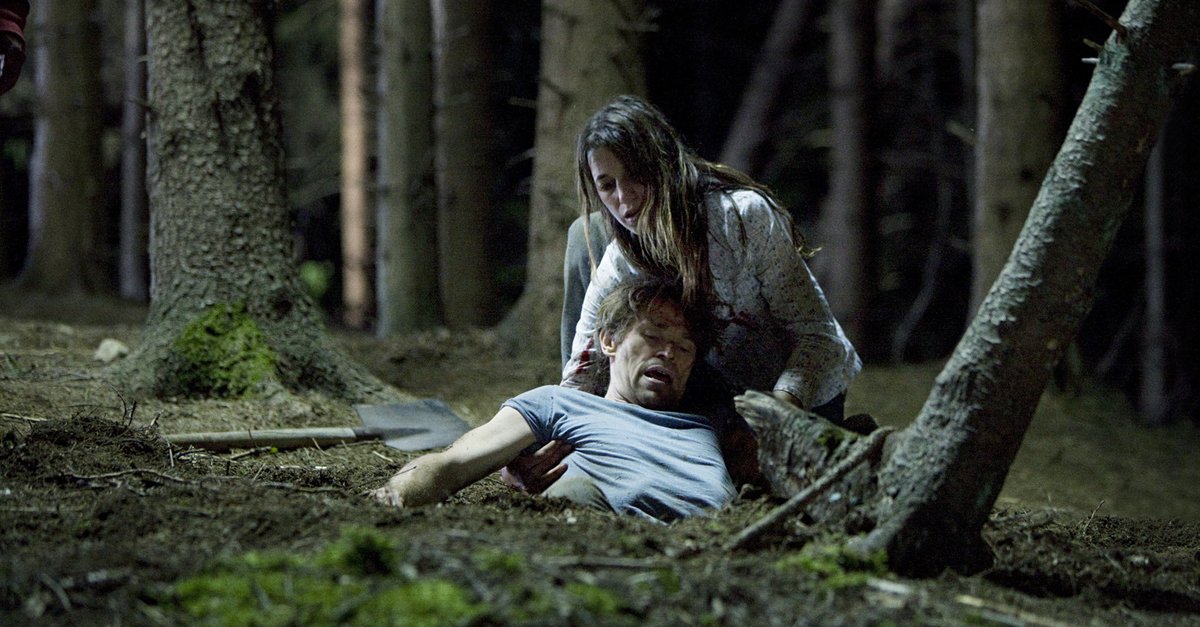
Lars von Trier is one of the most provocative filmmakers of our time, blending arthouse aesthetics with deeply transgressive content and themes of despair, violence, and human suffering.
Melancholia (2011) – A visually stunning meditation on depression and the end of the world.
Antichrist (2009) – A harrowing psychological horror film that explores grief, madness, and sexual violence.
The House That Jack Built (2018) – A disturbingly graphic portrait of a serial killer, filled with brutal violence and controversial themes.

Daisuke Yamanouchi is an underground Japanese filmmaker known for extreme exploitation. His films often feature graphic violence, sexual content, and transgressive themes.
Girl Hell 1999 (1999) – A mix of sleazy horror and twisted social commentary. This film blends genres and themes in a way that is both disturbing and thought-provoking.
Red Room (1999) – A game of survival horror filled with humiliation and torment. This film is a brutal and intense experience that pushes the boundaries of extreme cinema.
Red Room 2 (2000) – Doubles down on the grotesque, turning sadistic games into absolute hell. This sequel amplifies the violence and depravity of the original, creating an even more extreme viewing experience.
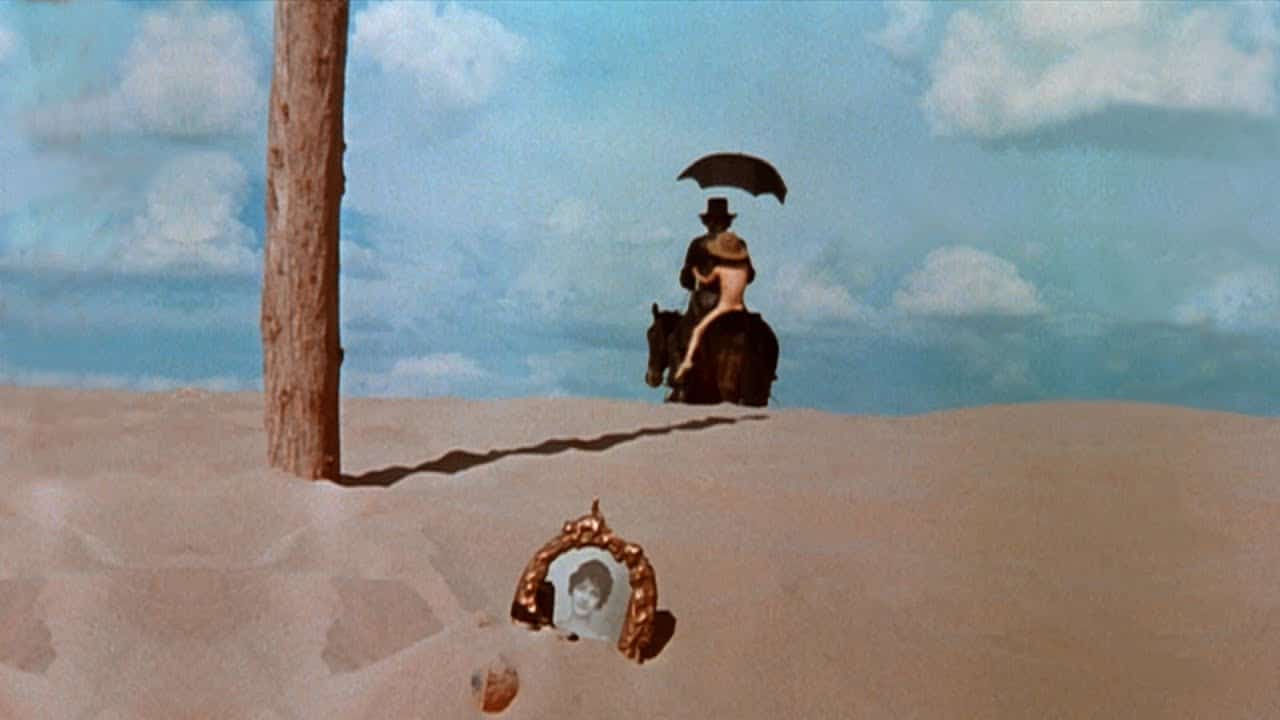
A director known for his surreal, visionary, and often shocking films that blend mysticism, symbolism, and the avant-garde. His work is highly transgressive, pushing the boundaries of cinematic expression and exploring the subconscious.
The Holy Mountain (1973) – While still highly surreal, this film gained more widespread recognition and is a visually stunning exploration of spirituality and transformation.
El Topo (1970) – This film is a landmark of the counter-culture and a key example of Jodorowsky’s style, blending Western motifs with surreal and mystical elements
Santa Sangre (1989) – This later work delves into darker and more disturbing psychological themes, exploring obsession, trauma, and madness with a visceral intensity.
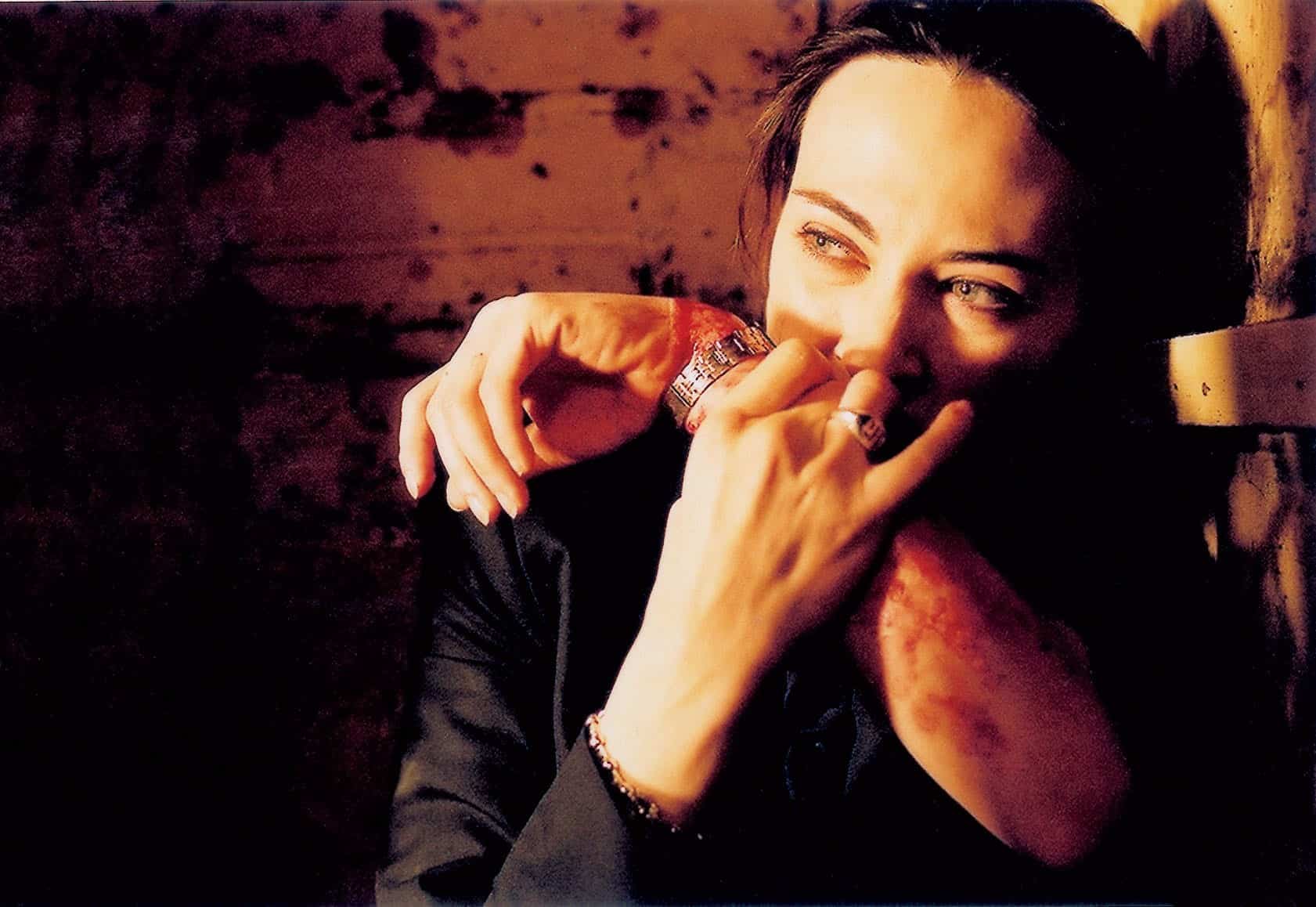
A French actress, film director, and screenwriter known for her body horror films that explore themes of identity, the body, and psychological transformation. Her work is often transgressive, unsettling, and deeply personal.
Don’t Look Back (Ne te retourne pas) (2009) – A psychological thriller with elements of body horror, starring Sophie Marceau and Monica Bellucci. This film is more accessible than some of her earlier work while still exploring her signature themes.
In My Skin (Dans ma peau) (2002) – De Van’s directorial debut and a key example of her body horror style. It is a disturbing and visceral exploration of identity and self-destruction.
In My Skin is undeniably de Van’s most shocking and memorable film, but here’s another fantastic recommendation if you want to explore more of her exciting and subversive filmography:
Dark Touch (2013) – While a departure from her earlier, more intensely personal body horror, this film explores themes of trauma, repressed anger, and violent outbursts in a disturbing supernatural context, showcasing de Van’s ability to create unsettling and shocking imagery.
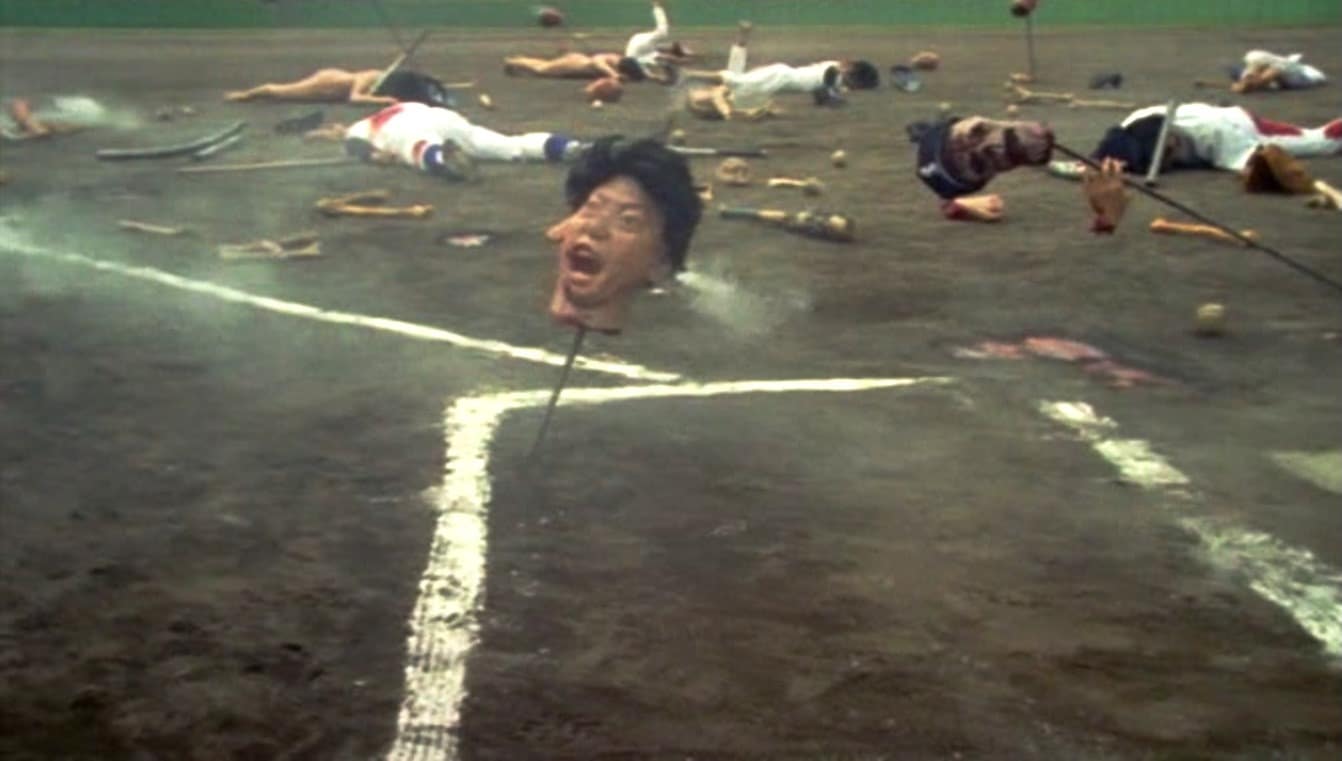
Yūdai Yamaguchi combines extreme violence with a sense of the absurd. His films are often over-the-top, energetic, and darkly humorous.
Battlefield Baseball (2003) – A campy, over-the-top horror comedy. This film is a more accessible and comedic entry point into Yamaguchi’s filmography.
Meatball Machine (2005) – A cyberpunk body-horror extravaganza. This film is a wild and visually inventive blend of genres and styles.
Deadball (2011) – A grotesque, ultraviolent baseball splatter film. This film is known for its extreme violence and over-the-top gore.
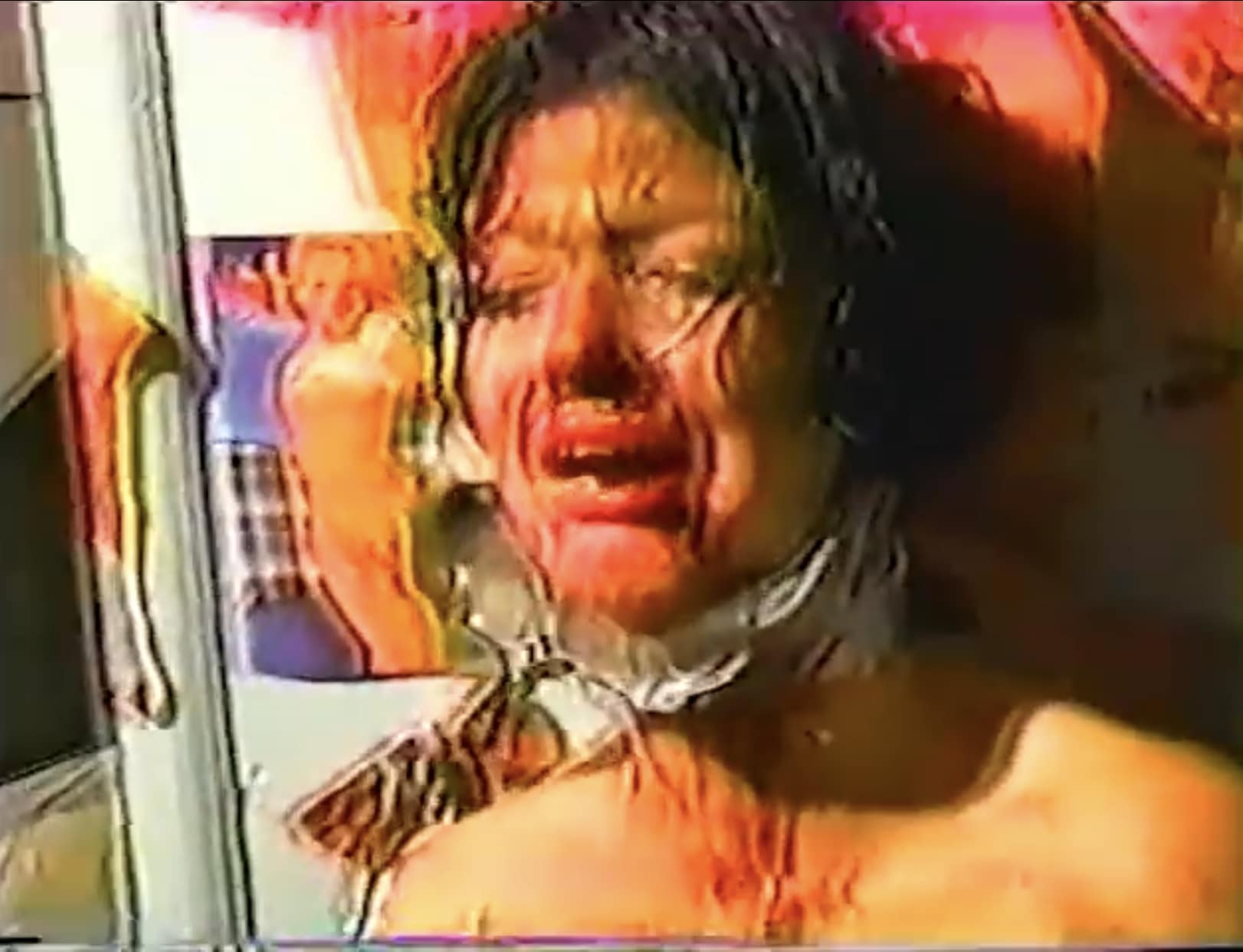
Fred Vogel is the godfather of American extreme horror, known for pushing the boundaries of taste with his graphic, no-holds-barred depictions of violence.
The Redsin Tower (2006) – Vogel’s most traditional horror film, featuring supernatural elements alongside his signature brutality.
August Underground (2001) – A found-footage nightmare that feels like a snuff film, infamous for its hyper-realistic violence.
August Underground’s Mordum (2003) – Even more brutal and nihilistic than its predecessor, one of the most extreme horror films ever made.

Some directors have created one truly shocking and influential film but lack a broader transgressive filmography. Here are some of the most notable for those looking to explore the most essential and influential films in the world of extreme horror.
A deeply unsettling exploration of youthful alienation, sexuality, and death.
Cannibal Holocaust is the most infamous found-footage horror film, featuring real animal deaths and brutal violence.
A Serbian Film remains one of the most controversial films ever made, an extreme allegory of political corruption.
A harrowing, hyper-realistic depiction of the atrocities committed by Japan’s Unit 731.
A short but deeply disturbing film about necrophilia and body desecration.
Martyrs is a grueling meditation on pain, transcendence, and the limits of human endurance.
A raw, unflinching found-footage horror that puts the viewer in the victim’s shoes.
A surreal, nightmarish horror film that blends extreme visuals with artistic storytelling.
///

She’s a lover, he’s a fighter. Together, they’re CHEER AND LOATHING. Tune in to hear your hosts, Stephanie (Cheer) and Casey (Loathing), clash over the films they love — and the ones they love to hate.
In this holiday extravaganza episode of Guilty Pleasures, join hosts Stephanie, Kelly, and our newest addition, Jonathan (Jack was tied up in tinsel and couldn't join us), as they unwrap the bizarre and unhinged world of holiday cinema. They dive into the depths of Elves, a film that's as chaotic as it is entertaining. It's a sleigh full of questionable decisions, diabolical dialogue, absurd plot twists, wildly offensive antics, and unhinged holiday mischief.
And that's not all! In the second half of the podcast, join your festive cinephile friends for a look at four more ”nutty as a fruitcake” holiday treats: A New York Christmas Wedding, Elf Bowling, A Medea Christmas, and Jack Frost. Plus, we each offer a bonus Christmas flick guaranteed to make you say, ”Ho, Ho, HO-LY Hell!”
Expect laughter, disbelief, and a spirited debate about what truly makes a movie a guilty pleasure. Don't miss this festive journey through the weirdest corners of holiday films!




2 Comments
2 Records
Kaja wrote:
Stephanie Malone wrote:
Thank you so much! I’m so glad you enjoyed it, and I truly appreciate you taking time to read and share your thoughts.