

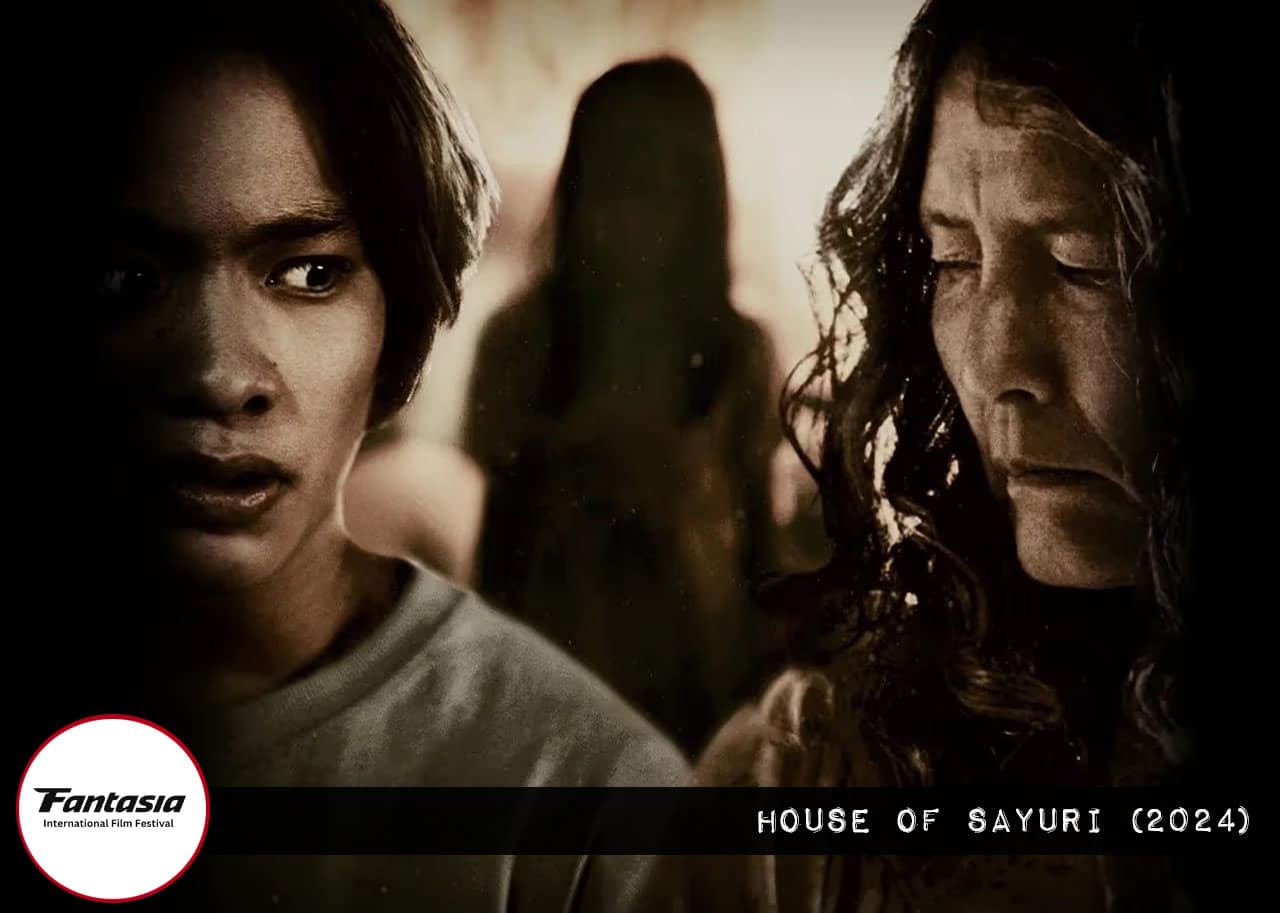
“House of Sayuri” masterfully blends chilling terror, effective humor, and endless surprises in a thrilling and subversive rollercoaster.
No time to read? Click the button below to listen to this post.
Fans of J-horror are no doubt familiar with the work of genre master Kōji Shiraishi. He is known for his influential and haunting supernatural tales, including two films that became massive hits in the West thanks to well-received American remakes: Ringu and Ju-On: The Grudge. He’s also known for the criminally underrated found footage masterpiece Noroi: The Curse and the crossover sensation Sadako vs. Kayako—the Japanese horror equivalent of Freddy vs. Jason.
He’s a master of genre tropes and the perfect person to subvert them and surprise viewers at every turn.
Shiraishi’s latest, House of Sayuri, is a horror comedy adaptation of Rensuke Oshikiri’s popular manga. It’s a genre-defying rollercoaster that brilliantly eschews expectations and delivers a thrilling, emotionally resonant experience.
The story follows the Kamikis family as they move into a seemingly idyllic countryside dream home, only to face a malevolent presence tied to the house’s tragic history. What begins as a conventional J-horror setup quickly evolves into something far more ambitious and unconventional.
Shiraishi’s masterful direction shines as he navigates the film through stark tonal shifts, seamlessly blending chilling horror with absurdist humor and poignant drama.
This tonal dissonance may alienate some viewers, particularly those unprepared for the film’s divisive third act. However, it’s precisely this willingness to defy convention that makes House of Sayuri such a refreshing and original entry in the horror genre.
The film’s central thesis — that love and a full-throttled embrace of the human spirit can triumph over fear and tragedy — is explored with surprising depth and nuance.
By asking what happens when victims choose to fight back against their haunting, celebrating life rather than succumbing to despair, Shiraishi and his co-writer Mari Asato (Fatal Frame) craft a narrative that is as uplifting as it is unnerving.
Shiraishi’s technical prowess is on full display, with a terrifying sound design featuring ghostly laughter, looping television broadcasts, and whispers that create a palpable atmosphere of dread.
The first act’s deceptively conventional horror — which delivers ample blood and an impressive body count genre fans are sure to appreciate — gives way to increasingly surprising and meaningful developments, ensuring that viewers are consistently engaged and off-balance.
Toshie Negishi delivers an extraordinary performance as the grandmother, anchoring the film’s more outlandish elements and showcasing her incredible range and versatility.
Watching her transform in the film’s surprising second act is an absolute joy. She transitions from the quintessential frail, dementia-stricken elder matriarch into a kickass, no-nonsense force to be reckoned with. This “second” version of the grandmother is a revelation. Negishi infuses her with a fierce determination and physicality that belies her age. She commands the screen with a presence that is both hilarious and awe-inspiring.
The transition is so stark and convincing that it genuinely feels like watching an entirely different actress take over the role.
Negishi’s dual performance serves as a meta-commentary on the film’s themes of duality and the power of personal reinvention. She embodies the idea that others’ perceptions or our past do not bind us and that we have the power to redefine ourselves in the face of adversity.
It’s no exaggeration to say that her tour-de-force performance is a primary reason HOUSE OF SAYURI succeeds in its ambitious genre-bending goals.
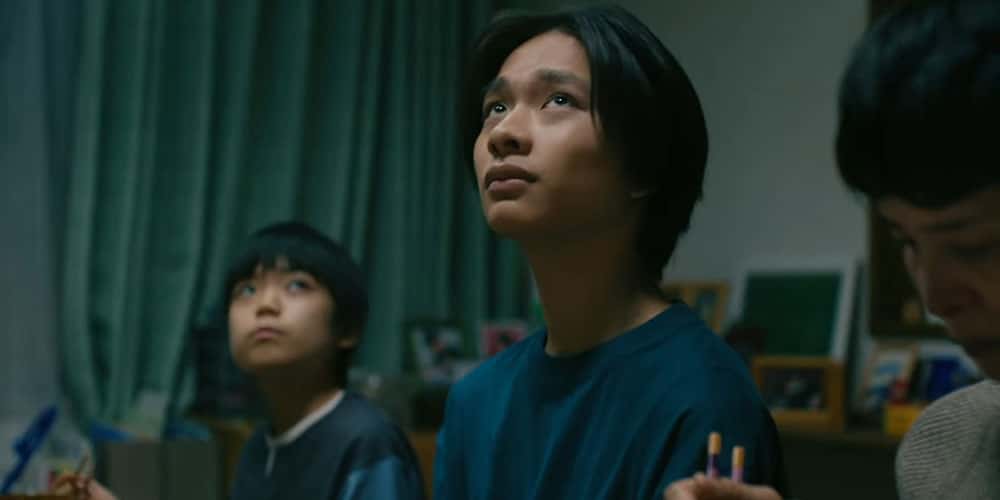
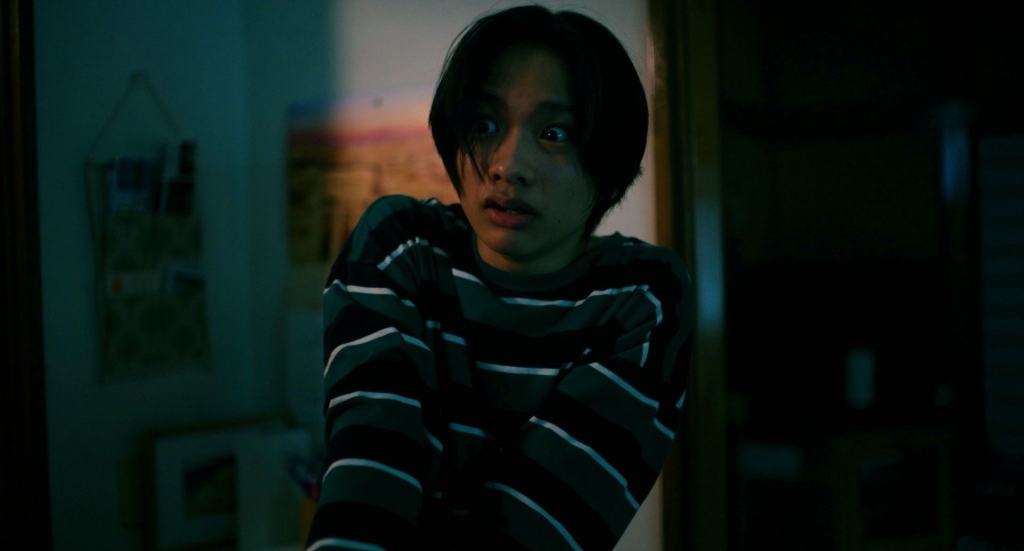
Ryôka Minamide’s performance as the central protagonist in House of Sayuri is a crucial element that grounds the film’s wild tonal shifts and eccentric narrative. His portrayal provides an emotional anchor for the audience, allowing us to navigate the increasingly surreal events with a sense of genuine investment. He manages to sell the character’s arc as he evolves from a passive victim of supernatural forces to an active participant in his own fate.
He’s an excellent foil to Negishi’s scene-stealing turn as the grandmother. Their on-screen dynamic evolves in fascinating ways throughout the film, with Minamide holding his own against Negishi’s powerhouse performance. This relationship becomes a linchpin of the narrative, and Minamide’s ability to match Negishi’s energy while maintaining his character’s distinct identity is impressive.
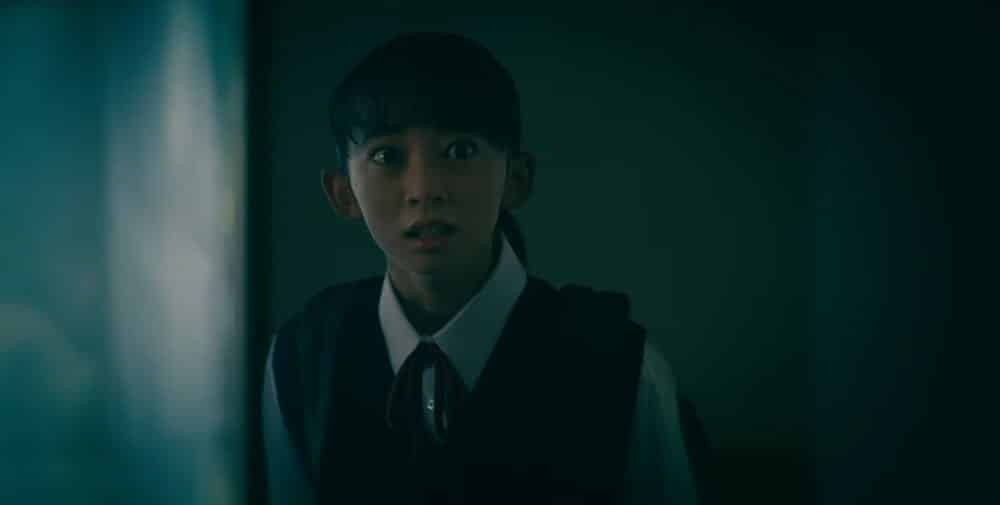
Another highlight is the chemistry between Minamide and Hana Kondo, who plays his spiritually sensitive love interest. Their relationship feels sweet and authentic, providing a heartwarming counterpoint to the film’s darker themes.
While the tonal shifts may be jarring for some, each is handled with appropriate finesse.
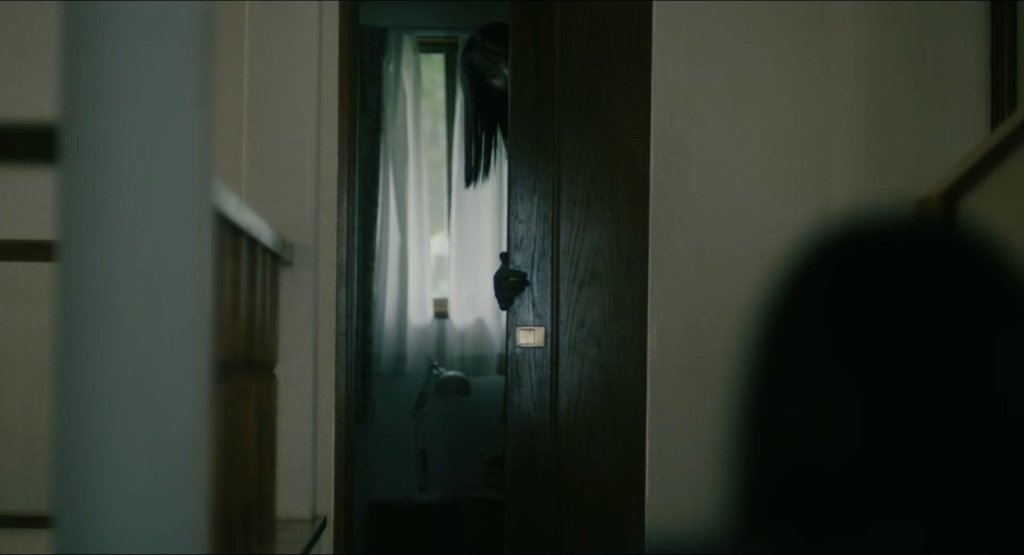
The scares are genuinely frightening, the humor whimsical and charming, and the serious moments carry the necessary gravitas.
The contrast between the loving Kamiki family and the devastatingly dysfunctional previous inhabitants adds depth to the exploration of generational trauma and the power of familial bonds.
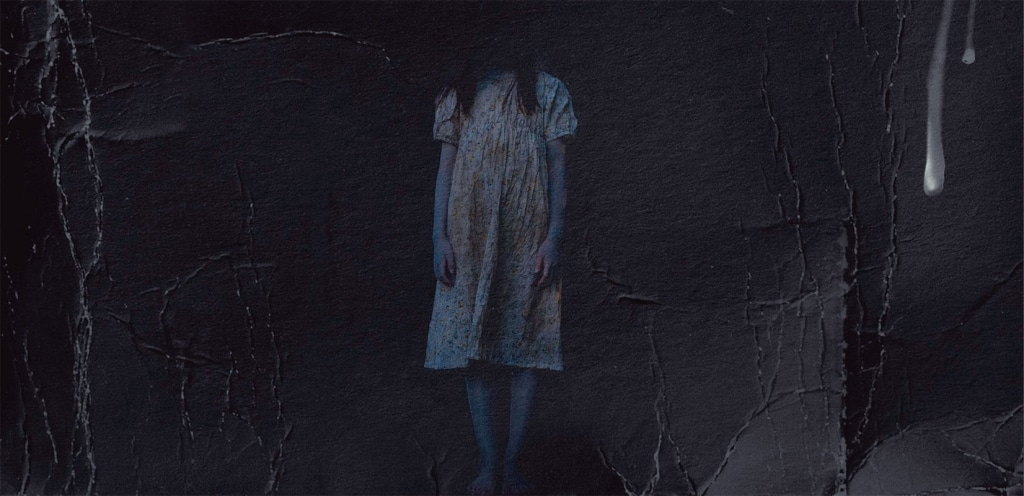
The titular ghost subverts J-horror tropes, eschewing the typical delicate, long-haired, white-dressed specter for something far more unique and tragic. Her appearance and backstory intertwine to create a haunting presence that is as heartbreaking as it is terrifying.
House of Sayuri is a rare breed of horror-comedy that doesn’t skimp on either element. It’s a blood-soaked, laughter-filled adventure that’s equally upsetting and uplifting. Though it has a decidedly dark and viciously cruel streak, its heart is pure. It’s a film that reminds us not to let tragedy or fear control us or define our destiny.
It’s a wild ride and a triumph of originality in a genre often criticized for its reliance on formula.
Overall Rating (Out of 5 Butterflies): 4











Follow Us!