

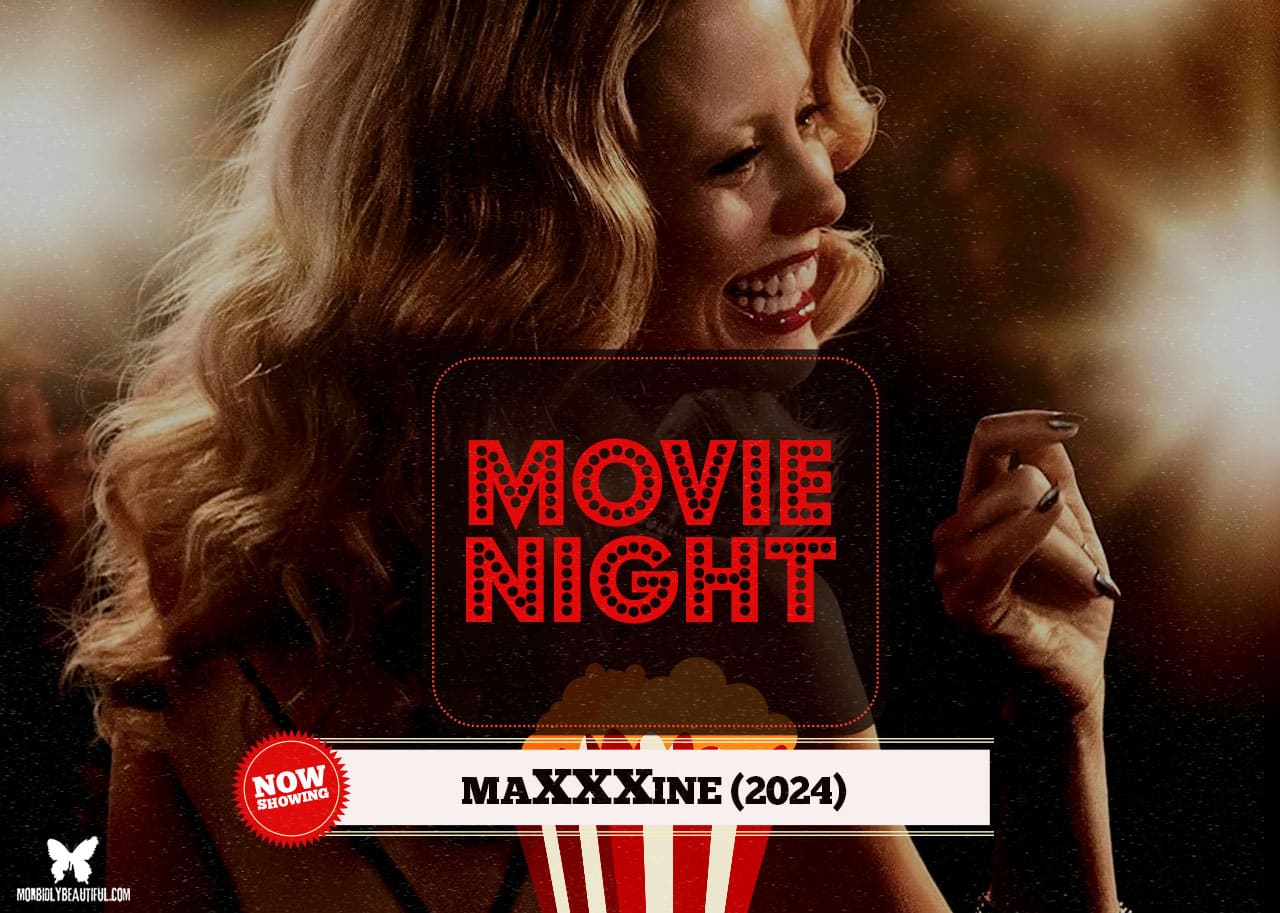
Ti West’s “X” trilogy sings as a symphony to classic horror, even if the wildly entertaining but flawed finale “MaXXXine” misses a few beats.
No time to read? Click the button below to listen to this post.
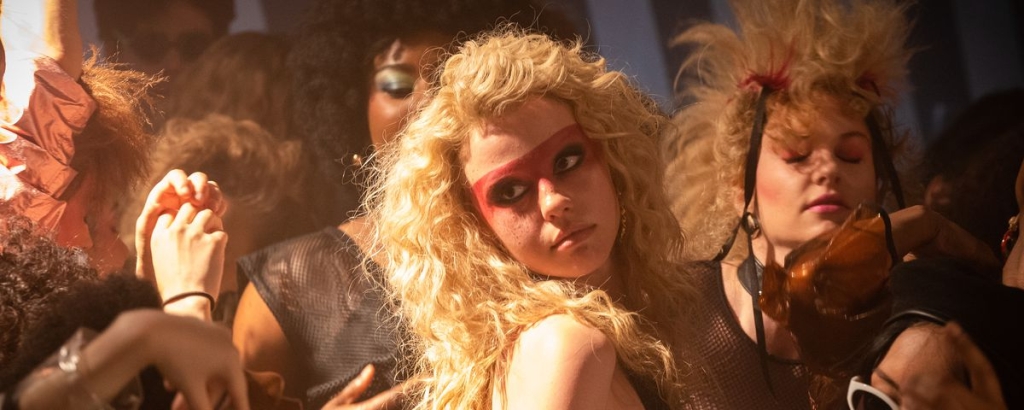
In 2022, director Ti West sprung a deceptively heady horror duo on audiences that simultaneously paid tribute to the history of exploitation cinema and slyly acted as a study of the Hollywood dream. He kicked things off with the ‘70s set X, which offered up a grotesquely kinky re-imagining of Tobe Hooper’s 1974 classic, The Texas Chain Saw Massacre, and the explosion of regional filmmaking (whether it be of the B-movie or XXX-rated variety) that was occurring miles away from the clean-cut studio backlots of Hollywood.
A few short months after X, he took us back even further to 1918 with Pearl, a psychological powerhouse that dug up the roots of hardcore cinema (the marketing for Pearl allowed access to several old stag films from the era, given that you were of age to view them) and the blossoming daydreams of immortalizing yourself in the “pictures.”
Alongside star and collaborator Mia Goth, West revealed he had one more film in the X series planned with MaXXXine, which would swan dive into the neon excesses of the 1980s. With the fan response to Pearl and X overwhelmingly positive, who wouldn’t want to see West and Goth cap off their series in the era of the Night Stalker and the “video nasty?”
MaXXXine picks up in Los Angeles in 1985, with lone X survivor Maxine Minx (played by Goth) working steadily in the adult film industry and moonlighting with a gig at a peep show.
Meanwhile, panic is setting in across the city as news of the “Night Stalker” has been making headlines and leaving law enforcement scrambling before another victim is claimed. Desperate to expand her fame, Maxine auditions for a role in The Puritan II (imagine a world where The Devonsville Terror caught on and spawned a franchise), a sequel to a straight-to-video horror film that has amassed a following, which she ultimately lands.
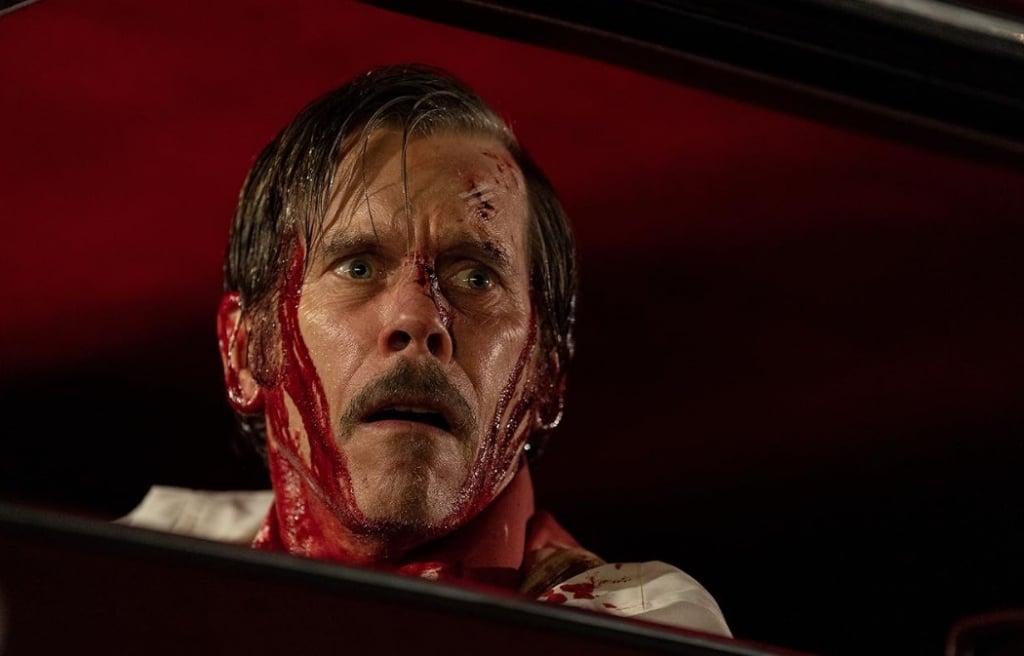
As she begins prepping for her role, her gruesome past comes calling in the form of John Labat (played by Kevin Bacon), a smooth-talking P.I. who threatens to reveal her “crimes” if she does not meet his mysterious employer.
As Maxine grapples with Labat’s threat, she seeks the help of local video store clerk Leon (Moses Sumney), her agent, Teddy Knight (Giancarlo Esposito), and the demanding Puritan II director Elizabeth Bender (Elizabeth Debicki). Things start to get even worse for Maxine as several of her female friends turn up dead and are branded with a pentagram.
Growing increasingly desperate and determined not to let her shot at fame slip through her fingers, Maxine is sent on a path that leads to a shocking confrontation, one she could never have expected.
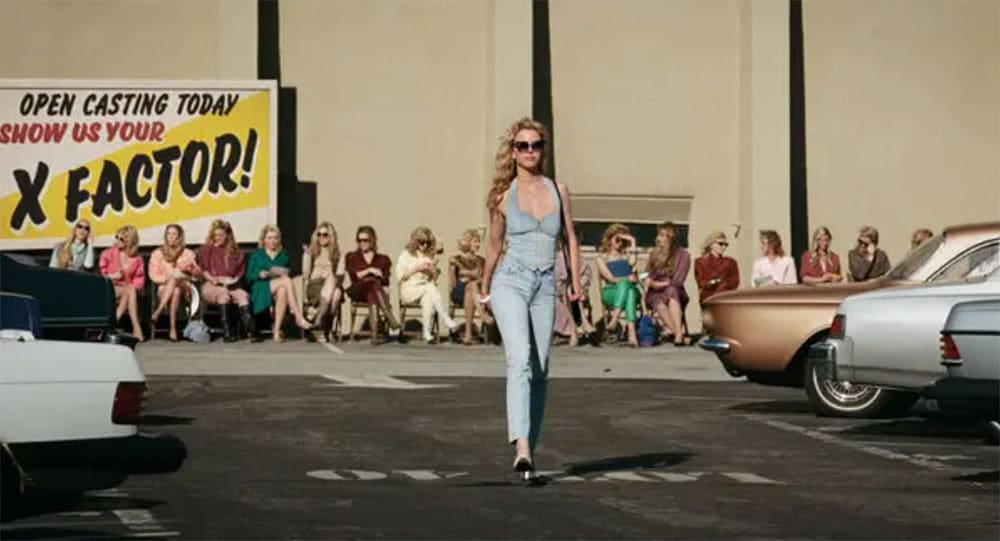
Trading the rural Texas countryside for the glistening avenues of Tinseltown, MaXXXine arrives with an overwhelmingly confident strut – literally.
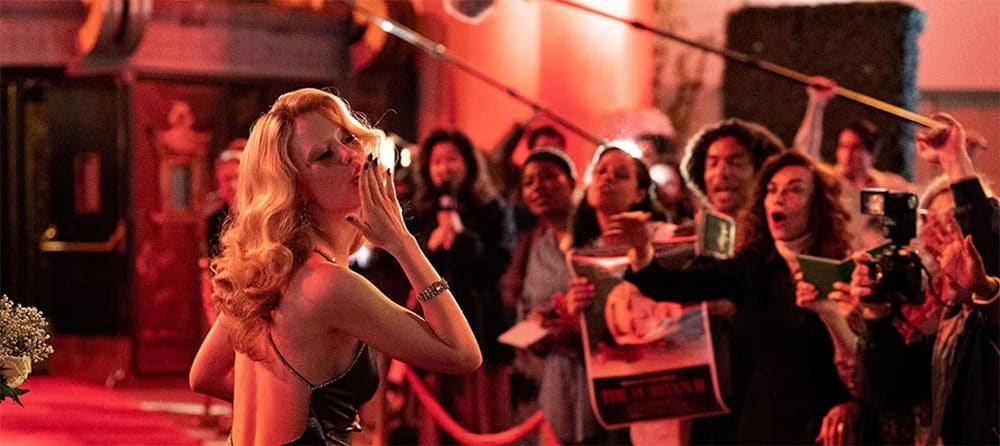
The opening shot of the movie (after a black and white intro), which mimics the opening of X (trade the decrepit barn for a studio soundstage, a clever little touch by West), is set to the sound of Maxine’s stomping high heels echoing off the wall of the sprawling space, reverberating as her silhouette moves into focus like a model owning the runway. And there’s Goth, brandishing the same awe-inspiring radiance she did through her closing monologue in Pearl, back to remind us what real acting looks like – literally and figuratively.
It’s a hell of an opening sequence, a little funny and a little terrifying, before transitioning into a hilarious taunt from our gal set to a riff from ZZ Top and grainy stock footage of Ronald Reagan, news reports of Richard Ramirez’s reign of terror and the growing concern of “satanic panic,” which was America’s favorite top-of-the-hour discussion during the 1980s.
It’s an adrenalized kickoff that finds MaXXXine’s tank full of creative fuel, promising to pay tribute to the VHS boom and slashers who immortalized themselves inside the black plastic casings that always reminded us to, with a smile, “Be Kind. Rewind.”
As West beckons us into the bowels of Hollywoodland and all its cut-throat glory, he careens out of the local video store and straight into the vast studio backlots, arriving right at the welcome mat of our pal, the OG slasher, Norman Bates. Along the way, he name-drops Marilyn Burns, who, much like Maxine, jumped from adult film into horror with The Texas Chain Saw Massacre.
He also gives us multiple visual shout-outs to Italy’s own “giallo” cinema (those glorious black leather gloves and that fedora frame that lurks portentously in the shadows), even slipping in a clever little ode to the final shots of the notorious 1982 slasher Pieces with a ball-busting gag sure to make the male theatergoers shriek.
But after a while, MaXXXine begins resisting the magnetism of the slasher craze and opts for crime thriller territory.
This would be fine if it didn’t feel like West’s own enthusiasm wasn’t beginning to drain out of the project altogether. Even Goth, who is never anything less than stellar, starts to look a bit fatigued as she chats with a fellow Puritan II star near the film’s back half.
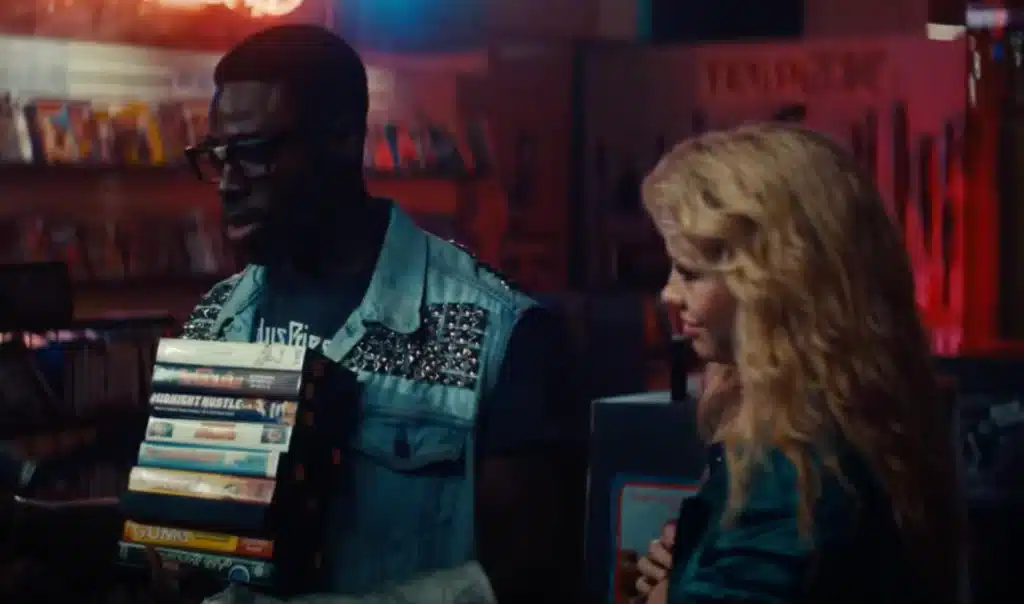
Luckily, we meet a few bright spots along the way, most notably Sumney, who practically defines charisma as video store clerk Leon, a skateboarding punk who pours over hours of horror films and issues of Fangoria. The always-welcome Giancarlo adds a bit of flair as Maxine’s cult cinema agent, who will do whatever it takes to ensure his clients remain in the game. Meanwhile, Bacon is a hoot behind a Louisiana drawl, a seedy gumshoe hot on the literal heels of Maxine.
While some of the mystery may trickle away during the film’s second half, the atmosphere never seems parched.
With Tyler Bates stocking the soundtrack with a hearty supply of sultry saxophone riffs and synth sprinkles, which douse the glowing streets with a slick layer of seamy dew, MaXXXine maintains its sleaze factor. This helps cover up the presence of two less-than-captivating police detectives (played by Michelle Monaghan and Bobby Cannavale) who are trying to make a connection between the bevy of pentagram-clad corpses and the wayward bloodbath of Richard Ramirez.
The finale does raise the crazy decibel, and the startling confrontation arrives with smoking gun barrels and fire-and-brimstone paranoia (which acts as something of a commentary all its own about perceived “wokeness” and its messages to the impressionable youth).
The less said, the better, but rest assured that it will send you sideways, for better or worse. I think I’m coming up on the side of better with all its gonzo mayhem, as it seemed appropriate for a motion picture saluting an era that didn’t flinch at the idea of excess.
As the camera scales its way up to the iconic “Hollywood” sign in the closing shot, West snaps himself back into focus by conveying his primary thesis: the path to celebrity is forged through an uphill battle slick with blood, sweat, tears, and sacrifice.
It’s a final gasp of an idea that rumbles as loud as a looming helicopter with its searchlight standing in for a spotlight.
MaXXXine closes the curtain of West’s trilogy on a powerful note banged out with gusto, even if the ones tickled out for the past twenty minutes may have seemed to bungle the rhythm.
Overall Rating (Out of 5 Butterflies): 3








Follow Us!