1980s horror films often explored the monstrous other—metaphors for queer identity that both subverted and reinforced societal prejudices.
No time to read? Click the button below to listen to this post.
I was inspired to write this article after listening to the Creatures of the Night podcast, in which the Boulet Brothers provide insight and commentary on each episode of Dragula. In the last episode (episode 8 of season 666), the fabulous floor show paid tribute to the 1990 black comedy horror classic directed by Frank Henenlotter, Frankenhooker, asking contestants to imagine their idea of a patchwork prostitute. On their post-show podcast, the Boulet Brothers discussed their fraught relationship with the film, highlighting how Frankenhooker is simultaneously very queer but also very problematic for its transphobic themes.
The 1980s (into the early 1990s) were a golden era for horror cinema, a time when latex, practical effects, and buckets of blood ruled the screen. But beneath the gore and monstrous visages, many of these films grappled with deeper themes of otherness—allegories for societal fears, prejudices, and power structures. In particular, monstrosity often became a metaphor for queerness, a reflection of the era’s simultaneous fascination with and rejection of LGBTQ+ identities.
The result was a collection of films that were queer, transgressive, and empowering, yet deeply problematic, mirroring the cultural tensions of the Reagan era and the shadow of the AIDS crisis.
This dichotomy—of films that resonate as queer revolts against bigotry but also emphasize and perpetuate discrimination—makes them endlessly fascinating cultural artifacts. Here’s a look at some of the most notable films from the 1980s that used monstrosity as a metaphor for otherness, showcasing their empowering yet problematic legacy.
1. A Nightmare on Elm Street 2: Freddy’s Revenge (1985)
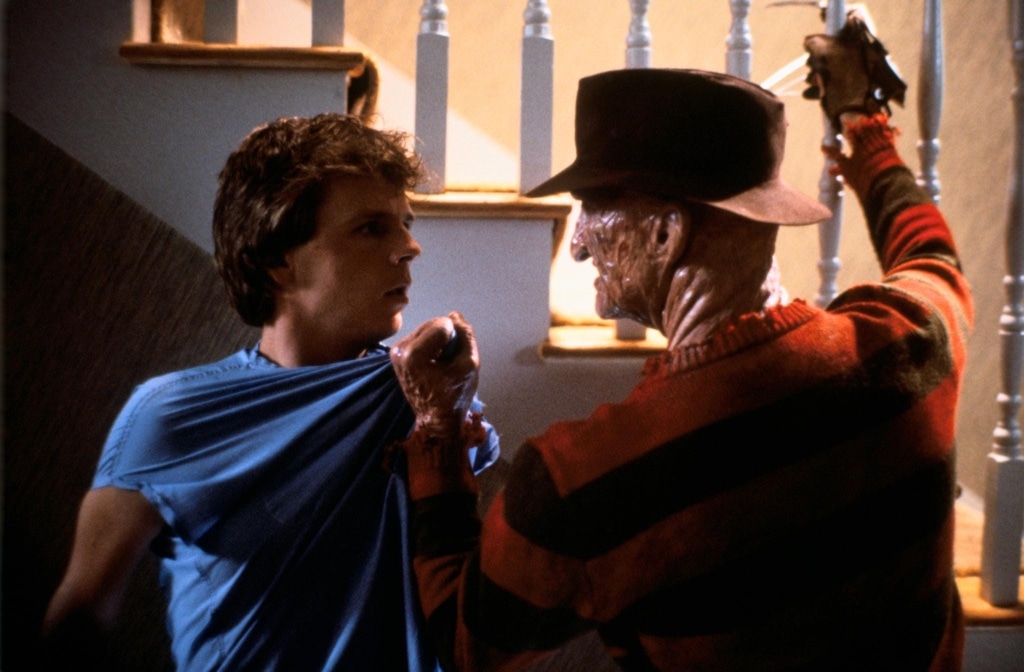
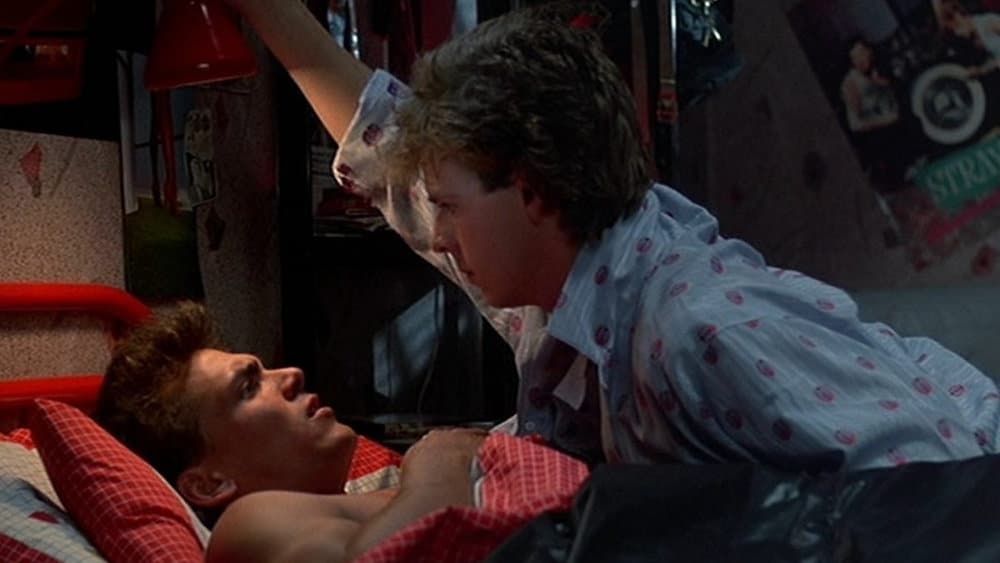
The sequel to Wes Craven’s original slasher introduces Jesse Walsh, a teenager who becomes the focus of Freddy Krueger’s attempts to escape the dream world and wreak havoc in the real one. Unlike its predecessor, Freddy’s Revenge places psychological horror front and center, emphasizing Jesse’s internal battle with Freddy as he takes over his body.
The Queer: The film is frequently cited as one of the most overtly queer horror movies, with Jesse’s struggle to “contain” Freddy widely interpreted as a metaphor for repressed homosexuality. Scenes like the locker room encounter with his domineering gym teacher and Jesse’s close relationship with his male friend, Grady, highlight an undercurrent of homoeroticism.
The Problematic: Despite its queer resonance, Freddy’s Revenge aligns Jesse’s burgeoning identity with danger, framing his queerness as something monstrous to be feared and suppressed. Freddy becomes a symbol of internalized homophobia, while Jesse’s interactions with women are notably strained, reinforcing the trope of queer men as inadequate or unnatural. Released during the height of the AIDS epidemic, the film reflects the era’s cultural fears of queer identity as infectious or destructive. The behind-the-scenes drama is more horrific than what appears onscreen, and I encourage you to watch
The behind-the-scenes drama of Freddy’s Revenge—marked by homophobic industry attitudes and the struggles of lead actor Mark Patton, a gay man navigating a deeply hostile Hollywood—is more harrowing than the film itself, and viewers are encouraged to watch the documentary Scream, Queen! My Nightmare on Elm Street for a profound exploration of the socio-political climate that shaped the film and the dangers faced by queer individuals during the 1980s.
2. The Hunger (1983)
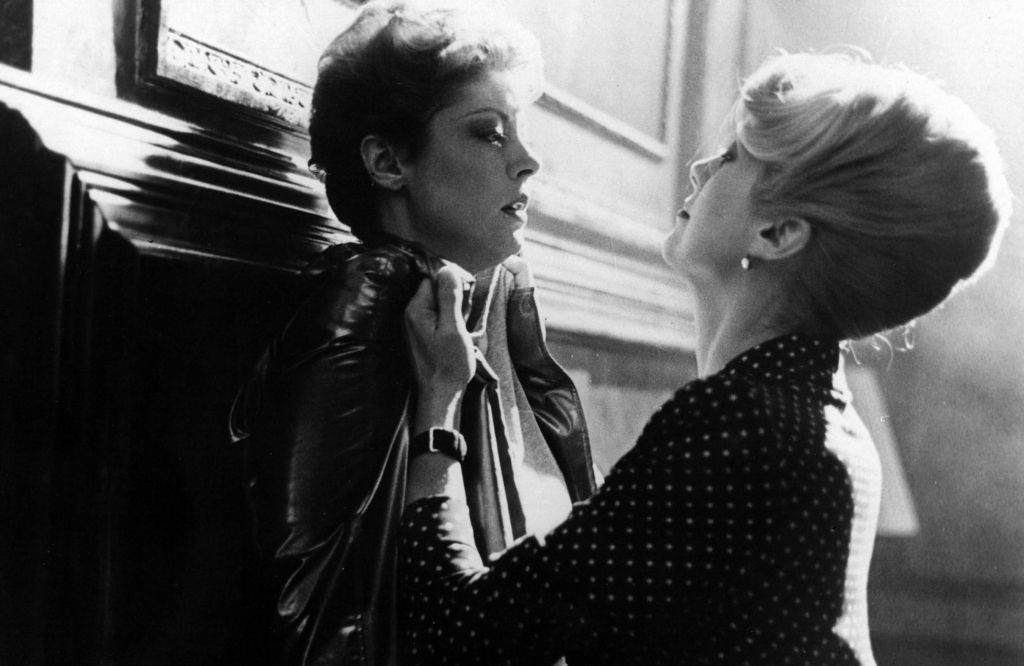
A moody vampire tale directed by Tony Scott, The Hunger follows Miriam, an ageless vampire who seduces Sarah, a mortal scientist, into her world of immortality. Featuring a star-studded cast (Catherine Deneuve, David Bowie, Susan Sarandon), the film is steeped in themes of desire, mortality, and the cost of eternal life.
The Queer: Miriam and Sarah’s erotic relationship is central to the film’s narrative, unapologetically foregrounding queer desire in a way that was rare for the time. Their dynamic oozes sophistication and sensuality, offering a queer lens through which to view immortality as liberation from societal constraints.
The Problematic: Miriam’s predatory nature plays into harmful stereotypes about queer relationships, especially bisexuality, as inherently duplicitous or corrupting. Her lovers, seduced and abandoned, become literal victims of her appetite. This framing reinforces the trope of queer desire as dangerous, aligning queerness with moral decay while punishing Miriam’s transgressions with isolation.
3. The Fly (1986)
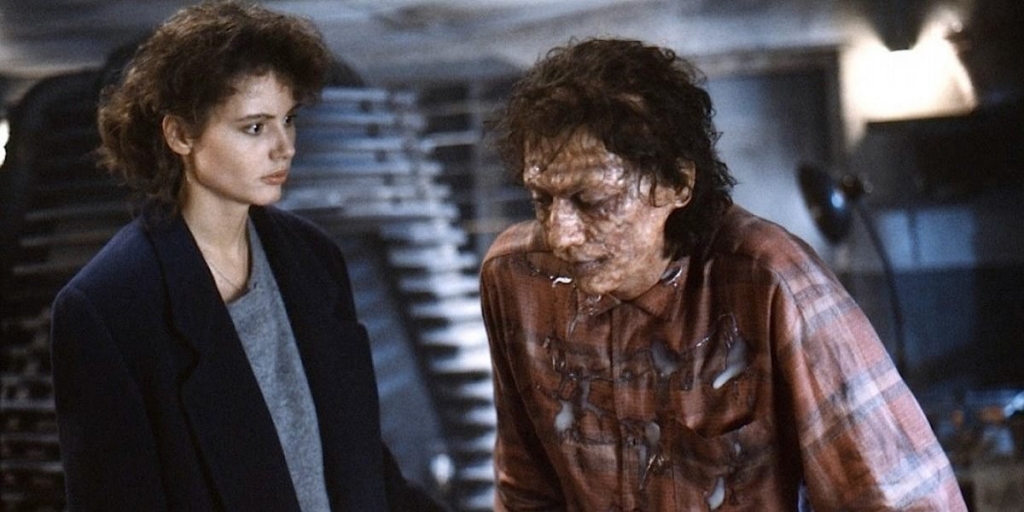
David Cronenberg’s masterpiece of body horror follows scientist Seth Brundle as he inadvertently merges his DNA with a fly during an experiment gone wrong. His transformation into a grotesque hybrid becomes a horrifying metaphor for physical and psychological decay.
The Queer: Seth’s slow metamorphosis can be read as an allegory for societal fears of contagion and marginalization, paralleling the stigma surrounding the HIV/AIDS crisis. His physical changes, rejection by others, and eventual self-loathing echo the experiences of those ostracized for their illnesses or identities.
The Problematic: While the film elicits empathy for Seth, it also leans heavily into dehumanization. His physical deterioration is presented as both horrifying and pitiable, reinforcing cultural fears of those perceived as “contaminated.” This framing risks perpetuating the idea that queerness, or any form of otherness, is inherently monstrous and tragic.
4. Sleepaway Camp (1983)
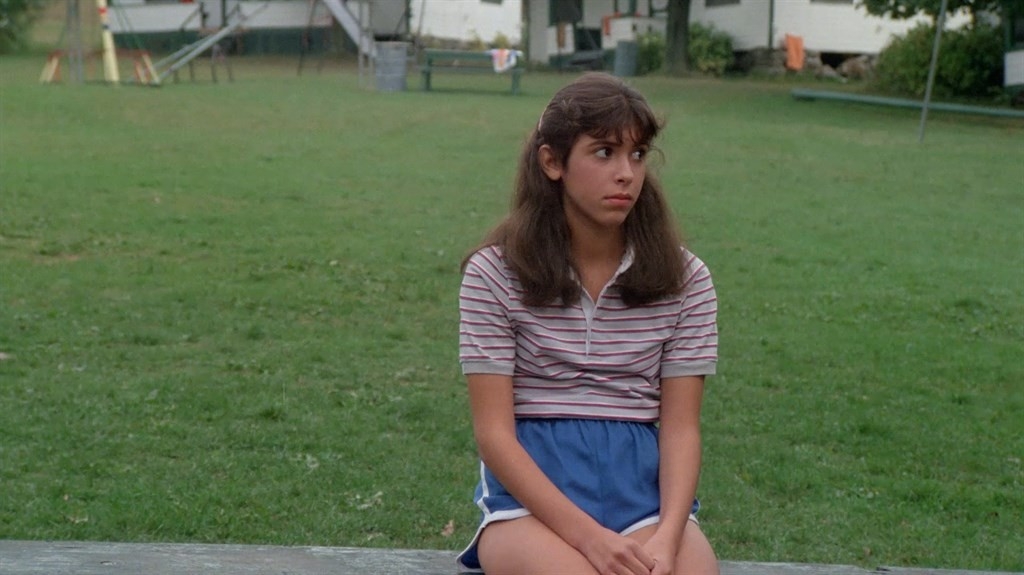
This slasher film follows shy teenager Angela at a summer camp where a series of grisly murders occur. The shocking twist (SPOILER!) reveals that Angela is actually Peter, a boy forced to live as a girl after a traumatic childhood event.
The Queer: Sleepaway Camp tackles themes of gender identity and societal expectations, making it a fascinating—if deeply flawed—artifact of its time. Angela’s silent struggle with her identity reflects the pressures and traumas of nonconformity in a rigidly binary world.
The Problematic: The film weaponizes Angela’s trans identity as the ultimate horror, framing her as both deceptive and monstrous. This harmful portrayal reinforces transphobic fears of gender nonconformity, reducing Angela to a shocking twist rather than a fully realized character. Its legacy is a double-edged sword, sparking both critical discussion and ongoing harm.
5. Fright Night (1985)
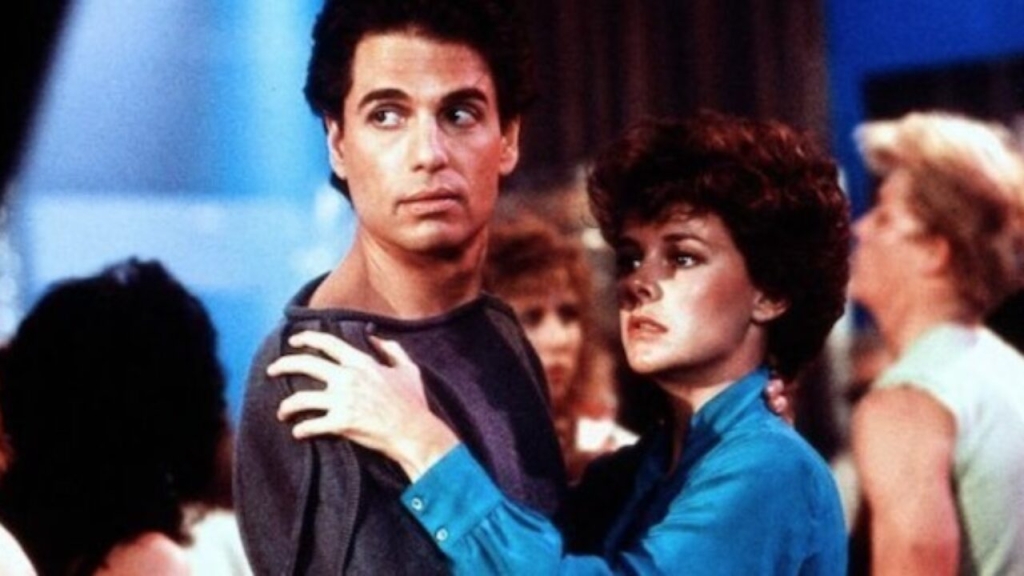
In this horror-comedy, teenager Charley Brewster discovers his new neighbor, Jerry Dandrige, is a vampire. With the help of a washed-up TV host, Charley battles to stop Jerry before he consumes the neighborhood.
The Queer: Jerry Dandrige oozes homoerotic charm, particularly in his interactions with Charley and his live-in companion, Billy. Their domestic partnership and Jerry’s seductive power offer a queer-coded take on the vampire mythos, emphasizing themes of forbidden desire.
The Problematic: Like many queer-coded villains, Jerry’s queerness is tied to his predatory nature. The film ultimately frames his otherness as a threat to suburban stability, aligning queer desire with danger and corruption that must be vanquished to restore heteronormativity.
6. Hellraiser (1987)
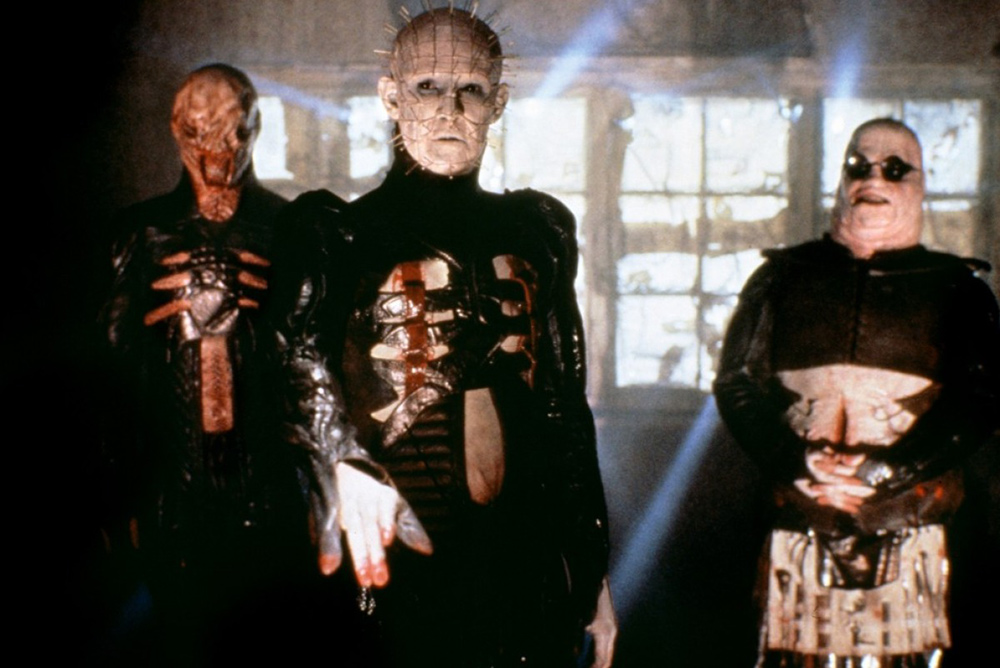
Based on Clive Barker’s novella, this darkly erotic horror centers on a puzzle box that summons the Cenobites, beings who blur the lines between pleasure and pain. The film explores themes of desire, power, and the consequences of forbidden pursuits.
The Queer: Hellraiser embraces a queer aesthetic with its S&M-inspired visuals and the way it focuses on rejecting societal norms around pleasure and morality. The Cenobites’ androgynous designs and non-binary presentation resonate with queer subversions of traditional binaries.
The Problematic: Despite its celebration of transgressive desire, the film’s depiction of pleasure-seekers as doomed or grotesque reinforces the notion that queer or nonconformist identities are dangerous and self-destructive. It reflects the era’s association of sexual freedom with punishment, paralleling societal fears during the AIDS epidemic.
7. The Thing (1982)
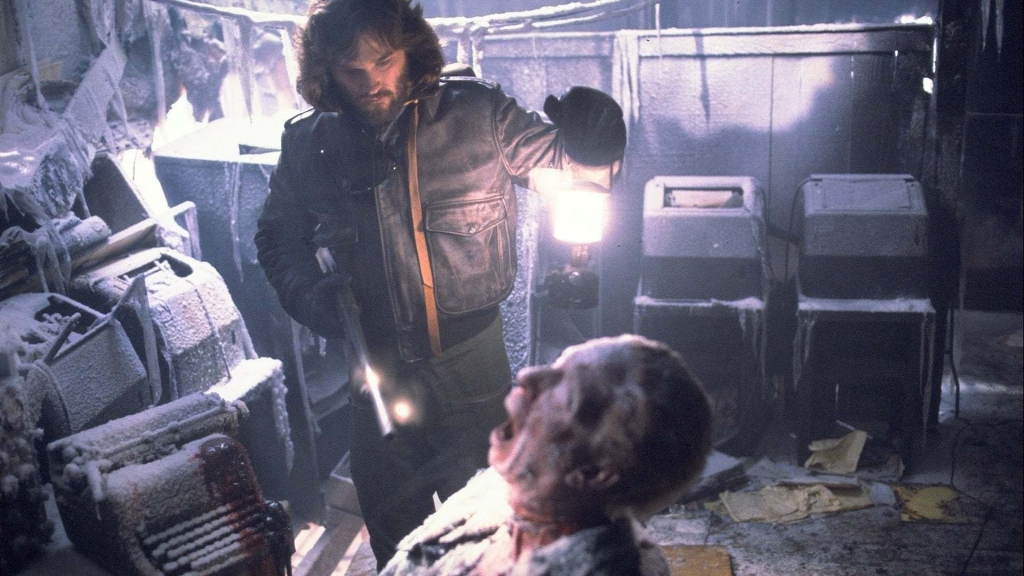
John Carpenter’s masterpiece of paranoia and body horror takes place in a remote Antarctic research station where a shape-shifting alien infiltrates a team of men. The creature’s ability to mimic its hosts creates an atmosphere of mistrust and fear, turning allies into potential enemies. With groundbreaking practical effects and a chilling sense of isolation, The Thing is a landmark in horror cinema.
The Queer: The alien’s ability to assimilate and “pass” as human offers a potent metaphor for societal fears of hidden identities, particularly during the AIDS crisis. Its infiltration mirrors cultural anxieties of the time about queerness as an invisible, pervasive threat to heteronormative spaces. The all-male setting heightens the tension, with undercurrents of suppressed intimacy and hyper-masculine posturing amplifying the film’s allegorical resonance.
The Problematic: While The Thing can be read as a critique of paranoia and scapegoating, it also perpetuates the harmful trope of queerness as a lurking, insidious danger. The alien’s transformation into grotesque forms upon discovery underscores the idea that the “hidden other” is something monstrous to be purged. This reflects and reinforces the cultural stigma of the era, where queerness and illness were conflated with corruption and death, further isolating LGBTQ+ individuals already marginalized by society.
8. Cat People (1982)
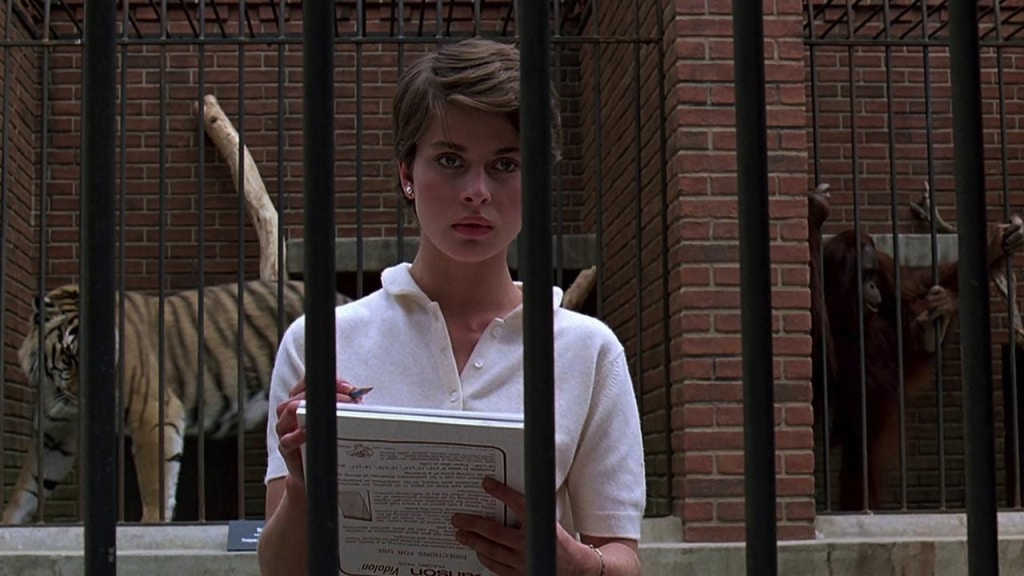
Paul Schrader’s erotic horror remake follows Irena, a young woman who discovers her family lineage of shapeshifting panther-like creatures. As she grapples with her desires and fears of transformation, she becomes caught between her humanity and animalistic instincts, a metaphor for repressed sexuality.
The Queer: Irena’s struggle with her dual nature serves as a compelling metaphor for queer identity. Her fear of intimacy, tied to her potential transformation, mirrors the societal pressures faced by those forced to suppress or conceal their desires. The film’s dreamlike aesthetic and exploration of forbidden longings resonate with queer audiences, offering a portrait of desire as both thrilling and terrifying.
The Problematic: Despite its lush visuals and subversive potential, Cat People leans heavily into the trope of queerness as dangerous and destructive. Irena’s transformation into a predator aligns her sexuality with violence, echoing stereotypes of queer desire as uncontrollable and predatory. The film ultimately punishes her attempts to embrace her identity, framing non-normative sexuality as inherently tragic and incompatible with human connection.
9. Society (1989)
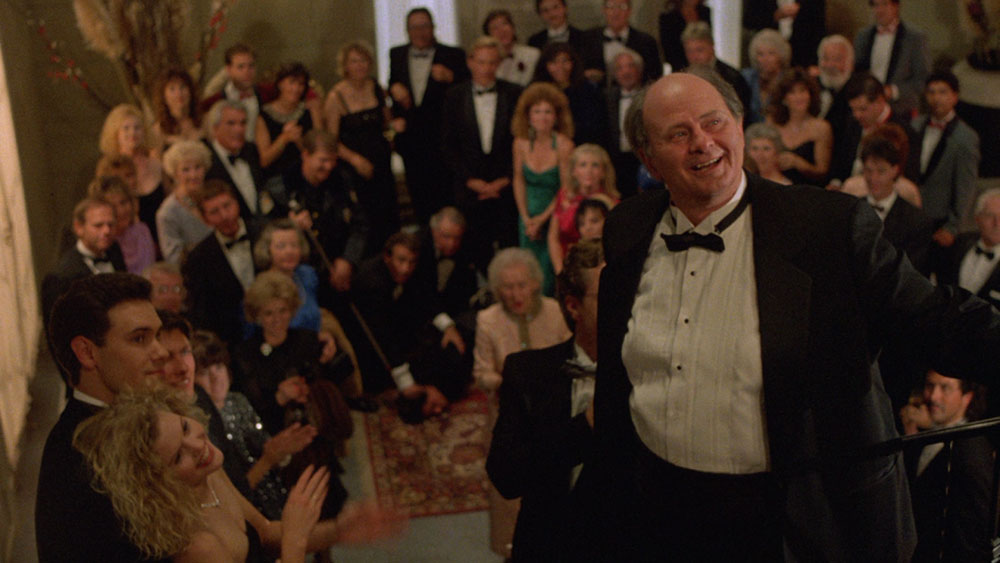
Directed by Brian Yuzna, Society is a satirical body horror film that follows teenager Bill Whitney, who begins to suspect that his wealthy family and their social circle are part of a bizarre and grotesque elite who engage in orgiastic rituals. As Bill uncovers the horrific truth, he realizes that his family members are literal “shapeshifters,” using their wealth and power to exploit the lower class.
The Queer: Society plays with class dynamics and identity, drawing on the notion of “belonging” as a form of societal assimilation. The film’s critique of privilege, corruption, and bodily transformation can be interpreted through a queer lens, particularly in its exploration of conformity and the monstrous consequences of hiding one’s true self. The grotesque transformation scenes—where characters meld together into a fleshy, interconnected mass—can be seen as a metaphor for the repressive, homogenizing forces of society, mirroring the experience of queer individuals struggling to fit into a heteronormative world.
The Problematic: While Society offers a potent critique of the elite, it also plays into transphobic and homophobic stereotypes, using the monstrous “shapeshifting” figures as a means of emphasizing the horrors of excess, deviance, and bodily manipulation. The film’s depiction of these transformations as both grotesque and sexualized often aligns queerness with excess and violence, reinforcing ideas that non-normative identities are aberrations to be feared or eliminated. Despite its subversive edge, Society ultimately frames the non-conformist “other” as a monstrous body, further complicating its critique of class and identity.
10. Frankenhooker (1990)
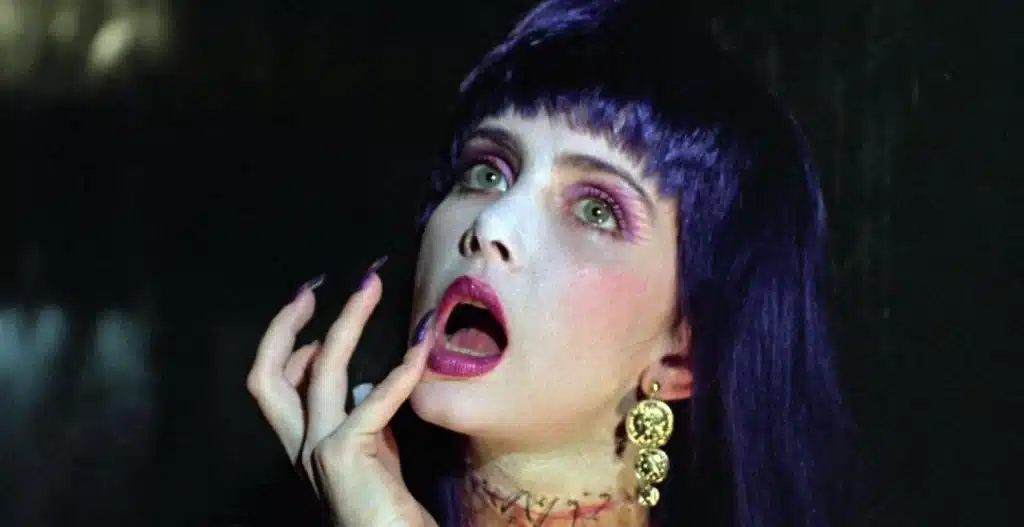
Though technically just outside the 1980s, Frank Henenlotter’s Frankenhooker deserves inclusion for its garish, campy exploration of gender, bodies, and monstrosity. The film follows Jeffrey, a grief-stricken fiancé, as he reanimates his girlfriend, Elizabeth, using parts from sex workers he murders. The resulting “Frankenhooker” is a patchwork woman whose identity is literally pieced together by male control and societal expectations.
The Queer: Frankenhooker gleefully disrupts traditional ideas about bodies and identity. Elizabeth’s reanimated form is a chaotic explosion of excess—her stitched-together body and unfiltered desires challenge rigid definitions of femininity and the female form. Her monstrous rebirth can be interpreted as a critique of societal attempts to control and define women’s bodies, with camp sensibilities that have drawn queer audiences to its over-the-top absurdity.
The Problematic: However, Frankenhooker is steeped in transphobic undertones. Elizabeth’s body is presented as unnatural and grotesque, a source of both comedy and horror. Her “constructed” femininity plays into harmful stereotypes about trans bodies as deceptive or artificial. The film reduces her to an object of male desire and control, reinforcing the idea that altered or non-normative bodies—especially feminine ones—are inherently monstrous or invalid.
Furthermore, the film’s treatment of sex workers as disposable parts highlights a broader cultural devaluation of marginalized people, echoing fears and prejudices against those who defy societal norms, whether through gender, sexuality, or profession. Elizabeth’s final act of retribution, where she reverses the dynamic by rebuilding Jeffrey into a composite male monster, offers a sliver of empowerment but doesn’t fully escape the film’s exploitative gaze.
CONCLUSION
The horror films of the 1980s remain powerful cultural artifacts, reflecting societal anxieties while simultaneously providing a space for transgressive exploration of identity and desire. Their queer subtexts have allowed marginalized audiences to reclaim and reinterpret these stories, even as their problematic elements demand critical engagement. Horror, after all, thrives on contradictions—offering both empowerment and discomfort, rebellion and reflection. By acknowledging this complexity, we can better understand how these films continue to haunt and inspire us.







Follow Us!