Tiff Romania 2025: Bold Visions and Beautiful Nightmares


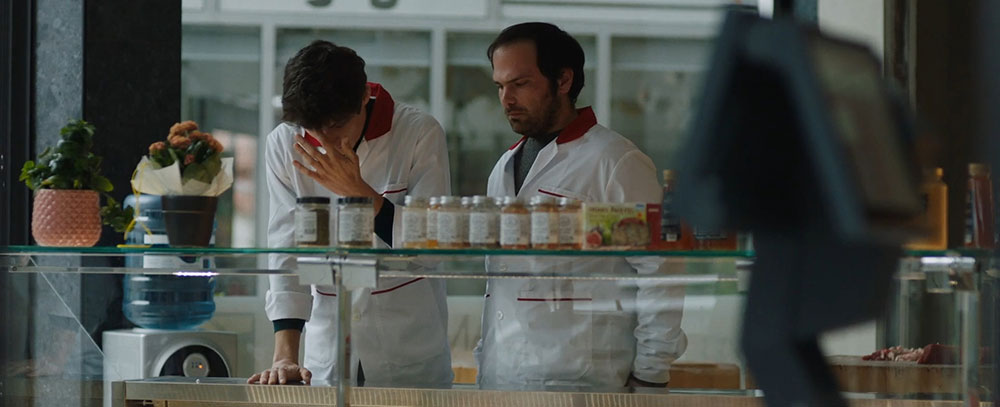

A taut and atmospheric entry into the contemporary European crime-thriller genre, Dimitris Nakos’s Meat (OT: Kreas) is steeped in the traditions of Greek tragedy.
In dark, shadowy scenes, the Greek director-writer weaves a dark tapestry of murder, family loyalty, and moral collapse, all set within the hieratic confines of a provincial Greece. While not overtly supernatural, its pessimistic plot evokes a sense of primordial dread, drawing its oppressive atmosphere from human frailty rather than otherworldly entities.
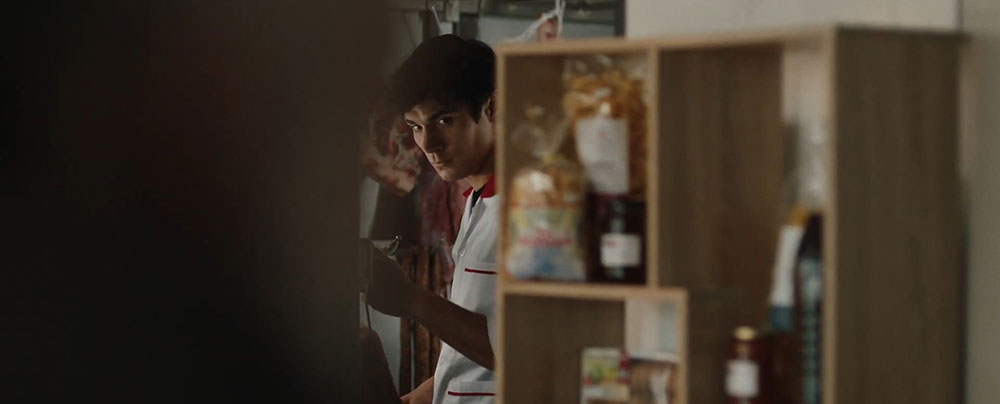
At its core is Takis (Akyllas Karazisis), a self-made patriarch preparing to inaugurate a new butcher’s shop. His ambitions and control unravel violently when his son Pavlos (Pavlos Iordanopoulos) impulsively murders a neighbor over a long-standing land feud. The sole witness to this crime is Christos (Kostas Nikouli), an adopted son figure of Albanian descent who is pushed into the role of an unwilling accomplice.
As father and son attempt to orchestrate a cover-up and shift the blame, their ensuing descent fuels the film’s crushing tension.
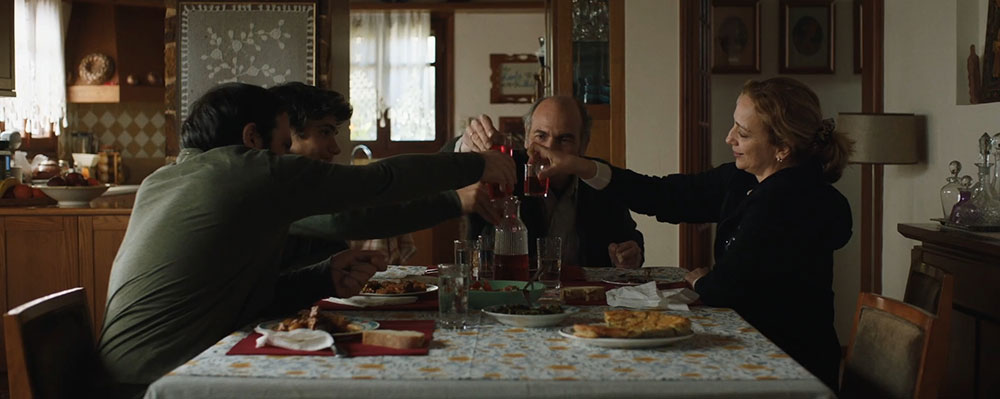
The clerical slaughtering of animals serves both as a parallel to and a premonition of the violence against humans.
Christos’ adoptive family has literally made bloodshed their business. The many-faceted title reflects the reduction of living beings to a mere thing: either a product with coercive value or waste. On the other hand, the blood evokes the family relations, biological and communal, that draw the younger generations into the fights of their elders.
Nakos eschews gore for a psychological horror that simmers in the stale air of rural isolation and patriarchal authority.
Fear resides not in what is seen, but in what festers beneath familial façades.
This stripped-down approach, while atmospherically dense, also risks narrative opacity. The film’s moral scaffolding creaks under its own weight, occasionally more suggestive than illuminating. The handheld cinematography by Giorgos Valsamis, though intended to immerse, often jars. Its proximity and perpetual tremor at times overwhelm, but also push viewers close to the violence.
What should evoke unease too often devolves into distraction, blurring the fine line between formal daring and aesthetic affectation.
Oedipal irony, familial betrayal, and inherited duty echo throughout the script. Christos’s shifting status from family-adopted son to scapegoat underscores this tragic undercurrent. While the plot leans heavily on Greek tragic motifs, it never fully transcends their schematic outlines.
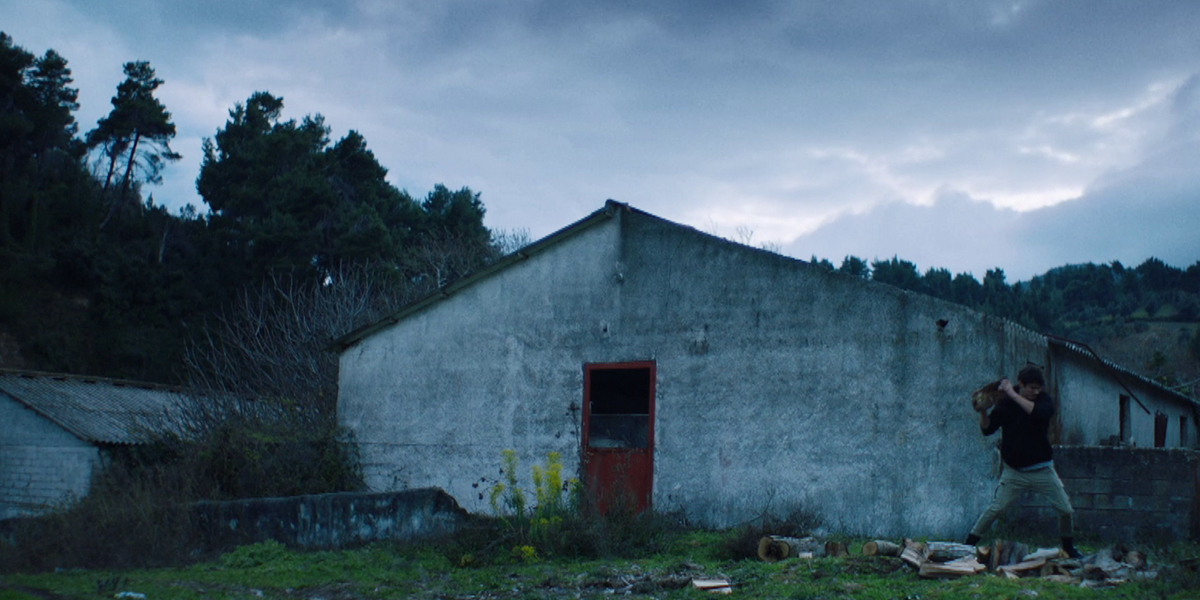
Familial ambition rips apart communal bonds and devours moral fiber.
Karazisis delivers a commanding turn as Takis, embodying the potent mix of pride, guilt, and stubborn desperation. Nikouli’s Christos and Iordanopoulos’s Pavlos craft complex portrayals, their frailties etched in every furtive glance and trembling utterance.
Saturated in muddy grays and rural decay, the landscape assumes a claustrophobic aura, yet it retains a vast emptiness that reflects the characters’ moral void. Slow-burn pacing, relentless moral quandaries, and bleak tone create a compelling hybrid of rural horror, classical references, and social critique.
Character-driven suspense yields a pessimistic thriller that reveals its horrors within misguided notions of family honor and the fractures that emerge when loyalty turns lethal. It is a grim, bloodless dissection of loyalty and lineage, evoking the all-too-relatable terror of social and familial confines.
Despite some flaws, it is a promising debut feature that effectively conveys emotional weight and moral ambiguity within a stifling, chilly canvas.

She’s a lover, he’s a fighter. Together, they’re CHEER AND LOATHING. Tune in to hear your hosts, Stephanie (Cheer) and Casey (Loathing), clash over the films they love — and the ones they love to hate.
In this holiday extravaganza episode of Guilty Pleasures, join hosts Stephanie, Kelly, and our newest addition, Jonathan (Jack was tied up in tinsel and couldn't join us), as they unwrap the bizarre and unhinged world of holiday cinema. They dive into the depths of Elves, a film that's as chaotic as it is entertaining. It's a sleigh full of questionable decisions, diabolical dialogue, absurd plot twists, wildly offensive antics, and unhinged holiday mischief.
And that's not all! In the second half of the podcast, join your festive cinephile friends for a look at four more ”nutty as a fruitcake” holiday treats: A New York Christmas Wedding, Elf Bowling, A Medea Christmas, and Jack Frost. Plus, we each offer a bonus Christmas flick guaranteed to make you say, ”Ho, Ho, HO-LY Hell!”
Expect laughter, disbelief, and a spirited debate about what truly makes a movie a guilty pleasure. Don't miss this festive journey through the weirdest corners of holiday films!






Follow Us!