Tiff Romania 2025: Bold Visions and Beautiful Nightmares


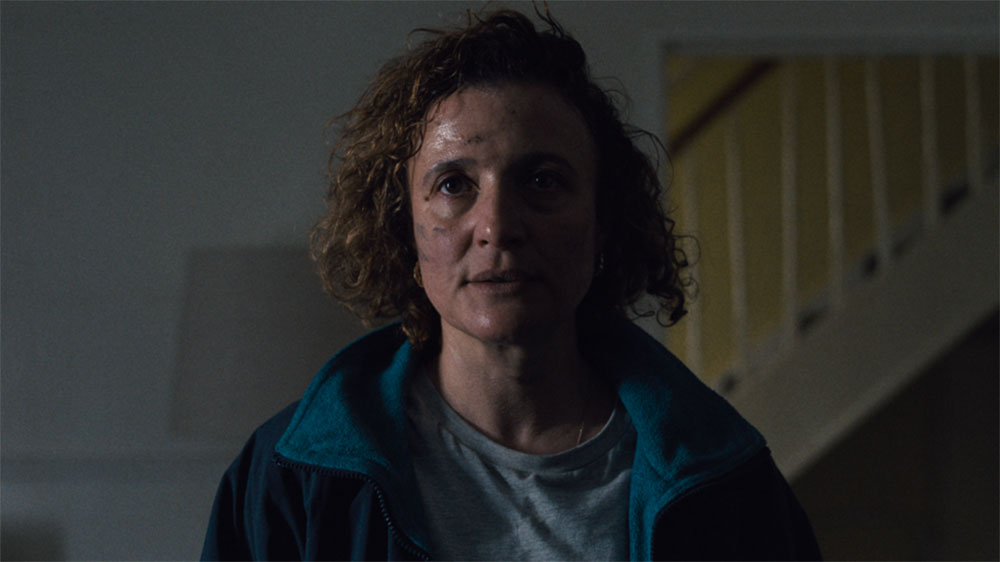

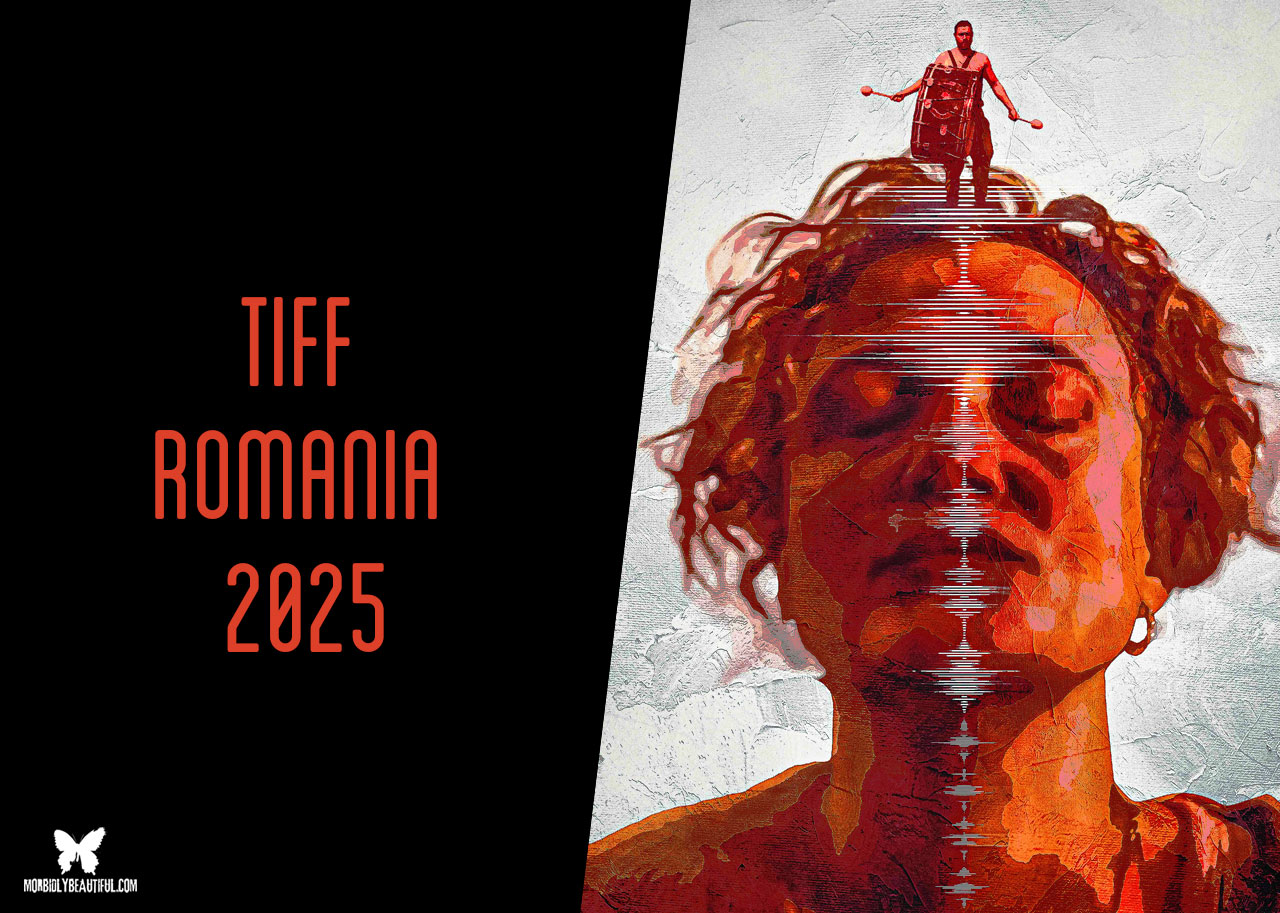
Maybe the only true way to review Jed Hart’s darkly funny feature debut, running at TIFF Romania’s Midnight Movie section, is in a state of total sleep deprivation. The very state in which his quiet and quiet-loving main character arrives.
Geriatric nurse Nicky (a strong turn by Lyndsey Marshal) first loses sleep and then almost her mind. In the first scene, she’s on a lonely road in the middle of the woods, ready to bury a bound victim alive. A lengthy flashback reveals the unassuming protagonist’s gradual descent into murderous madness, caused by an all-too-real and relatable chain of events.
A single mother of an adult son away at college, Nicky lives an unspectacular but reasonably content middle-class existence. She does home yoga, adores her cat, listens to classical music, and has a vague romance with equally square Kevin (Barry Ward). But that all changes when terror arrives in the British suburbs with her new neighbor, Deano (Aston McAuley).
As Deano’s blasting housewarming party keeps Nicky from falling asleep, she politely asks him to turn it down. His instant response is to invite her in. If you can’t get your sensitive neighbor to bear the noise, make them one of the party people.
But Nicky doesn’t want to get plastered with a smarmy semi-stranger and his crowd.
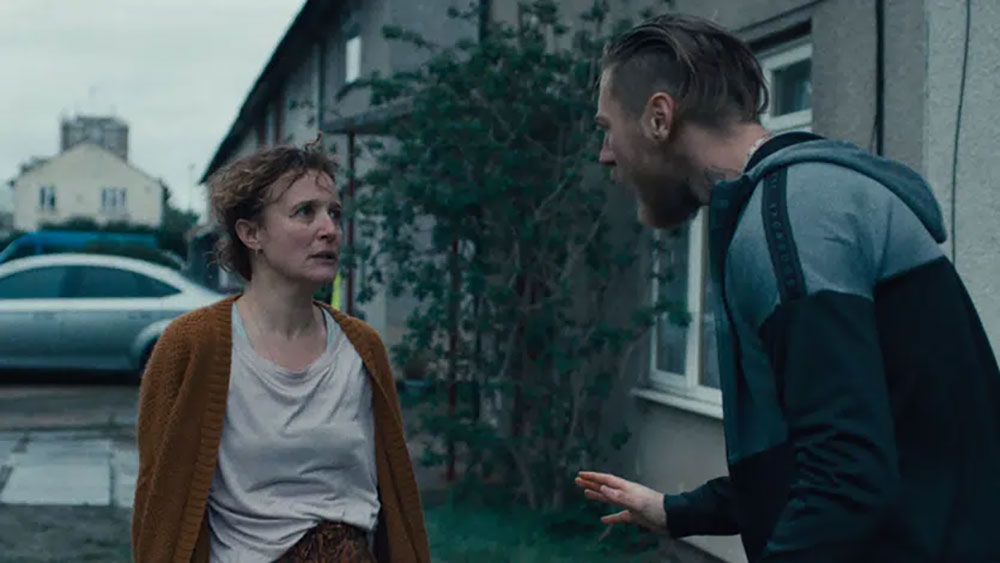
He will fight for his self-granted right to party. “All night, every night”, as Nicky puts it when finally telling a clueless Kevin.
Her wannabe male savior confronts Deano but is instantly defeated. Police direct Nicky’s noise complaint to the city council. The council is too busy to intervene, and none of her other neighbors wants to get involved. Deano’s increased delight in his nightly racket reveals his sadistic side as he leaves dog shit on Nicky’s lawn, blackmails her, and even kills her cat. The fact that Nicky’s late parents used to live next door adds another psychological twist.
A proximity associated with security and comfort turns into a marker of psychological torment. Thus, both opponents become more and more unhinged in their behavior.
Style, tone, and soundtrack prove essential to the plot. Slanted camera angles, blurry frames, and intrusive close-ups are used to convey Nicky’s mental decline. She sleeps in her car and seeks shelter at Kevin’s place. But such impermanent escapes have their own impact on her routine and overall stability.
Her feelings of powerlessness and paranoia give the acoustic night terrors an almost surreal edge, as the sound exaggerates every sound Deano makes. Nights drag on in eerie, dimmed light. Daylight hours glimmer sickly in faded colors.
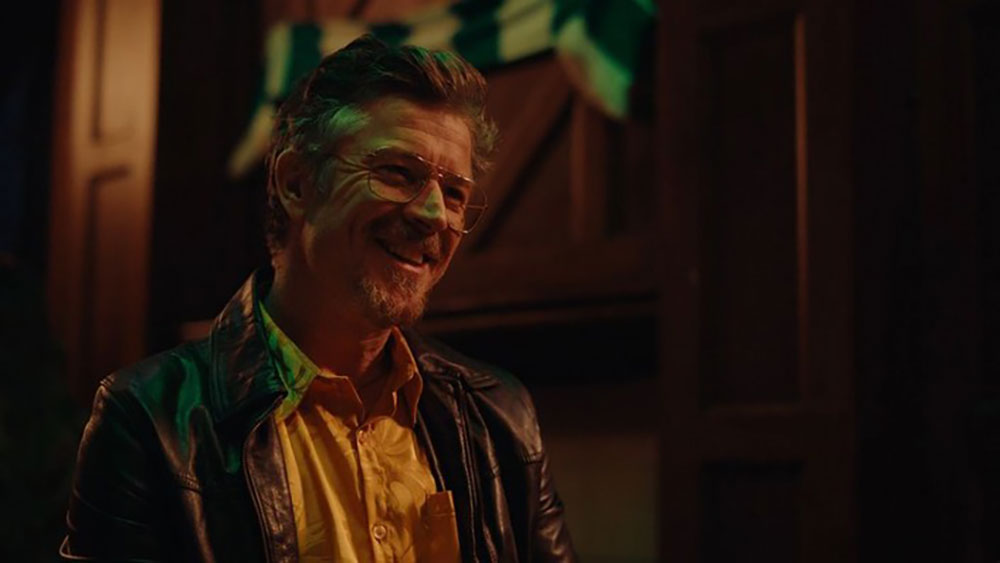
Upon closer scrutiny, Hart’s seemingly universal conflict reveals issues of class, gender, and economic privilege.
The calm that Nicky longs for doesn’t even exist in underclass neighborhoods with crowded, poorly soundproofed living spaces and more noise pollution. Upper-class residents rarely have direct neighbors. Nicky has to get up early for work and can’t physically intimidate Deano. Even racism rears its head as Nicky makes Deano’s sole Black pal her first target.
Disappointingly, a cowardly, anticlimactic ending replaces the impending escalation. Was the director-writer simply too tired to devise something more convincing than this utterly unbelievable deus ex machina conclusion?
Despite its unused potential, two effective lead performances and an effective set-up make for a suburban horror movie that leaves you just the right amount of restless.

She’s a lover, he’s a fighter. Together, they’re CHEER AND LOATHING. Tune in to hear your hosts, Stephanie (Cheer) and Casey (Loathing), clash over the films they love — and the ones they love to hate.
In this holiday extravaganza episode of Guilty Pleasures, join hosts Stephanie, Kelly, and our newest addition, Jonathan (Jack was tied up in tinsel and couldn't join us), as they unwrap the bizarre and unhinged world of holiday cinema. They dive into the depths of Elves, a film that's as chaotic as it is entertaining. It's a sleigh full of questionable decisions, diabolical dialogue, absurd plot twists, wildly offensive antics, and unhinged holiday mischief.
And that's not all! In the second half of the podcast, join your festive cinephile friends for a look at four more ”nutty as a fruitcake” holiday treats: A New York Christmas Wedding, Elf Bowling, A Medea Christmas, and Jack Frost. Plus, we each offer a bonus Christmas flick guaranteed to make you say, ”Ho, Ho, HO-LY Hell!”
Expect laughter, disbelief, and a spirited debate about what truly makes a movie a guilty pleasure. Don't miss this festive journey through the weirdest corners of holiday films!




Follow Us!