


A forgotten eco-horror creeper starring Val Kilmer, “The Thaw” blends isolation, body horror, and climate terror into a chilling cocktail.
No time to read? Click the button below to listen to this post.
Like many cinephiles, I’ve been on a bender of Val Kilmer films lately, celebrating the storied career of one of a generation’s most talented and versatile actors. My journey took me to the hidden depths of Tubi horror for a forgotten sci-fi eco-horror film called The Thaw that honestly chilled me to the bone.
It’s a potent cocktail of isolated terror, squirm-inducing visuals, and an uncomfortably relevant message that has only gotten more shudder-inducing with time.
Before The Thaw even really begins, it’s already playing with your nerves. The film opens not with monsters, but with headlines—real ones. Melting glaciers. Disease-carrying insects. Climate tipping points that have long been surpassed. It’s the kind of intro that doesn’t just set a mood; it sets the stakes.
Because while The Thaw is technically fiction, the horror it draws from is alarmingly nonfiction.
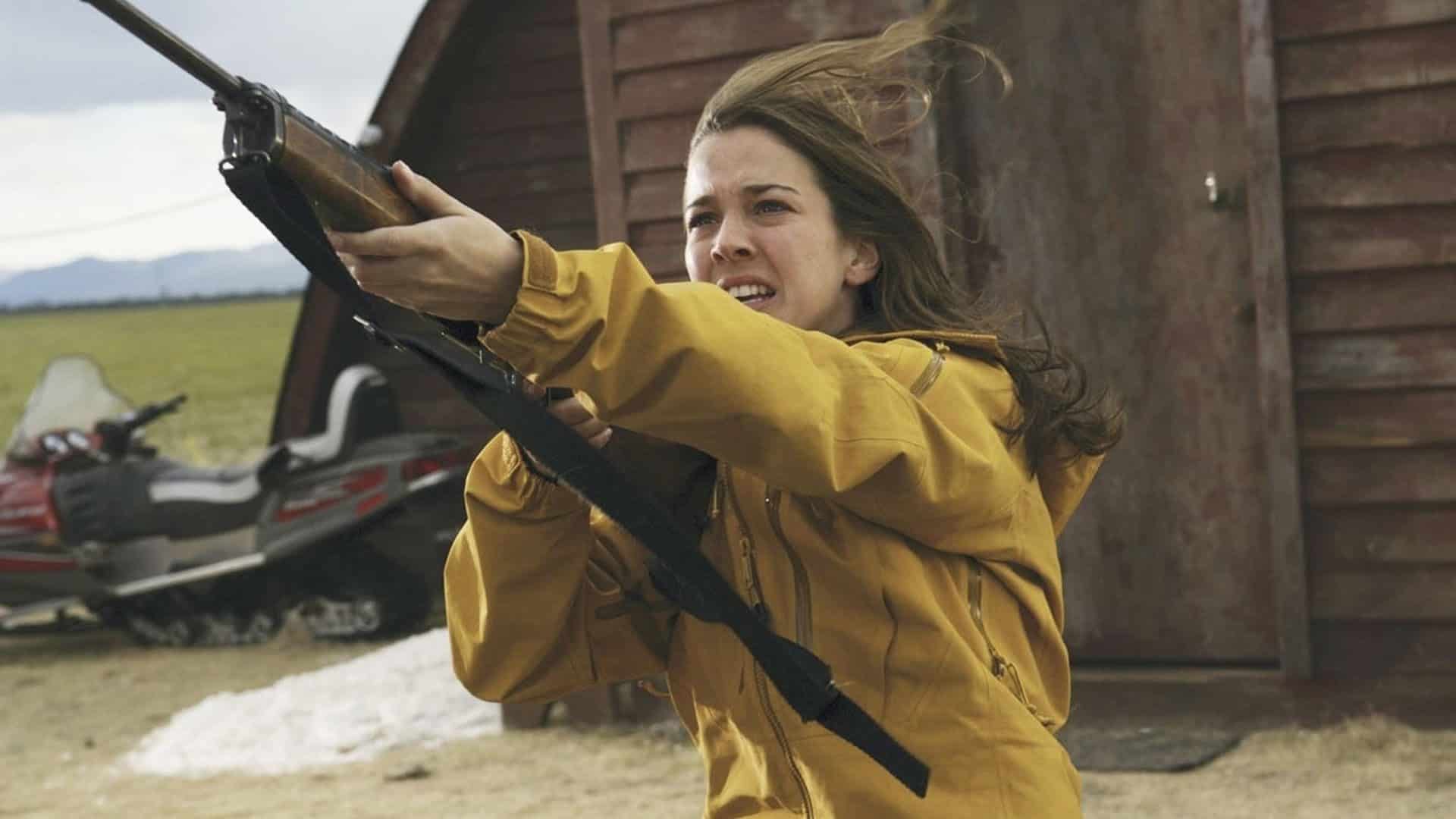
A group of young ecology students is flown to a remote Arctic outpost to assist in research… only to find the lead scientist (Kilmer) missing, the camp seemingly abandoned, and something ancient and dangerous stirring beneath the ice.
It’s a setup that’s comfortingly familiar—frozen wasteland, ragtag group of strangers, and a slow-burning realization that they are not alone—but it uses that template to explore something far more insidious than an alien parasite or hungry wolfpack.
At its core, The Thaw asks: What happens when nature fights back?
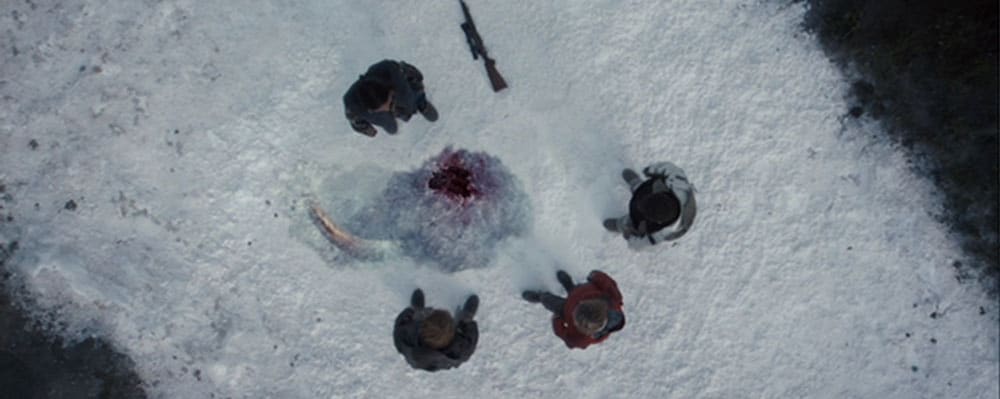
And what if it doesn’t fight back with dramatic floods or earthquakes, but with something microscopic—something that doesn’t just destroy the body, but weaponizes it?
One of The Thaw’s greatest strengths is how committed it is to its eco-horror premise. Unlike other environmental horror flicks that simply use nature as a monster metaphor, this one stares into the abyss of human negligence and dares you not to look away.
It evokes the creeping dread of The Last Winter and The Bay, painting a picture of climate change not as a slow disaster on the horizon, but as an incubator for nightmares we’re not equipped to handle.
And it’s not subtle. The message is loud, grim, and grotesque: we’ve screwed up the planet, and the consequences are festering.
The film leans hard into the desolation and helplessness of being cut off from the rest of the world, miles from civilization and surrounded by ice that hides more than it reveals. The isolation ramps up the tension and enhances the film’s central idea: there’s nowhere to run when the threat is inside you.
It’s this fusion of environmental horror and psychological claustrophobia that makes The Thaw a worthy cousin to The Thing.
Let’s talk about the gooey stuff, because I know you hunger for something meatier than lofty ideas.

The Thaw delivers on the gross-out front with practical effects that might not always be polished, but they are effective. Think crawling infestations, flesh melting in ways that would make Cronenberg cringe, and infections that turn the human body into a living Petri dish of agony.
If you’ve ever felt itchy watching Cabin Fever or nauseated during The Ruins, expect more of the same—and maybe don’t snack while watching.
Directed by Mark A. Lewis, this eco-horror gem that slipped under the radar for most, but now deserves a second (or first) look—especially for horror fans craving the uncomfortable marriage of body horror, cabin fever isolation, and ecological apocalypse.
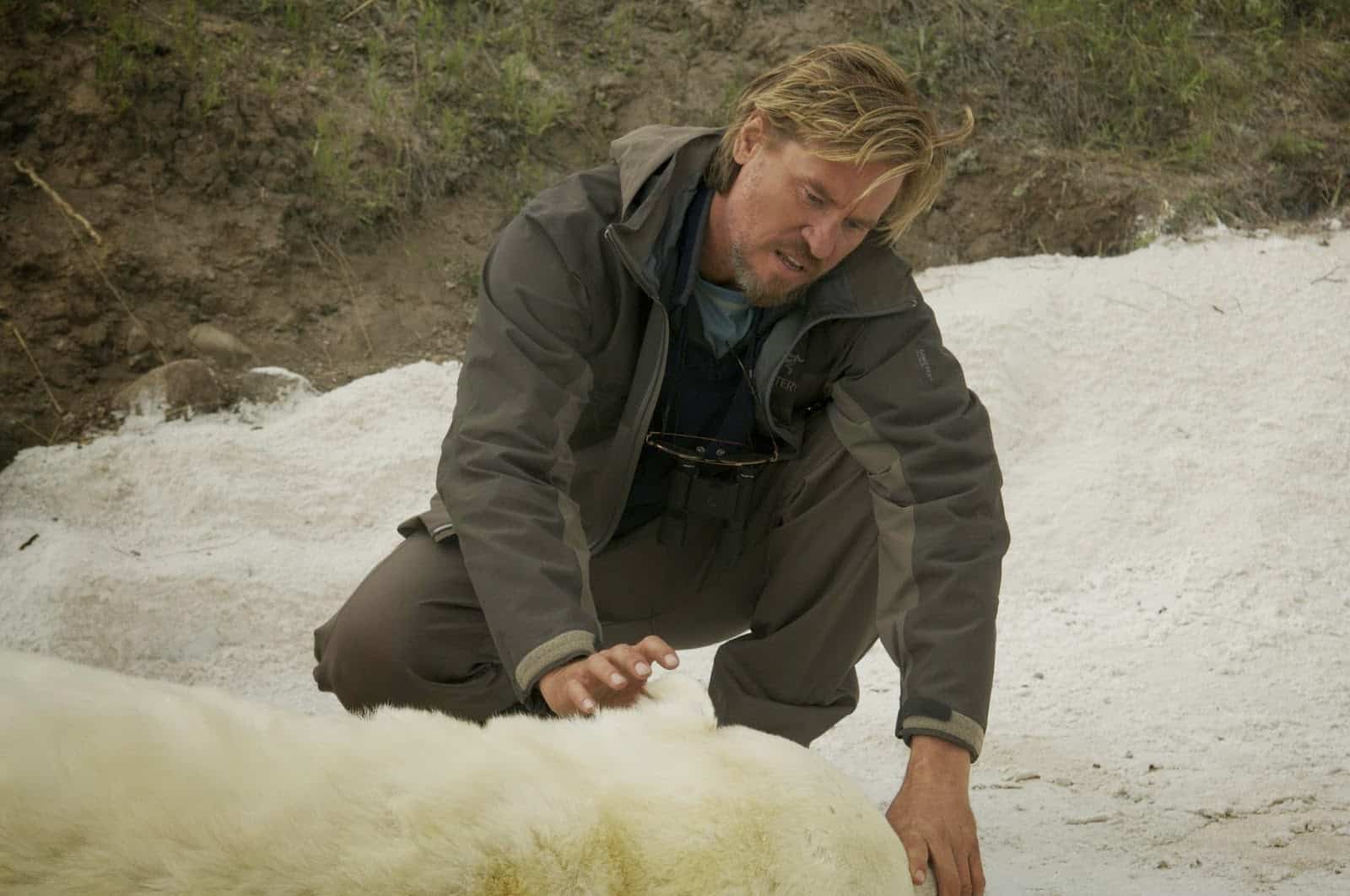
As for Kilmer, his role here is small but potent. He plays Dr. David Kruipen, an eccentric but driven climate scientist whose motives unravel with the same slow-burn dread as the infection itself. In light of Kilmer’s passing, this performance feels especially poignant—a reminder of his ability to elevate even the smallest scenes with gravitas and mystery.
The Thaw isn’t a perfect film. It occasionally overreaches, stumbles with pacing, and leans into preachiness. But let’s be real: we’re living in a time when reality has made eco-horror feel less like fiction and more like prophecy.
The Thaw offers something genuinely unsettling—not just because of its bugs and blood, but because it holds up a mirror and whispers, “You did this.”









Follow Us!