Inter-State, Gush, The Man With the Black Umbrella, First Drafts: The Outcasts, Burnt Flowers
No time to read? Click the button below to listen to this post.
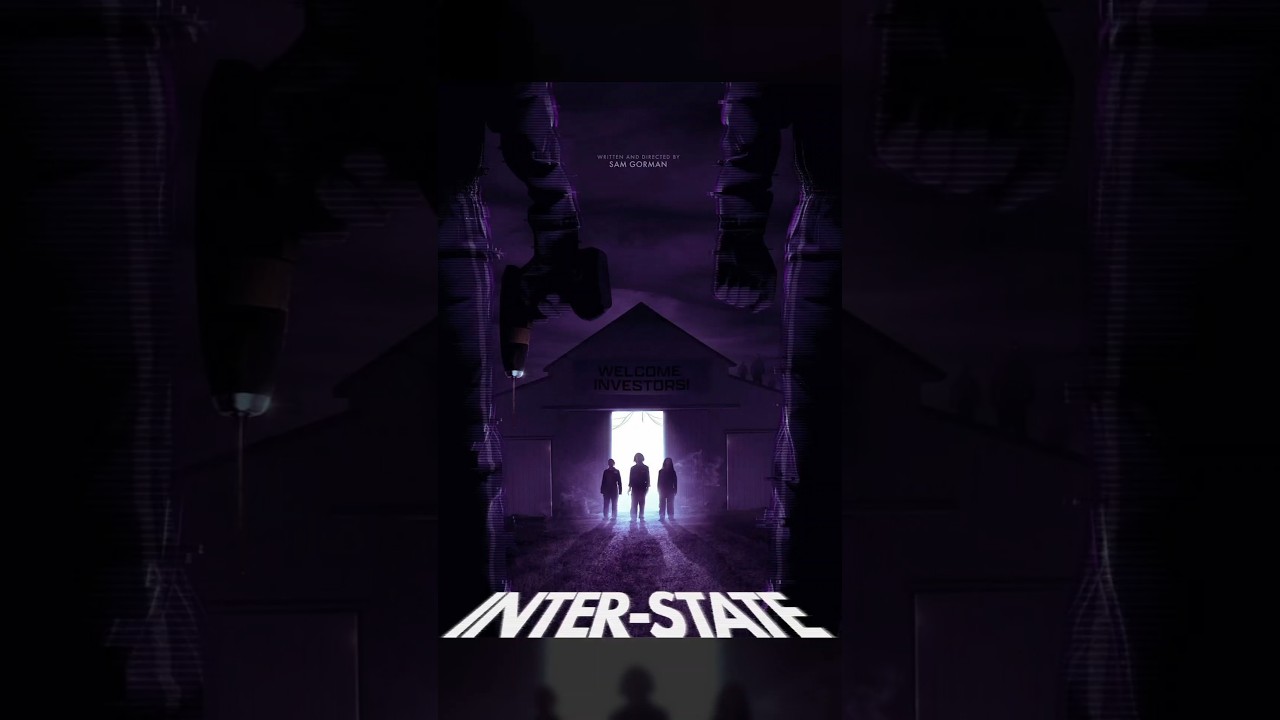
INTER-STATE
Sam Gorman’s Inter-State imagines teleportation built in a Virginia barn, run by two scrappy entrepreneurs and one weary young physicist (Aubrey Clyburn). When their experiment unleashes the Tracksuit Men—dimension-hopping terrors with retro-monster vibes—the dream project becomes a nightmare.
Gorman stages big ideas with run-and-gun urgency, prioritizing character and ethical stakes over glossy spectacle.
The film asks the right questions: What happens when “world-changing” tech gets courted by the machine of capital and war? How much risk do workers absorb just to keep eating? It’s messy in patches, but there’s an honesty to the seams; the scrappiness becomes part of the charm, and the core concept is strong enough to carry you past the rough edges.
Bottom Line: Scrappy sci-fi with big ideas and bigger heart. Imperfect, but inventive.
GUSH
From Brian K. Williams and Scott Schirmer (Harvest Lake, Plank Face), Gush is their most mature, sumptuous, and emotionally potent work. It’s an erotic, sorrow-drunk fable about art as both salvation and addiction.
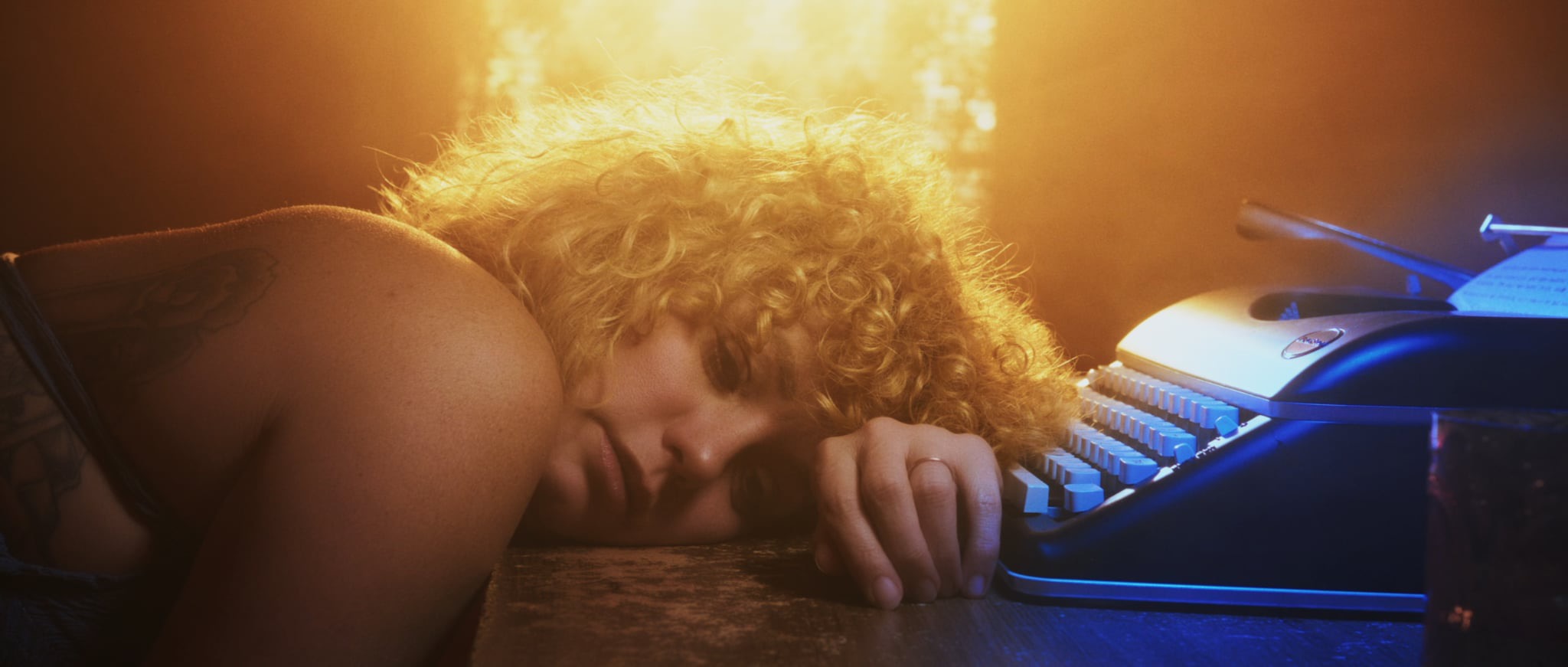
Ellie Church is extraordinary as a horror novelist shattered by loss, numbing out until a retreat to a ramshackle cabin summons a silent forest Muse (Alyss Winkler, all feral grace) who leads her into rituals of sex, blood, and words. Pages appear, pain returns, and the film becomes a séance for creativity itself: the way inspiration seduces, devours, and, sometimes, redeems.
Brian K. Williams and Scott Schirmer shoot in psychedelic washes that make grief feel mythic. The soundtrack hums. The climax lands like both benediction and bruise. Crucially, the sensuality is female-centric and story-serving—erotic, not leering. Church gives a career-best turn that’s raw and magnetic, and Winkler communicates volumes without speaking.
If “trauma horror” fatigue is real, this one answers with sincerity and craft.
Bottom Line: Church and Winkler are transcendent. A gorgeous, cathartic blend of trauma, eroticism, and the sacred pai of creation. Strange and unforgettable.
THE MAN WITH THE BLACK UMBRELLA
Ricky Umberger’s found-footage chiller opens like a gut punch—doorbell-cam dread, a midnight intruder, a double homicide—and closes with a funeral-home set piece that genuinely rattles.
The middle is the hang-up: a grieving brother and a PI trudge through clues and lore, with long walk-and-talk stretches and the usual FF contrivances (shaky cam, “why are we still filming?” moments). If you love the subgenre, you’ll forgive it; if not, the patience tax is steep.
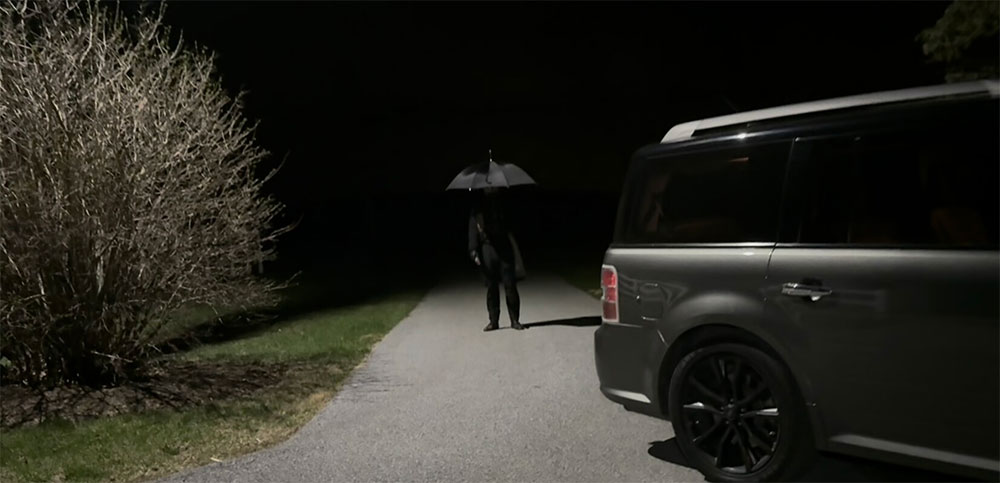
The good news: the Umbrella Man is a great silhouette—simple, uncanny, unsettling—and the atmosphere hums with that “danger around the corner” charge. The mythology nods to folk-horror Americana and urban-legend dread. It may not reinvent the wheel, but when it rolls downhill in the third act, it hits hard.
Bottom Line: Lore-heavy but rewarding with a legit bang of an ending—catnip for found-footage faithful.
FIRST DRAFTS: THE OUTCASTS
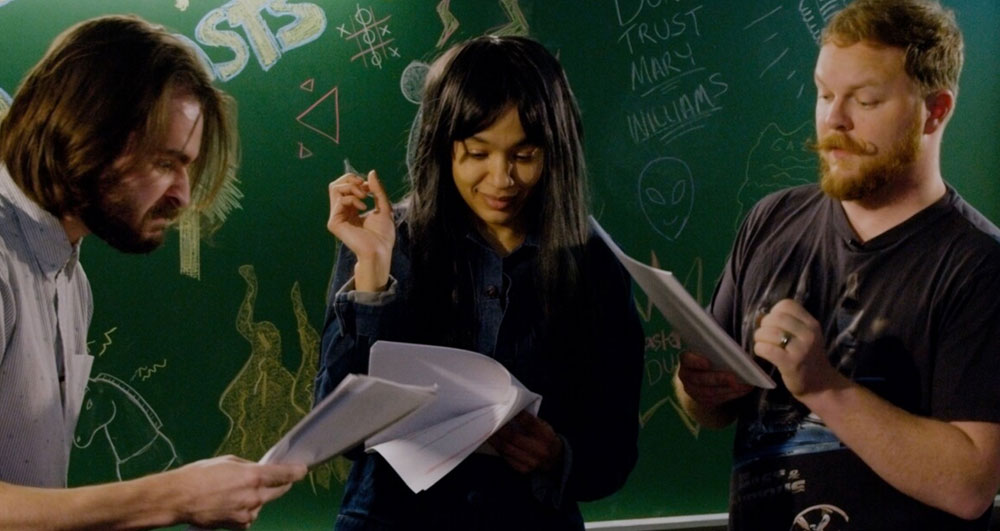
Michelle Iannantuono opens a time capsule to find grace. She resurrects the feature script she wrote at 12, hires actors to read it cold with a theater coach reacting in real time, and turns her adolescent cringe into communal joy. The lines are baffling, the twists absurd, but the joke isn’t on young Michelle. The film treats those pages as a love letter to the fearlessness we lose.
It’s hilarious (think The Room with innocence), but also inspiring. By embracing her awkward beginnings, Michelle honors the idealistic kid who believed in her possibilities before the world taught her to apologize for caring. It’s also a stealth masterclass in process: permission to try, fail, and try again without embalming your heart in irony.
For theater kids, artists, or anyone who’s ever burned an old notebook in shame, it’s catharsis. Invite your younger self; they deserve a seat.
Bottom Line: Hysterical and heartfelt. A love letter to cringe, creativity, and the bravery of first drafts.
BURNT FLOWERS
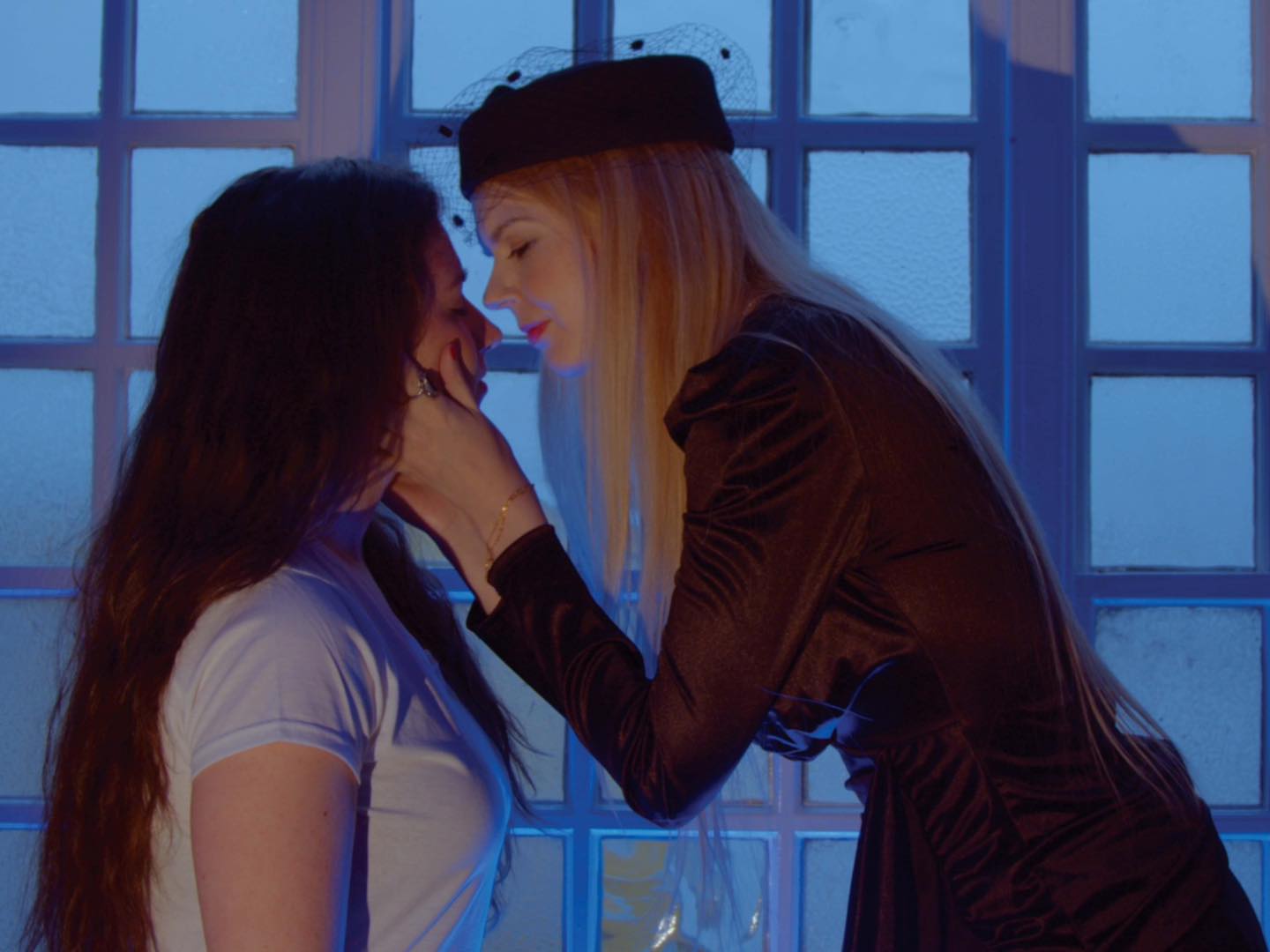
Michael Fausti’s Burnt Flowers is a surreal, silk-dark neo-noir spanning decades of lust, murder, and mystery. Detective Franc Alban (a cool, flinty Amber Doig-Thorne) navigates a missing-person case that spirals into psychics, mobsters, and ghosts of the past.
A psycho-sexual labyrinth, it’s more noir than horror, but drenched in mood: a sexy ’60s soundtrack, giallo-inspired visuals, and stylish murders. Laurence R. Harvey is appropriately creepy as a crooked cop. The narrative blurs time and space, echoing Lynchian disorientation. It’s never gratuitous. The violence remains suggestive, the horror psychological. The reveals twist in ways that feel earned rather than showy.
There’s queer desire threaded through the narrative, handled with the same sultry restraint as the noir tropes it riffs on.
Bottom Line: Stylish and strange, it’s a queer, Lynchian noir that’s as compelling as it is gorgeous.
Stephanie Malone is the founder, owner, and editor-in-chief for Morbidly Beautiful. Podcaster, producer, writer, illustrator, editor. Tomatometer-approved critic, voting member of the Women Film Critics Association, GALECA, the North Texas Film Critics Association, and official Cherry Picker. Follow her on X at @smalonedesign, Instagram at @srgreenhaw, Blue Sky at @angryprincess.bsky.social. MuckRack Profile: https://muckrack.com/stephanie-malone. Read Full
Sign up to receive weekly recaps of all Morbidly Beautiful posts
Guilty Pleasures
Guilty Pleasures
She’s a lover, he’s a fighter. Together, they’re CHEER AND LOATHING. Tune in to hear your hosts, Stephanie (Cheer) and Casey (Loathing), clash over the films they love — and the ones they love to hate.
Guilty Pleasures: Holiday Special Featuring “Elves”
byStephanie Malone
In this holiday extravaganza episode of Guilty Pleasures, join hosts Stephanie, Kelly, and our newest addition, Jonathan (Jack was tied up in tinsel and couldn't join us), as they unwrap the bizarre and unhinged world of holiday cinema. They dive into the depths of Elves, a film that's as chaotic as it is entertaining. It's a sleigh full of questionable decisions, diabolical dialogue, absurd plot twists, wildly offensive antics, and unhinged holiday mischief.
And that's not all! In the second half of the podcast, join your festive cinephile friends for a look at four more ”nutty as a fruitcake” holiday treats: A New York Christmas Wedding, Elf Bowling, A Medea Christmas, and Jack Frost. Plus, we each offer a bonus Christmas flick guaranteed to make you say, ”Ho, Ho, HO-LY Hell!”
Expect laughter, disbelief, and a spirited debate about what truly makes a movie a guilty pleasure. Don't miss this festive journey through the weirdest corners of holiday films!





Follow Us!