The Merging & The Madness: 13 Essential Films for Fans of “Together”


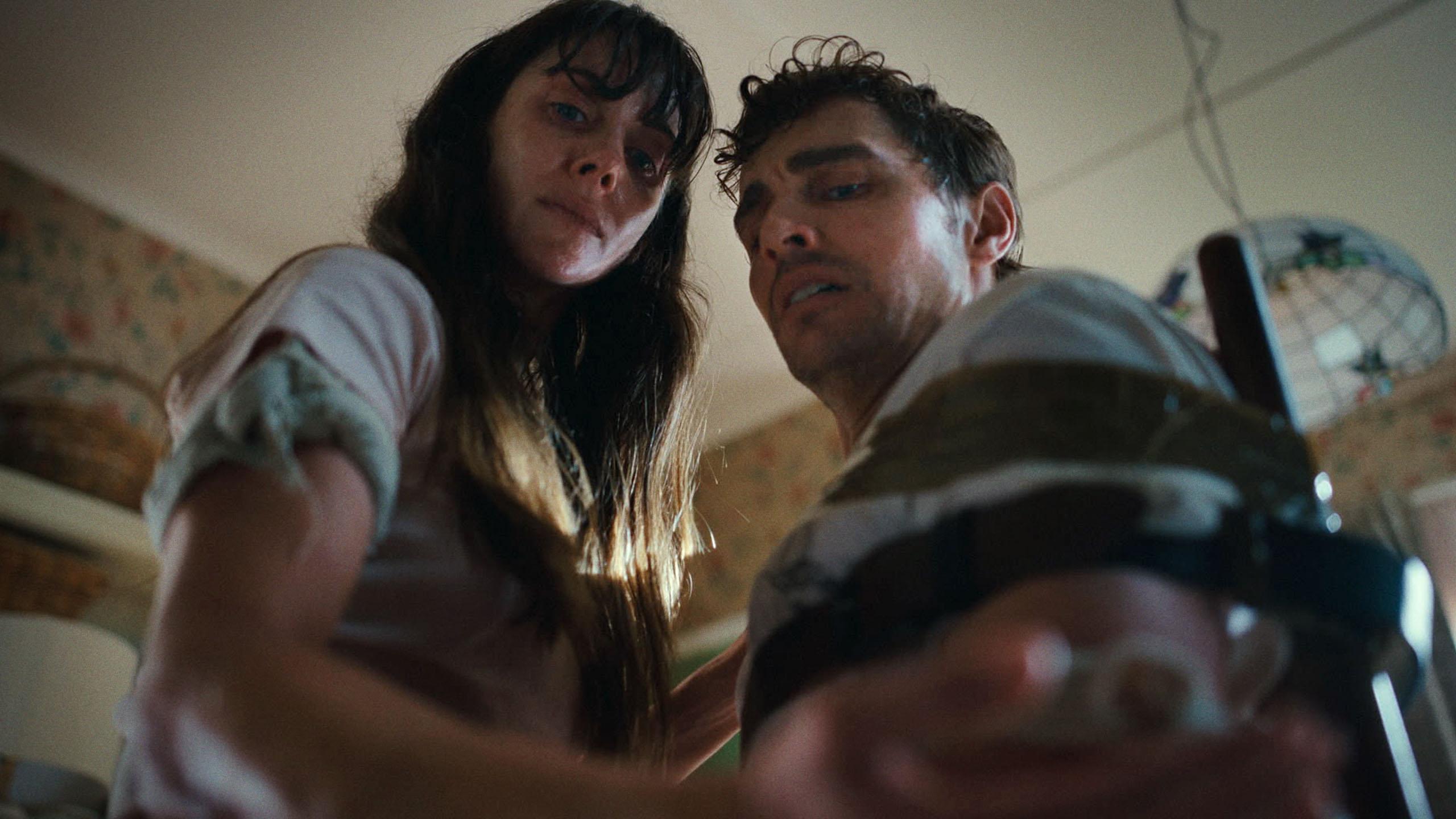

Michael Shanks’ Together shocks and satisfies with its literal depiction of two becoming one, showing us the grotesque side of unhealthy intimacy as a crumbling relationship turns into a flesh-twisting nightmare. The film is as funny as it is horrifying, using practical body horror to capture the suffocating dread of codependency and the psychological horror of losing yourself, literally and figuratively, in someone else.
If you’re craving more films that twist the familiar anxieties of love and commitment into something truly horrifying, look no further. We’ve curated a list of 13 films you may have missed that delve into the psychological abyss of human connection, using the language of horror to dissect toxic bonds—whether romantic, platonic, or even familial.
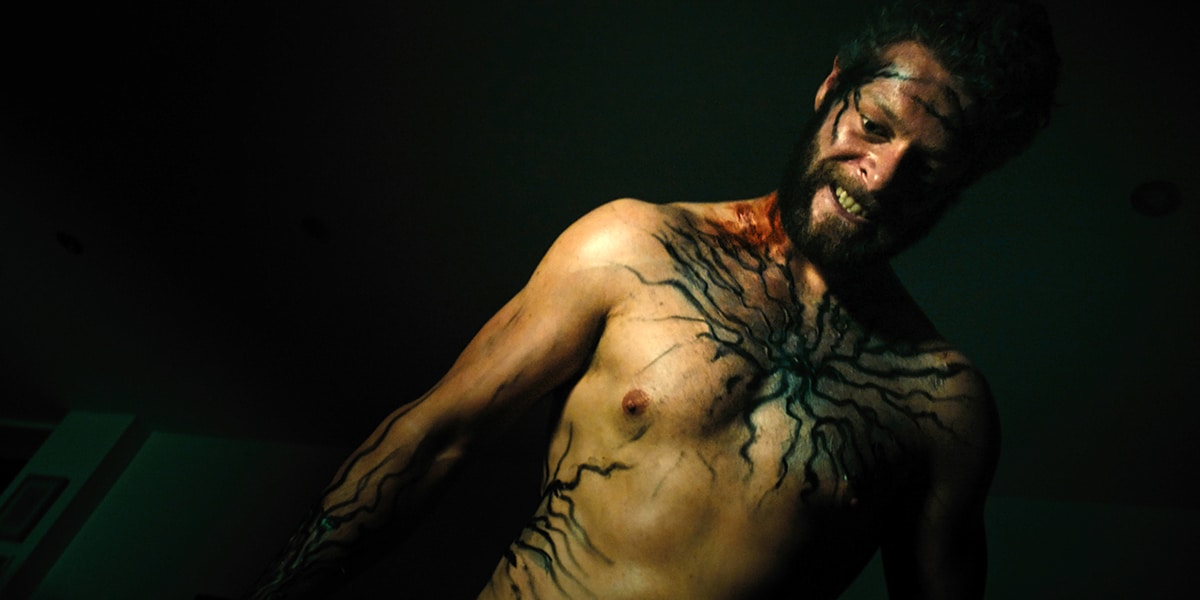
Dakota is on the verge of leaving her manipulative and toxic boyfriend, Axel, when he suddenly develops a horrifying, contagious illness. As Axel’s body grotesquely transforms, oozing black veins and acidic liquid, their already poisoned relationship becomes a literal battle for survival and sanity within the confines of their London flat.
This film takes the concept of a “toxic relationship” and injects it with a visceral, acidic dose of body horror. Kill Your Lover doesn’t just show a relationship breaking down; it externalizes the rot, making the boyfriend’s physical decay a horrifying mirror to his internal toxicity and abuse. The illness becomes a terrifying, tangible representation of the emotional and psychological corruption within their partnership.
Flashbacks cleverly show the insidious nature of Axel’s emotional manipulation and how Dakota slowly lost herself trying to please him. The horror lies in seeing the internal poison manifest externally, forcing the characters (and the audience) to confront the literal monstrosity that unresolved conflict and codependency can create.
It’s messy, confrontational, and deeply unsettling.
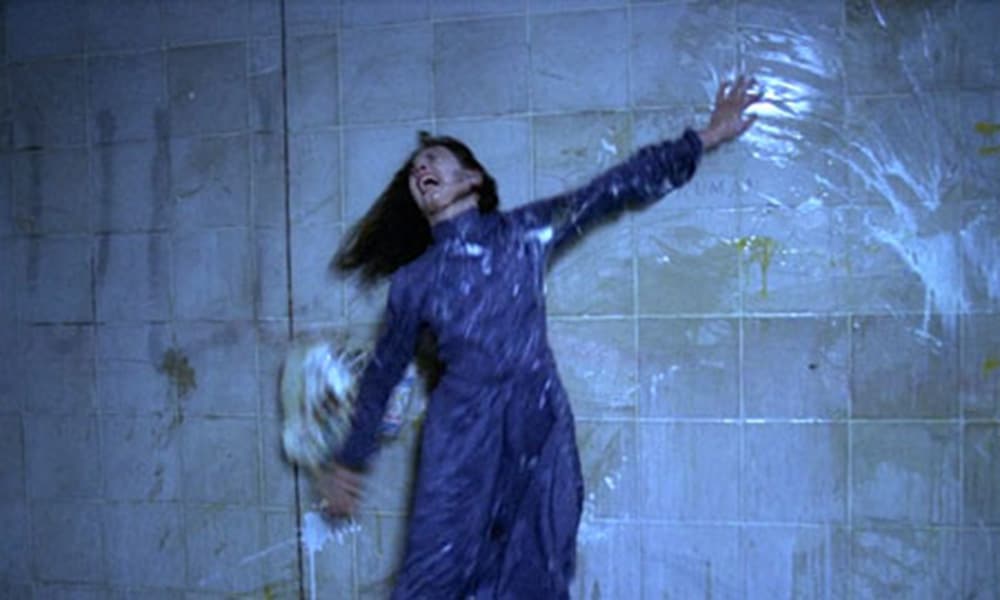
Set in a divided Berlin, Possession plunges into the escalating, violent breakdown of a marriage between Mark (Sam Neill) and Anna (Isabelle Adjani). As Anna’s erratic behavior grows more extreme and unsettling, Mark uncovers a disturbing secret that challenges the very nature of reality and love itself.
Often cited as one of the most intense and bizarre horror films ever made, Possession is more than a metaphor for a toxic divorce. It is the raw, screaming embodiment of it. Żuławski famously wrote the script while going through a painful separation, and that anguish bleeds onto every frame. The film creatively addresses codependency through Anna’s almost superhuman need to break free, and Mark’s desperate, obsessive attempts to understand and control her.
The loss of identity is explored through both characters as they are driven to the brink of madness, transforming into primal, unrecognizable versions of themselves. The infamous subway scene alone is an unforgettable example of how extreme performance horror can be more terrifying than any monster.
It’s a film that will leave you exhausted, confused, and utterly mesmerized.

Agnes (Ashley Judd), a lonely, drug-addicted waitress living in a seedy motel, finds her isolated life invaded by Peter (Michael Shannon), a mysterious drifter. As their intense relationship blossoms, Peter becomes convinced that the motel room is infested with government-planted insects, drawing Agnes into his spiraling paranoia and delusion.
Based on a play, Bug is a devastatingly brilliant exploration of folie à deux (a shared delusion). It’s a claustrophobic, unsettling journey into the heart of a toxic, codependent relationship. The horror isn’t just the literal bugs Peter believes he sees, but the way his delusion consumes Agnes, slowly eroding her sense of reality and self.
It shows how isolation and shared trauma can make two people inextricably bound to a terrifying, self-destructive narrative, blurring the lines of individual identity until they become one terrifying, paranoid unit.
It’s an unsung gem that proves the most frightening things can breed within the confines of a relationship.

Hunter, a seemingly perfect newlywed, finds herself increasingly isolated and controlled within her lavish new life. As her husband and his family tighten their grip, Hunter develops an inexplicable compulsion: pica, the urge to consume inedible and increasingly dangerous objects.
Swallow is a profound and deeply disturbing psychological film that uses body horror to explore female bodily autonomy and the terrifying loss of self in a suffocating relationship. Hunter’s compulsion to swallow objects becomes a defiant act of reclaiming control over her own body and identity, which is being systematically erased by her domineering husband and in-laws.
The horror stems from the visceral discomfort of her pica, but more profoundly from the feeling of being trapped, unheard, and having one’s very essence absorbed by a controlling environment.
It’s a visually striking, emotionally resonant, and ultimately empowering, yet disturbing, exploration of reclaiming agency in the face of suffocating “love.”
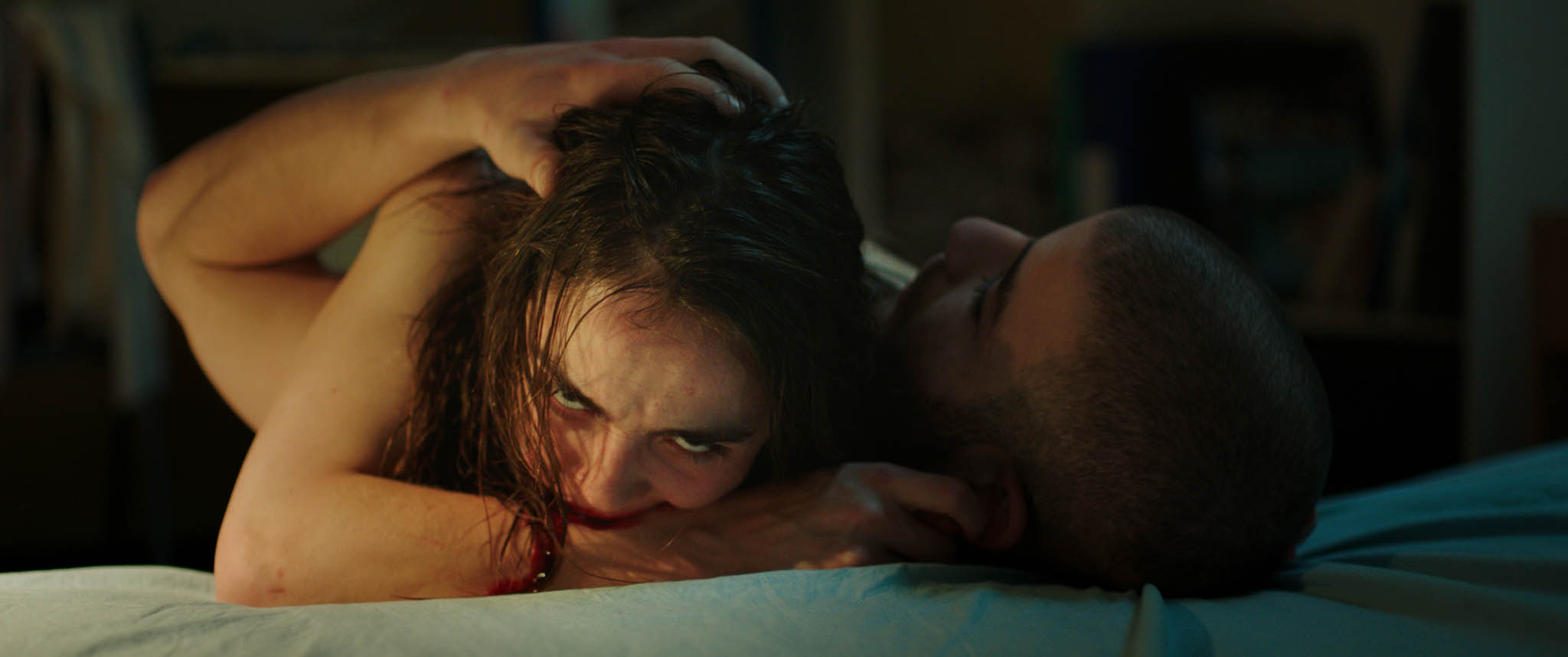
Justine, a sheltered vegetarian, enrolls in veterinary school, where a hazing ritual forces her to consume raw meat for the first time. This act awakens a dark, insatiable craving within her, pushing her into a shocking journey of bodily instinct, sexual awakening, and literal cannibalistic hunger.
Raw is a potent coming-of-age story wrapped in visceral body horror. While its primary relationship isn’t romantic, the intense, often disturbing bond between Justine and her sister, Alexia, is a central pillar, showcasing a toxic codependency and a monstrous familial inheritance.
Cannibalism becomes a potent metaphor for primal urges, identity transformation, and the overwhelming pressure to conform versus the need to embrace one’s true, monstrous self.
The bodily merging and internal conflict of Justine’s developing urges resonate deeply with Together‘s themes of loss of control over one’s body and identity when consumed by external (or internal) forces.

Renowned plastic surgeon Dr. Robert Ledgard (Antonio Banderas) holds a beautiful young woman, Vera (Elena Anaya), captive in his secluded mansion. He’s been meticulously perfecting a new form of synthetic skin on her, a chilling process that slowly reveals a horrifying backstory of obsession, revenge, and the ultimate loss of identity.
While not strictly a horror film in the traditional sense, The Skin I Live In is undeniably disturbing and deeply unsettling, functioning as a psychological horror that explores extreme forms of control and identity erasure within a “relationship.” Almodóvar, known for his melodramas, takes a chillingly dark turn here. The film explores the toxic power dynamic where one person completely dictates and reshapes another’s existence.
Vera’s existence is entirely defined by Ledgard’s obsession, stripping her of her past and her very self. The horror lies in the violation of autonomy and the profound, irreversible loss of who one fundamentally is, all under the guise of creation and twisted affection.
It’s a stylish, shocking, and profoundly sad exploration of twisted love.

Alex, a lonely woman navigating the bleak world of online dating, finds a seemingly perfect connection with Kyle through an app. However, their budding romance takes a dark turn when Alex discovers Kyle is an amnesiac revenant, trapped in a digital limbo. Their relationship becomes a haunting exploration of modern “ghosting” and the lingering specters of digital connections.
The Dead Thing offers a very contemporary take on relational horror. It cleverly uses the literal “ghosting” of online dating as a metaphor for the lingering, unresolved emotional baggage and loss of identity that can come from superficial digital interactions. The horror goes beyond a literal ghost and encompasses the unsettling feeling of being trapped in a shallow, unfulfilling connection. It’s the terror of finding one’s sense of self constantly undermined by the ephemeral nature of online personas.
True connection in the digital age can be a terrifying hunt, and our tech-dependent lives can inadvertently lead to a different, equally disturbing kind of “togetherness” – a purgatory of unfulfilled potential and emotional isolation.
It’s a smart, atmospheric film for the modern age.
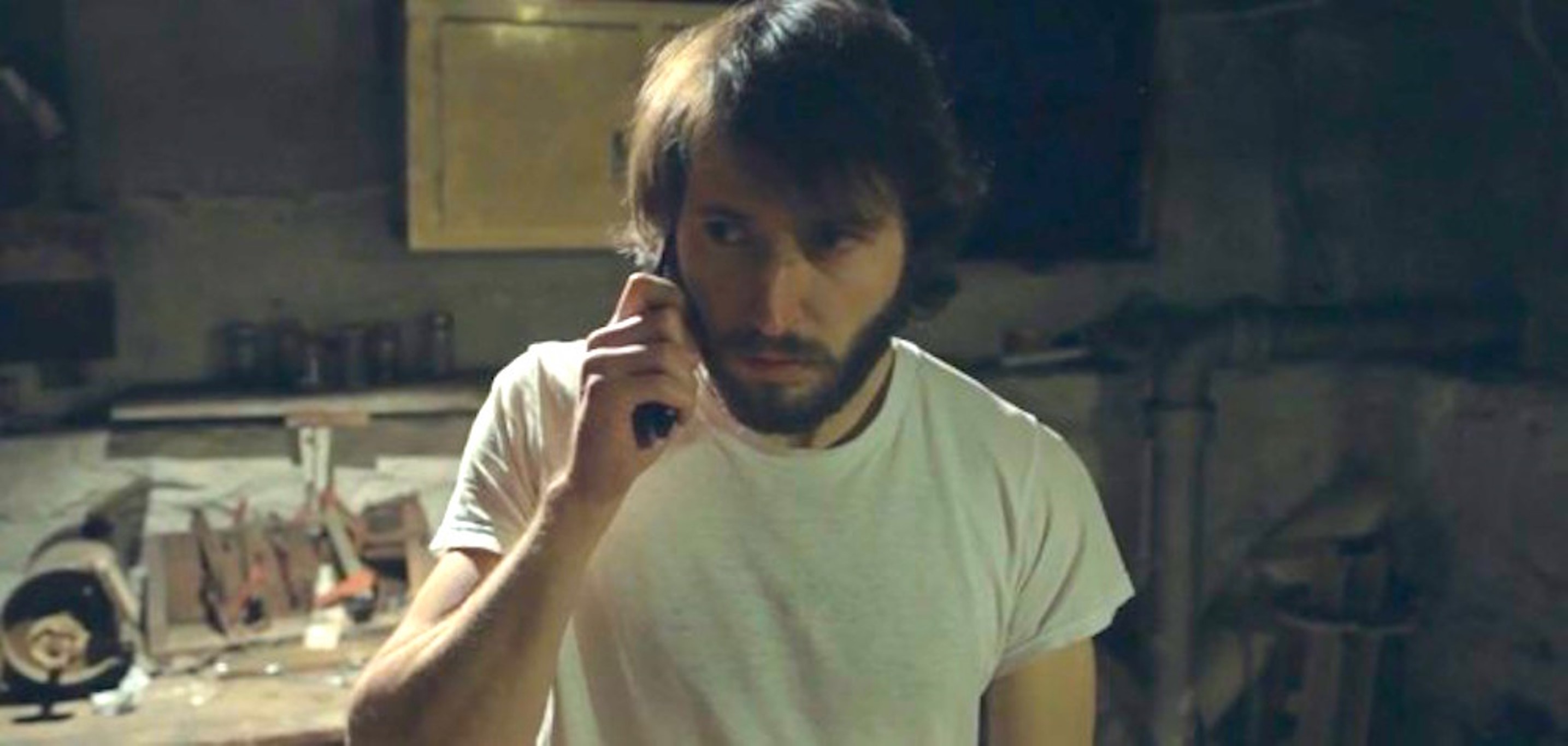
Wyatt, a seemingly ordinary man, makes an unexpected visit to his old friend Christian. Wyatt reveals he’s been receiving disturbing phone calls from a mysterious voice warning him of an impending war between humanity and monstrous beings who look like regular people. Their rekindled friendship devolves into paranoia and intense codependency as Christian struggles to discern reality from his friend’s potential delusion.
This minimalist psychological horror might focus on a platonic friendship, but its exploration of codependency and the warping of identity is incredibly potent. They Look Like People showcases how emotional dependency can lead one person to become completely subsumed by another’s mental state, sacrificing their own perception of reality to support a loved one’s delusion.
The horror lies in the insidious way Christian’s selfhood is threatened, not by external monsters, but by the overwhelming weight of his friend’s fragile sanity.
It’s a quiet, unnerving film that proves the bonds we form can be as terrifying as any supernatural threat, especially when they blur the lines of who we are.

Elaine, a beautiful and determined young witch, moves to a new town with one goal: to find a man to love her. Using her potent paranormal powers and elaborate love potions, she manipulates men into obsessive devotion, only to find them unable to truly satisfy her needs.
A gorgeous, retro-styled horror-comedy-satire, The Love Witch offers a stylized, feminist critique of dependent relationships, both from the perspective of the manipulators and the manipulated. Elaine herself, despite her power, is ironically codependent on the idea of being loved, seeking to control others rather than find genuine connection. The men she ensnares lose their self-worth and identity, becoming pathetic shells utterly shaped to please her.
The film exploits the disturbing implications of emotional manipulation, the superficiality of love without true autonomy, and the ultimately destructive cycle of seeking validation through controlling others.
It’s visually stunning and darkly hilarious.

Maren, a young woman with a terrifying secret, an uncontrollable urge to consume human flesh, embarks on a cross-country journey. Along the way, she meets Lee, a fellow “eater,” and their shared, horrifying compulsion sparks a tender yet deeply disturbing romance as they try to navigate a world that cannot accept them.
Luca Guadagnino’s Bones and All uses cannibalism as a potent metaphor for addiction, inherited trauma, and the desperate search for belonging when you’re fundamentally “other.” Much like Together, the body horror here is very literal and often gruesome, but it’s always serving a deeper emotional and thematic purpose. The central romantic relationship between Maren and Lee is defined by their shared, horrifying secret, exploring how love can blossom even amidst monstrous compulsions.
The film delves into the challenges of forming an identity when your very nature sets you apart, and how codependency can emerge from shared marginalization.
It’s a gorgeous and haunting look at the blurring of lines between love, hunger, and self-destruction.
CREDIT: A24 Pictures
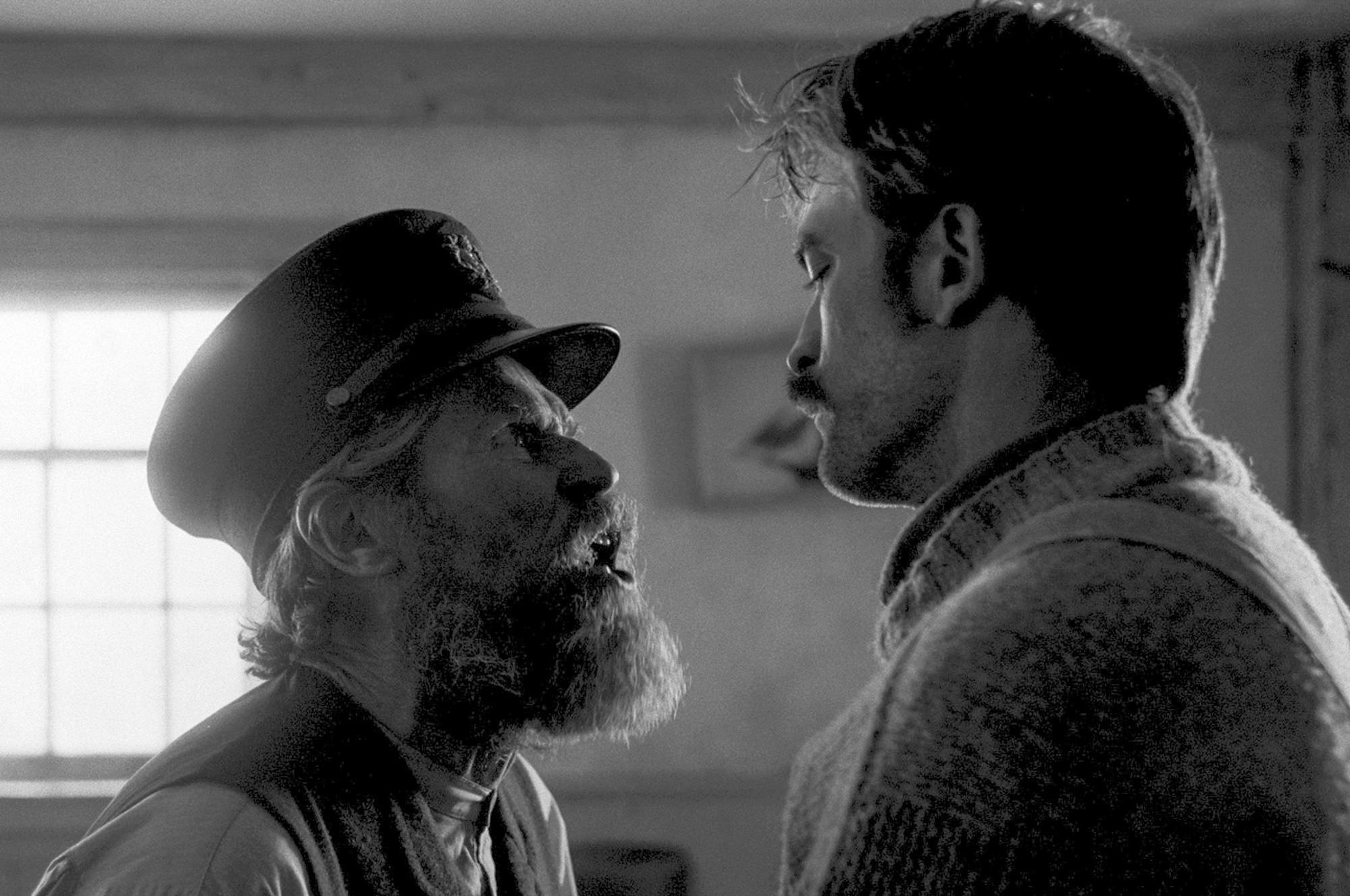
Two lighthouse keepers, the grizzled veteran Thomas Wake (Willem Dafoe) and the stoic newcomer Ephraim Winslow (Robert Pattinson), are stranded on a remote New England island in the 1890s. As a relentless storm rages and supplies dwindle, their isolated existence devolves into a nightmarish descent into madness, paranoia, and a brutal battle of wills.
Robert Eggers’ The Lighthouse is psychological horror at its finest, expertly portraying the horrifying effects of extreme isolation and a deeply toxic, codependent relationship. The film strips away external threats to focus on the internal monstrousness that can emerge when two individuals are locked together. The power dynamics shift violently, identities blur, and their shared descent into madness becomes the true horror.
The black-and-white cinematography and period detail amplify the claustrophobia and raw, unsettling tension. It masterfully makes the audience question what’s real and what’s a hallucination born from their deteriorating mental states and the increasingly twisted bond between them.
A brutal, suffocating portrait of masculinity and madness, proving that true horror can emerge when you’re trapped with yourself.
The infamous case of the “Rotenburg Cannibal,” Armin Meiwes, who killed and ate a voluntary victim he met online, provides a chilling real-world backdrop for exploring the most extreme forms of codependency, the ultimate surrender of self, and the terrifying nature of human desire. These two films, both from 2006, offer different, yet equally disturbing, perspectives on this shocking true story.
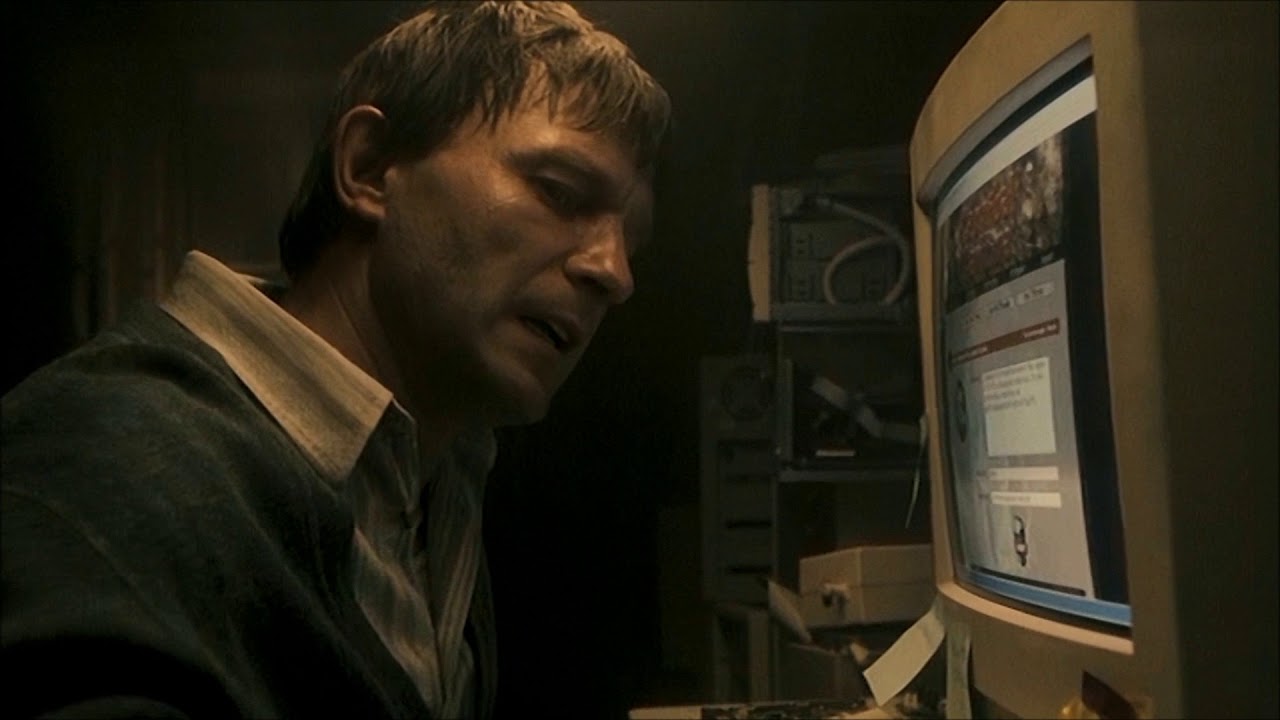
Inspired by the real-life “Rotenburg Cannibal” case, Grimm Love (also known as Rohtenburg or Butcher: The Cult of a Cannibal) follows the unsettling online correspondence between Oliver (Thomas Kretschmann), a man with a dark cannibalistic fantasy, and Katie (Keri Russell), an American criminology student whose morbid fascination with the case leads her to delve deep into the mind of the perpetrator. The film interweaves their parallel stories, revealing the events leading to the horrifying act and its aftermath.
Grimm Love approaches the Rotenburg case with a focus on the psychological motivations and the unsettling nature of consensual fetish. It’s less about sensationalizing gore and more about dissecting the minds of both the “eater” and the “eaten.” It powerfully explores extreme codependency, not just in the literal act of consumption, but in the bizarre, mutually fulfilling psychological contract established between the two individuals.
The victim willingly sacrifices their body, representing the ultimate loss of identity – becoming literally absorbed by another. Simultaneously, the perpetrator’s identity becomes defined by this dark desire and the act itself.
It’s a chilling exploration of the ultimate, horrifying codependency, where love truly becomes consumption.
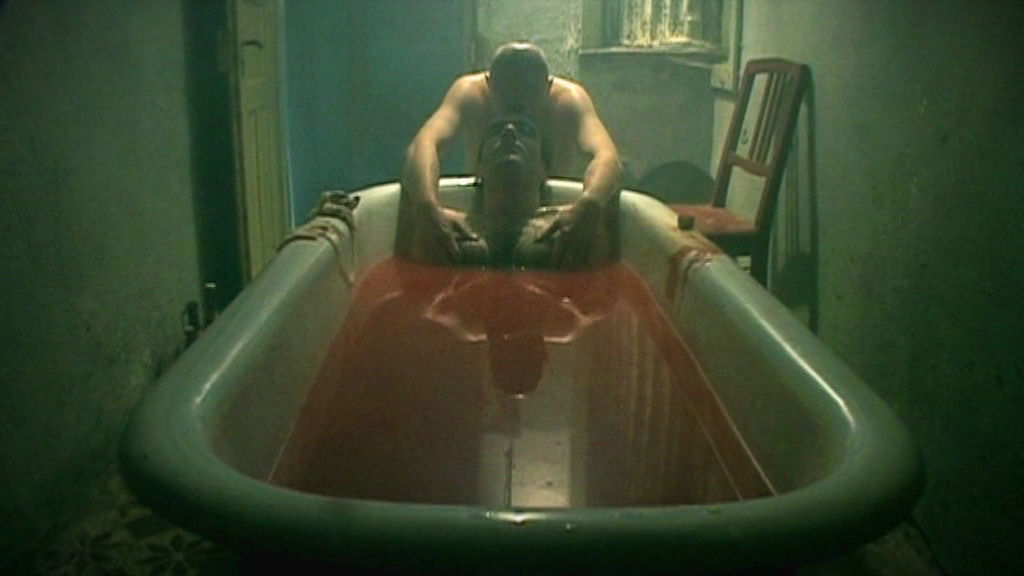
A far more graphic and visceral interpretation of the Rotenburg case, Cannibal (original German title: Cannibal) directly depicts the gruesome acts of a man (played by Marian Dora himself) who, after meeting a willing participant online, proceeds to kill, dismember, and consume him. The film offers an unflinching, unvarnished, and highly controversial portrayal of the events, challenging the audience’s capacity for endurance.
Cannibal is not for the faint of heart, pushing the boundaries of what’s acceptable to depict on screen. Its value lies in its raw, almost documentary-like commitment to showcasing the physical act of identity obliteration. While Grimm Love delves into the ‘why’, Cannibal confronts you with the ‘what’. It’s an unnerving examination of ultimate submission and consumption, where the victim willingly cedes all control and selfhood, culminating in their literal absorption.
The film forces a confrontational look at the darkest facets of human desire and the abject horror of voluntary dissolution of identity. Unlike the more psychological approach of Grimm Love, Cannibal focuses on the material reality of the act, making the themes of consent, agency, and the terrifying conclusion of a toxic, consuming desire physically undeniable.
It serves as a stark, uncompromising companion piece that lays bare the horrifying end result of the twisted connection.

She’s a lover, he’s a fighter. Together, they’re CHEER AND LOATHING. Tune in to hear your hosts, Stephanie (Cheer) and Casey (Loathing), clash over the films they love — and the ones they love to hate.
In this holiday extravaganza episode of Guilty Pleasures, join hosts Stephanie, Kelly, and our newest addition, Jonathan (Jack was tied up in tinsel and couldn't join us), as they unwrap the bizarre and unhinged world of holiday cinema. They dive into the depths of Elves, a film that's as chaotic as it is entertaining. It's a sleigh full of questionable decisions, diabolical dialogue, absurd plot twists, wildly offensive antics, and unhinged holiday mischief.
And that's not all! In the second half of the podcast, join your festive cinephile friends for a look at four more ”nutty as a fruitcake” holiday treats: A New York Christmas Wedding, Elf Bowling, A Medea Christmas, and Jack Frost. Plus, we each offer a bonus Christmas flick guaranteed to make you say, ”Ho, Ho, HO-LY Hell!”
Expect laughter, disbelief, and a spirited debate about what truly makes a movie a guilty pleasure. Don't miss this festive journey through the weirdest corners of holiday films!






Follow Us!