


“Our Happy Place” is a hauntingly intimate horror film that leverages limited resources to weave a chilling tale of atmospheric dread.
No time to read? Click the button below to listen to this post.
The COVID-19 pandemic had a profound impact on the film industry, especially in horror, where the themes of isolation, paranoia, contagion, and societal breakdown naturally aligned with the anxieties of the time.
However, the pandemic didn’t just shape the themes of horror films; it fundamentally altered how they were made. With lockdowns, restricted access to resources, and safety protocols in place, filmmakers were forced to adapt their craft to an unprecedented reality.
This led to a surge in creativity and innovation, as many horror films embraced minimalist settings, smaller casts, and new storytelling techniques to reflect the times. Filmmakers like Raya Miles and Paul Bickel, the duo behind the Dances With Films standout Our Happy Place, were challenged to prioritize atmosphere, character development, and innovative storytelling over traditional spectacle.
Miles and Bickel leaned into their constraints and leveraged guerilla filmmaking under stay-in-place orders. They picked up a camera and started shooting at their isolated Big Bear, California cabin, crafting a chilling tale of secrets, lies, and haunting discoveries.
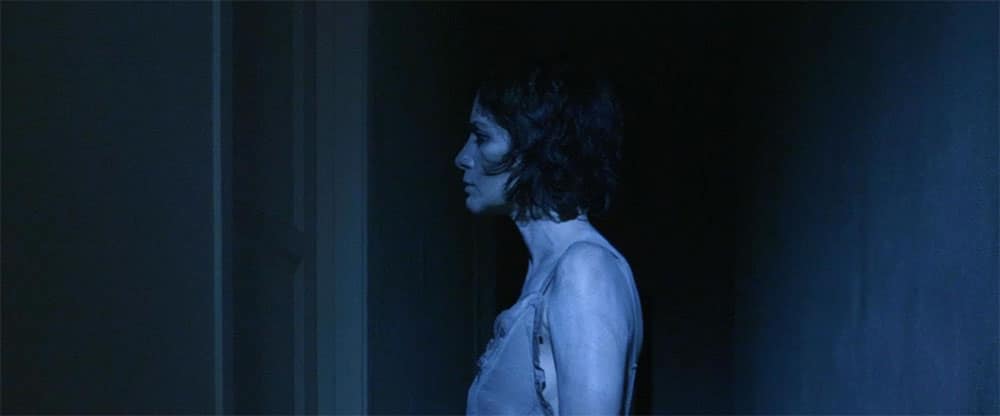
The film begins with a quick montage of shot-on-video memories of a happy couple before opening up in a beautiful wooded field. It’s daylight, birds are singing, and the natural beauty of the surroundings is extraordinary. Yet, amidst the peace and serenity, a woman, Raya (played by Miles), wakes up alone, barefoot, and looking like she’s been through a harrowing ordeal.
Maya stumbles out to the road and makes her way back to a cabin, quickly locating the key and entering the home—her home.

We discover her husband, Paul (played by writer-director Bickel), is bedridden in a near-vegetative state—unable to speak, walk, or feed himself. Raya has been doing her best to care for him, but the psychological stress seems to have taken its toll. Repeated flashbacks offer us a small glimpse into. happier times when the couple was very much in love.
A now-traumatized and exhausted Raya explains to her friend, Amy (Tracie Thoms), via Facetime that she’s been going to sleep in her bed each night only to wake up each morning at some new area in the woods with no memory of how she got there.
To make matters worse, she’s having haunting visions of ghostly women and increasingly vivid and disturbing nightmares involving her loving husband.
With Amy’s support and encouragement, Raya embarks on a plan to try to keep the suspected sleepwalking from happening. But her attempts to regain normalcy only propel her further into psychological turmoil, causing her to lose significant chunks of time.
Bickel does a commendable job slowly ramping up the tension and keeping us invested in the unfolding mystery.
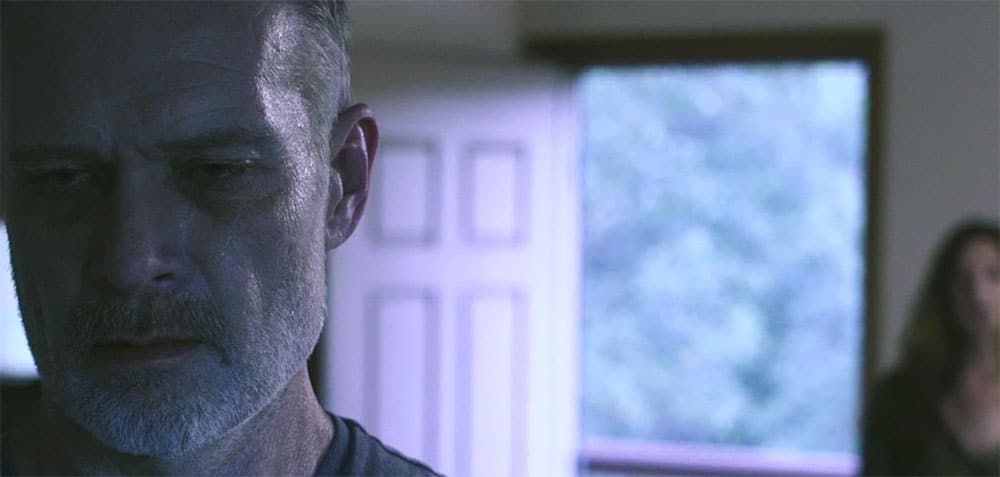
At about the thirty-minute mark, the film shows its hand, and it becomes pretty evident what’s at the root of this relentless torment. While I would have preferred a longer unwinding of the compelling mystery, I remained invested in learning how we got to this point and how it would resolve.
Miles was excellent, carrying the weight of the film and effectively conveying the depth of her fear, confusion, loneliness, and growing paranoia.
This is essentially a one-woman show, and she delivers the necessary emotional authenticity to keep viewers invested in her plight. There’s a scene where she cries over the near-lifeless body of her husband, bemoaning, “This can’t really be our life, can it?” that positively broke me.
This is an obvious ultra-low-budget affair, but Bickel makes the most of his resources. The setting could not be more perfect—with its eerie blend of breathtaking beauty and foreboding isolation—and the subtle but haunting imagery is enough to thoroughly unnerve, even without significant gore or scares.
Our Happy Place is restrained, relying more on atmosphere and tension than adrenaline-fueled action.
The horror is pervasive, hanging over every frame like an ominous dark cloud, but there’s not much showy lightning or jolting thunder to accompany those storm clouds.
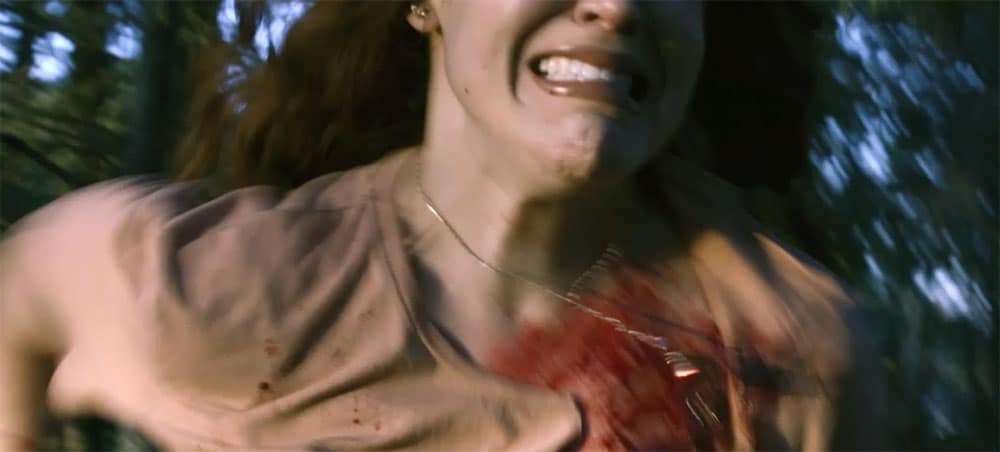
The narrative is slight and offers little backstory or satisfying answers. Still, sometimes horror is most unsettling when there’s no reasonable reason why it’s happening.
Bickel hopes mood makes up for what’s lacking, and, for the most part, he’s right. By leaning into his constraints, he proves that filmmaking ingenuity and resourcefulness can yield compelling, impactful stories despite—if not because of—limitations.
Thanks to Miles’s powerhouse performance and Bickel’s gorgeously atmospheric direction, Our Happy Place kept me immersed in its haunting mystery.
Overall Rating (Out of 5 Butterflies): 3.5







Follow Us!