All Animals Are Unequal: 13 Films for Fans of “Animal Farm”


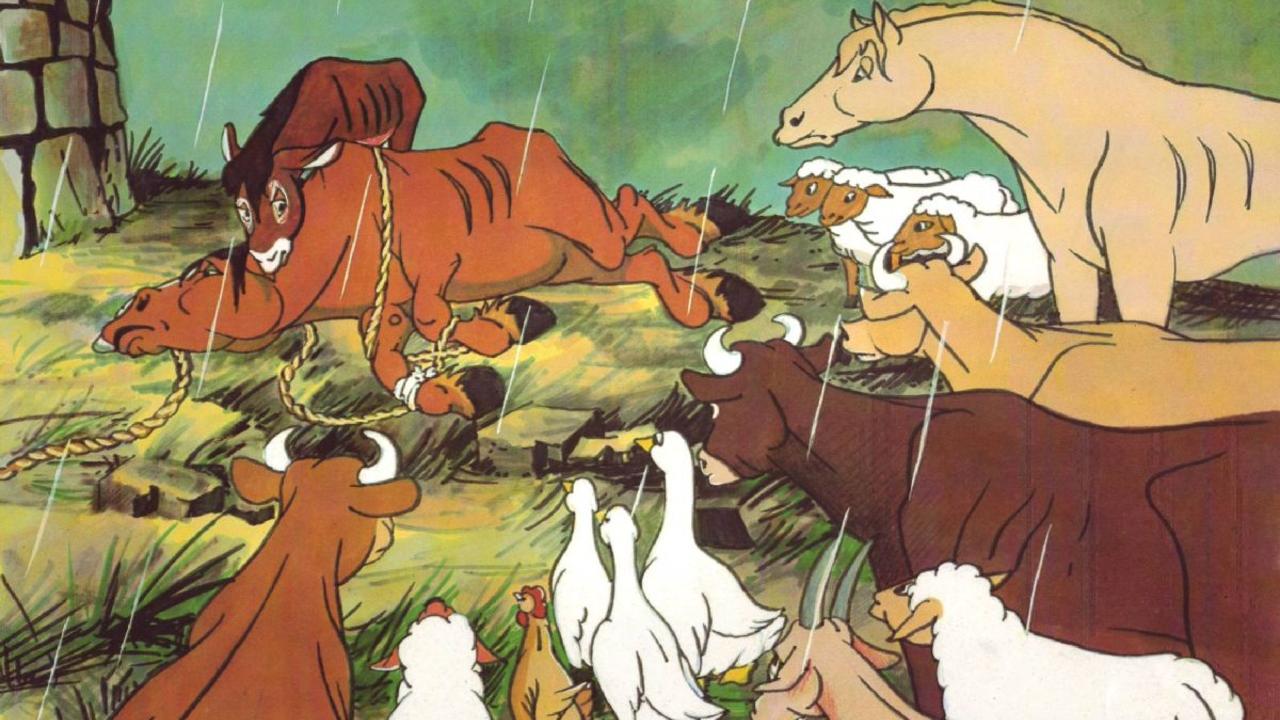
Animal Farm (1954)

George Orwell’s Animal Farm has endured not because it is subtle, but because it is horrifyingly simple.
A group of exploited animals overthrow their human oppressor, build a new society on promises of equality, and slowly watch that dream twist into something just as cruel, corrupt, and self-serving as the system they escaped.
That is the nightmare at the heart of Orwell’s allegory: not merely that tyrants exist, but that revolutions can be hijacked, history can be rewritten, and the vulnerable can be convinced to love the machine that grinds them down.
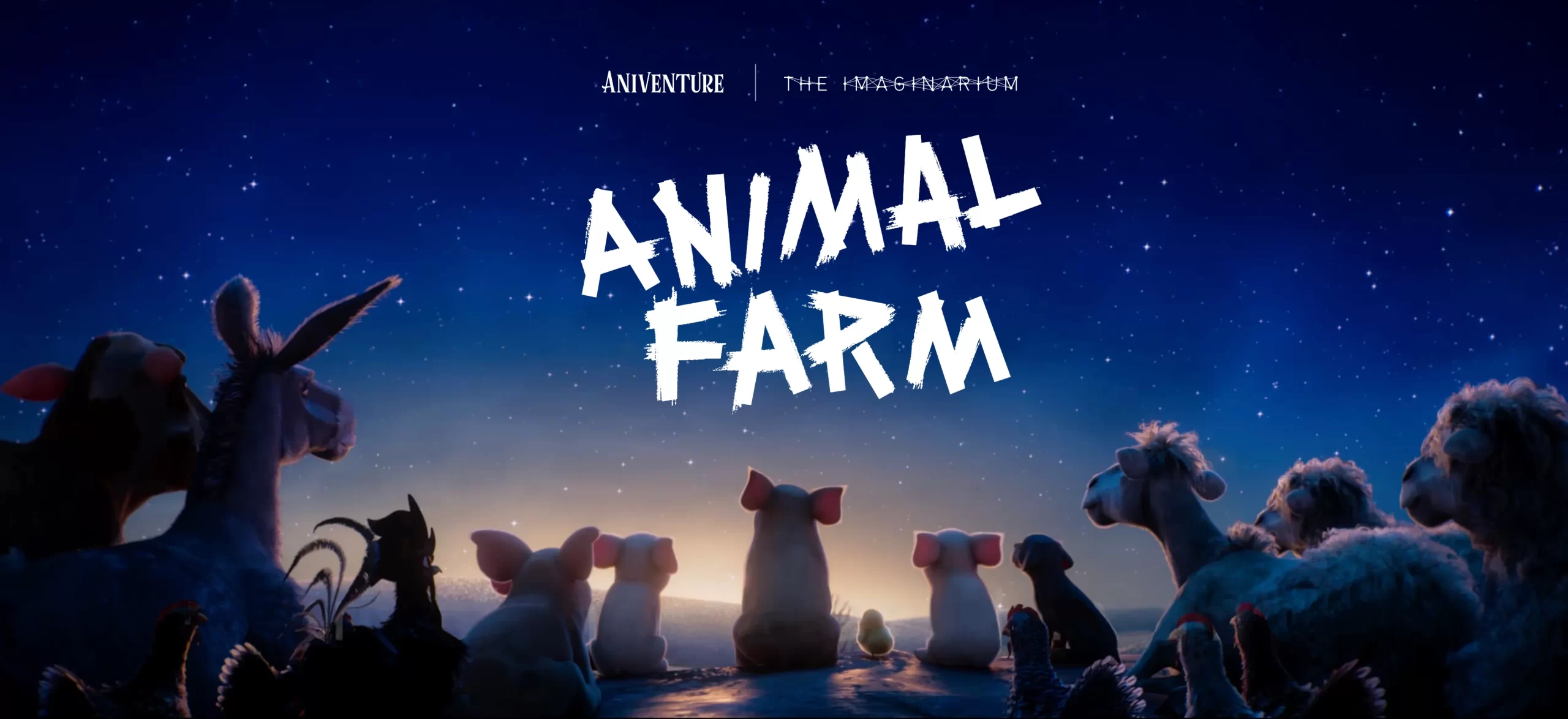
With the new animated Animal Farm from Andy Serkis inspiring heated debate over whether Orwell’s sharp political teeth have been filed down for easier consumption, it feels like the perfect time to revisit films that understand what makes the story so unsettling.
These films are not all traditional horror, but each one belongs in horror’s shadowy neighborhood—from dystopian nightmares to savage satires to devastating documentaries.
If Orwell’s Animal Farm left you rattled by the idea that “all animals are equal, but some animals are more equal than others,” these are the films that keep twisting that knife.
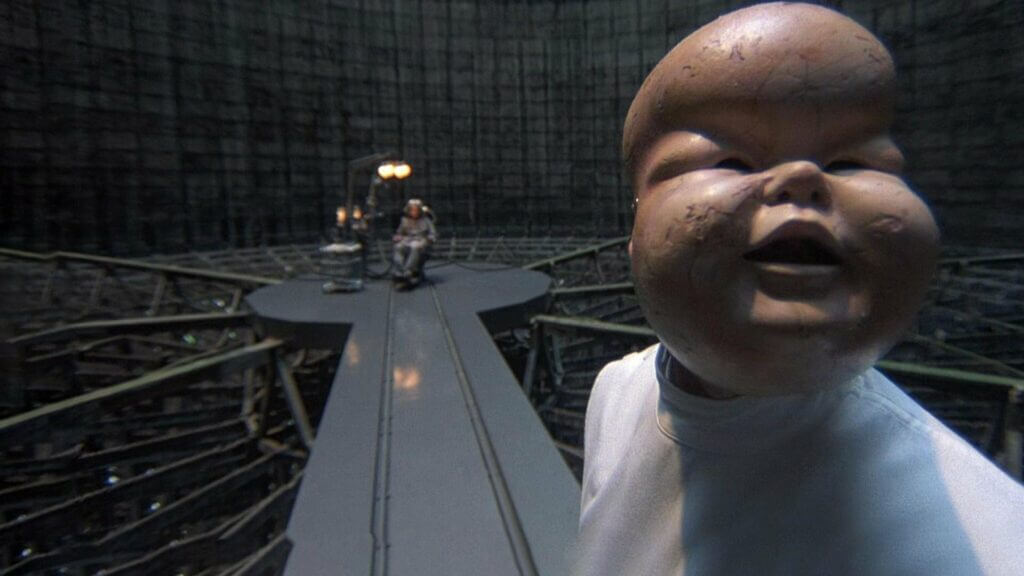
Few films have ever made bureaucracy feel this monstrous.
Terry Gilliam’s dystopian satire follows a low-level government worker trapped in a society ruled by paperwork, surveillance, propaganda, and absurd institutional cruelty. It is funny until it isn’t. Then it is devastating in its exploration of the futility of rebelling against a faceless machine.
Though Brazil draws its DNA from Orwell’s 1984, it fits just as comfortably alongside Animal Farm, exposing how power sustains itself not just through control, but through quiet compliance. It explores what happens when people don’t just obey the system; they adapt to it, rationalize it, and eventually stop noticing it altogether.
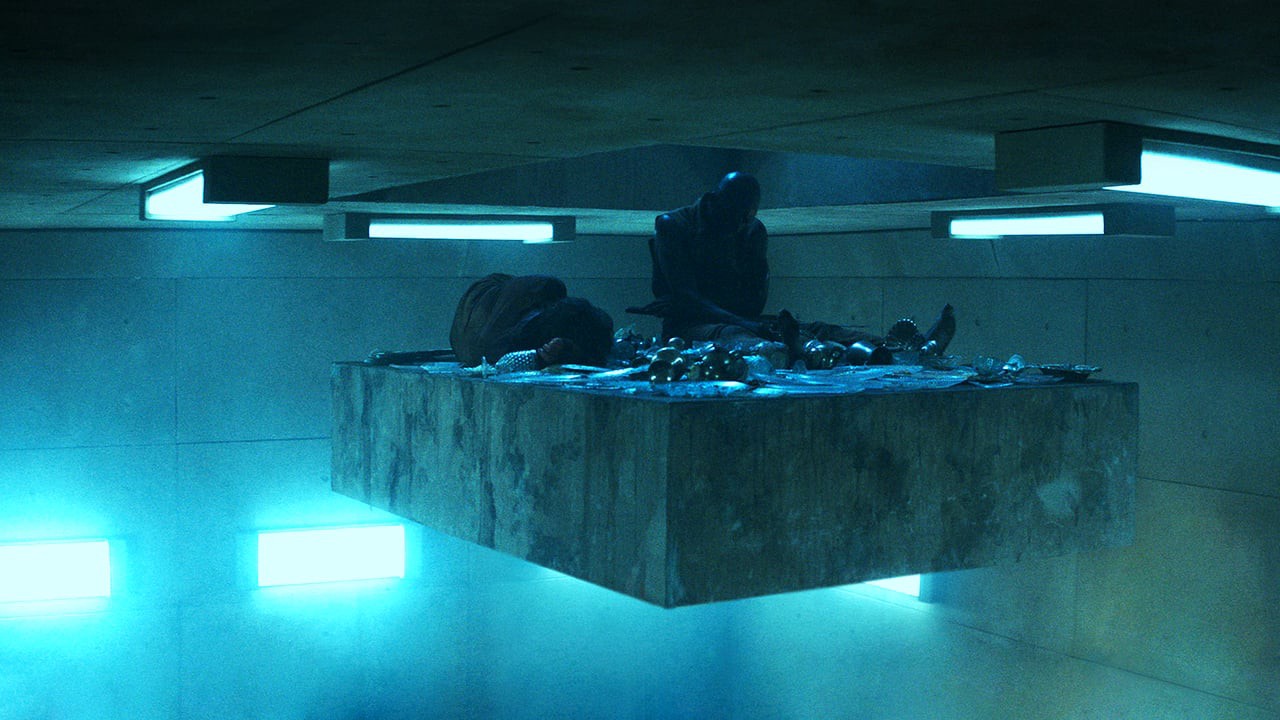
The Platform hits with blunt force, exploring the dark side of human nature and the impact of greed and hoarding while others go without.
Set inside a vertical prison where food descends from the top level to the bottom, the film creates a brutal allegory for class, scarcity, cruelty, and the myth that systems built on deprivation can be fixed through individual decency alone.
Like Animal Farm, it is about a social order where the rules are clear, the injustice is obvious, and everyone still finds a way to rationalize their place in the hierarchy.

Romero’s The Crazies is an underrated government-horror nightmare about a small town exposed to a biological weapon and the military response that follows.
The infected may be dangerous, but Romero is far more interested in institutional panic, dehumanization, and the terrifying incompetence of authority. The film is messy in the best way, alive with anger and distrust.
Like Animal Farm, it asks what happens when those in charge claim they are protecting the public while treating actual people as expendable livestock.

Peter Watkins’ Punishment Park is not technically horror, but it is absolutely horrifying.
Shot like a documentary, the film imagines an America where political dissidents are arrested and given a choice: serve prison time or attempt to cross a desert training course while being hunted by law enforcement. It is raw, angry, and terrifyingly plausible; think Animal Farm stripped of allegorical distance.
Highly controversial upon release for its bleak, punishing vision of a near-future America, Punishment Park doesn’t feel like a relic. It feels like a warning we ignored. Decades later, it still hits with unsettling force, less like an impossible dystopia and more like a corrupt system of cruelty and control patiently waiting for the right moment to reveal itself.
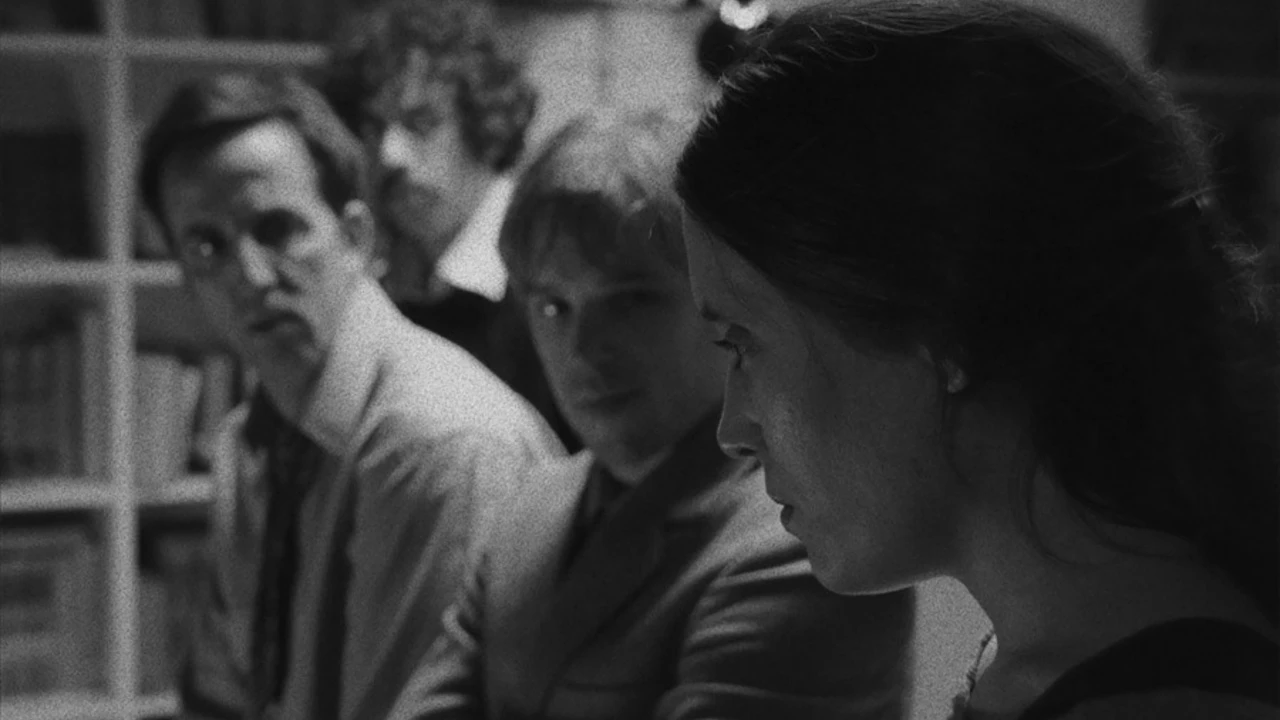
Some revolutions are loud. Others happen quietly, behind closed doors, rewritten in real time by the people controlling the narrative.
Cristian Ponce’s History of the Occult is a stripped-back, slow-burning nightmare presented as a live television broadcast racing toward its own unraveling. Shot in stark black-and-white, the film follows the cast and crew of a late-night political program. They are preparing for their final episode with a real-time investigation that threatens to expose something deeply wrong at the heart of their government.
But the crew, led by their producer and host, isn’t just chasing a story. They’re fighting a losing battle against a system that already knows how the story ends.
This is a film for viewers who like their horror a little enigmatic, a little demanding. There’s a creeping authenticity to the whole thing, like you’re watching something you weren’t meant to see. Something that understands that corrupt regimes don’t just thrive on fear; they manufacture it, shape it, and feed it back to the public until it becomes indistinguishable from the truth.
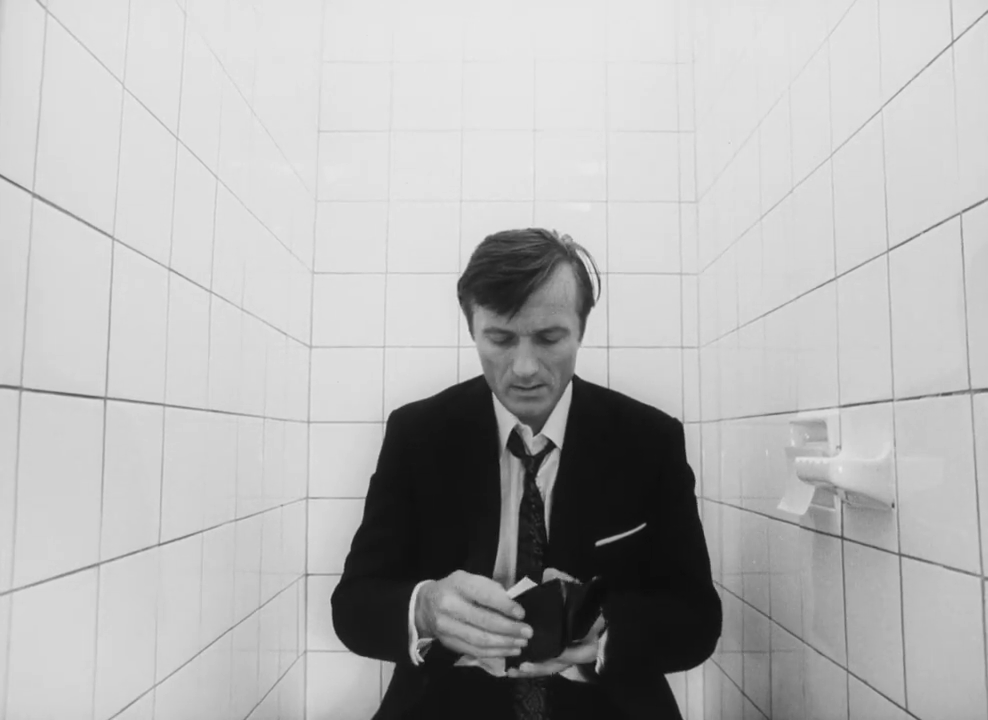
The Ear is a tense Czechoslovak psychological thriller that makes a perfect Orwellian companion because of its quiet, terrifying nature. It imagines a world where people have learned to censor themselves before the state even has to intervene.
Set almost entirely over one long, increasingly poisonous night, the film follows a government official and his wife as they return home from a political function and begin to suspect their house has been bugged. From there, the domestic space collapses into a pressure cooker of paranoia, resentment, alcohol, fear, and marital warfare.
Immediately banned by the Czechoslovak communist regime in 1970 (and not publicly released until after the fall of the communist regime in 1989), this bleak, claustrophobic horror film is about the moment oppression moves into the house and takes a seat at the dinner table.
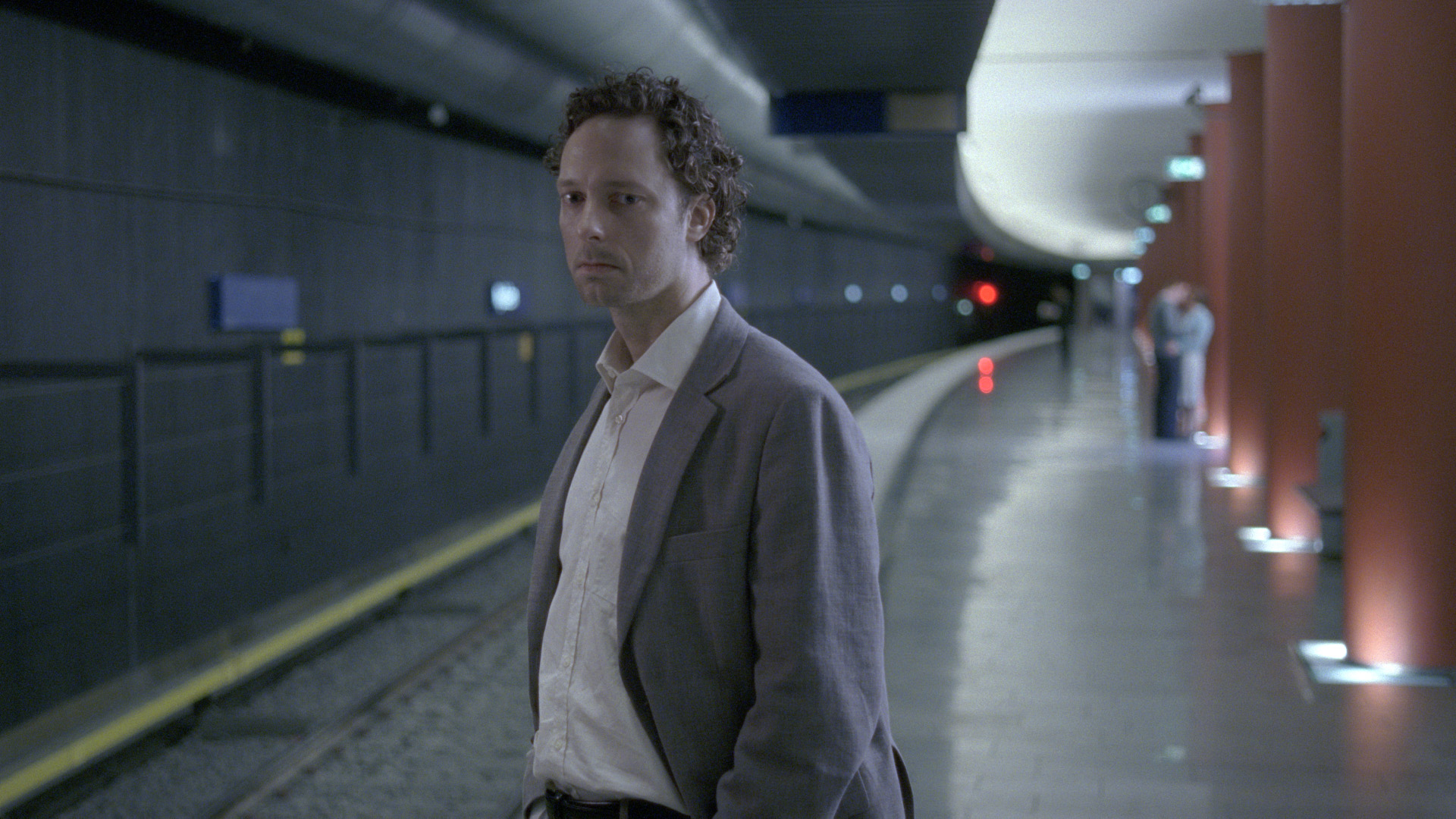
At first, the film’s purgatorial dystopia seems almost pleasant. A man arrives in a clean, orderly city where everyone has a job, an apartment, polite conversation, and no visible reason to complain. There is no obvious dictator. No soldiers in the streets. No overt propaganda designed to keep people in line. There is just comfort, sameness, and a disquieting emotional vacancy that gets more disturbing the longer you sit with it.
The Bothersome Man is not about violent revolution or open oppression. It is about the kind of control people accept because it is convenient. It’s about what happens when creature comforts create complacency. No one needs to be manipulated to obey. All that’s needed is to remove friction, feeling, and genuine desire until resistance feels like bad manners.
This is a deadpan, surreal, and deeply unsettling Norwegian film about the horror of a world where everyone has adjusted to captivity so completely that they no longer recognize it as captivity.
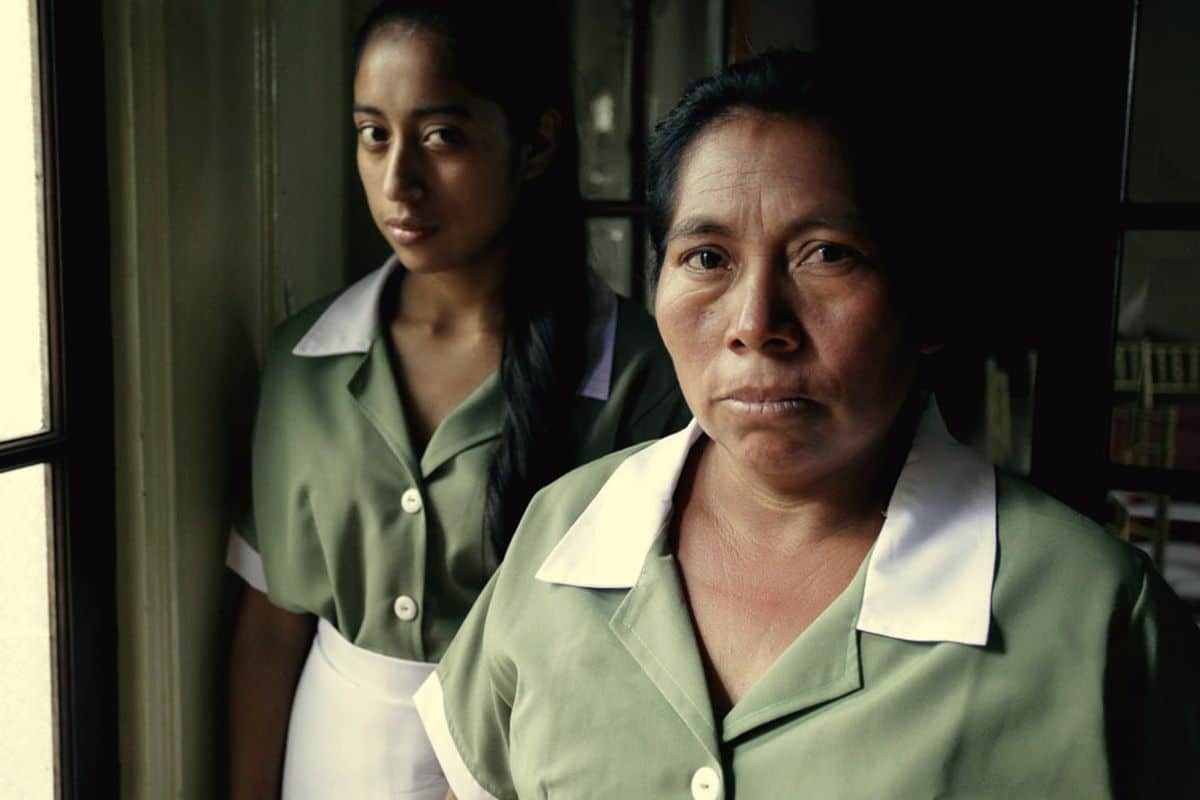
Not to be confused with the Conjuring-adjacent studio horror film, Jayro Bustamante’s La Llorona is a devastating political ghost story about genocide, denial, and the haunted architecture of power.
The film centers on an aging former dictator facing trial for atrocities against Indigenous people. As protests rage outside his home, a mysterious new maid arrives, and the sins he spent a lifetime burying begin to surface.
Animal Farm is about how power rewrites history. La Llorona is about what happens when history refuses to stay rewritten. It is quiet, elegant, and furious.
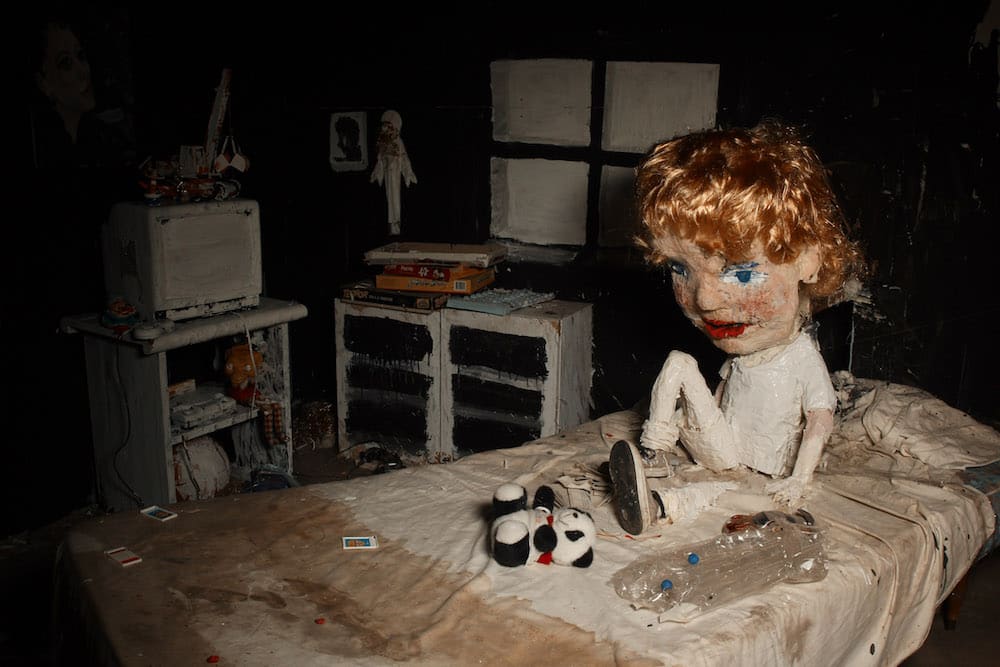
The Wolf House is a disturbing animated fairy tale imagined as cult propaganda, where the wolf is not merely chasing the girl who escaped, but living inside the story she was taught to believe.
The film follows a young woman who flees a German colony in Chile and hides in a house that constantly reshapes itself around her. Its visuals are astonishing, but the real horror lies in its roots. It’s animated like a fairy tale rotting from the inside out: a stop-motion nightmare of papier-mâché bodies, painted walls, and shape-shifting rooms.
The film is inspired by Colonia Dignidad, the infamous German cult-like settlement tied to authoritarian control and Pinochet-era brutality. As part of their research, the filmmakers studied the colony’s audiovisual archive, which presented happy family images as propaganda covering a coercive, abusive community.
The Wolf House does not dramatize history so much as imagine the propaganda that horrific history might have produced.
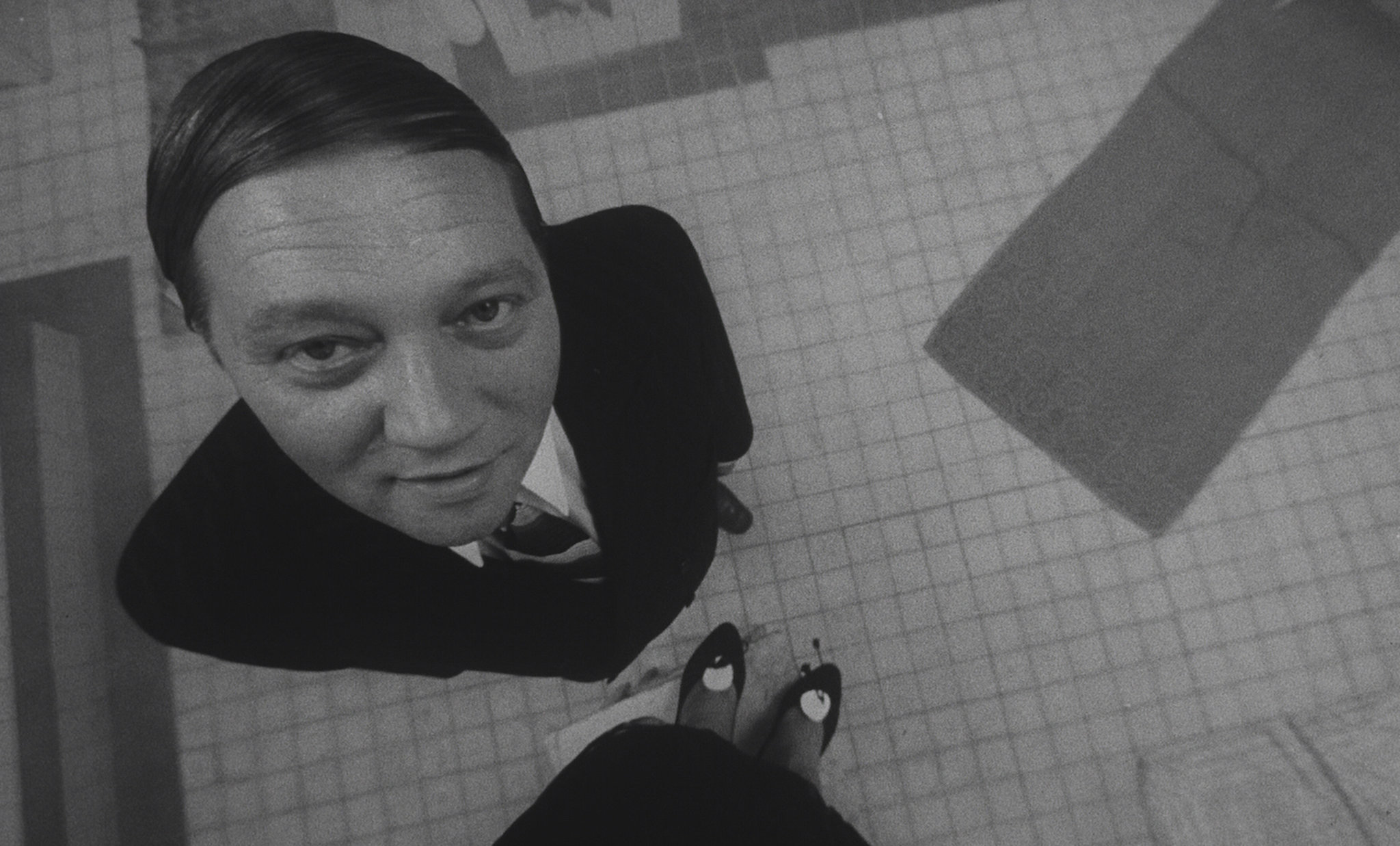
A masterpiece of political horror from The Criterion Collection, The Cremator is one of the most chilling portraits of ideological seduction ever put on film.
Rudolf Hrušínský plays Karl Kopfrkingl, a crematorium worker whose obsession with death, purity, and spiritual transcendence makes him dangerously receptive to Nazi ideology. What begins as a grotesque character study slowly mutates into a nightmare of moral surrender, as a weak man discovers that authoritarianism gives his ugliness a uniform, a purpose, and permission.
Like Animal Farm, the film understands that tyranny does not always arrive barking orders and beating you into submission. Sometimes it flatters. Sometimes it whispers. Sometimes it tells you that cruelty is mercy and murder is cleansing.
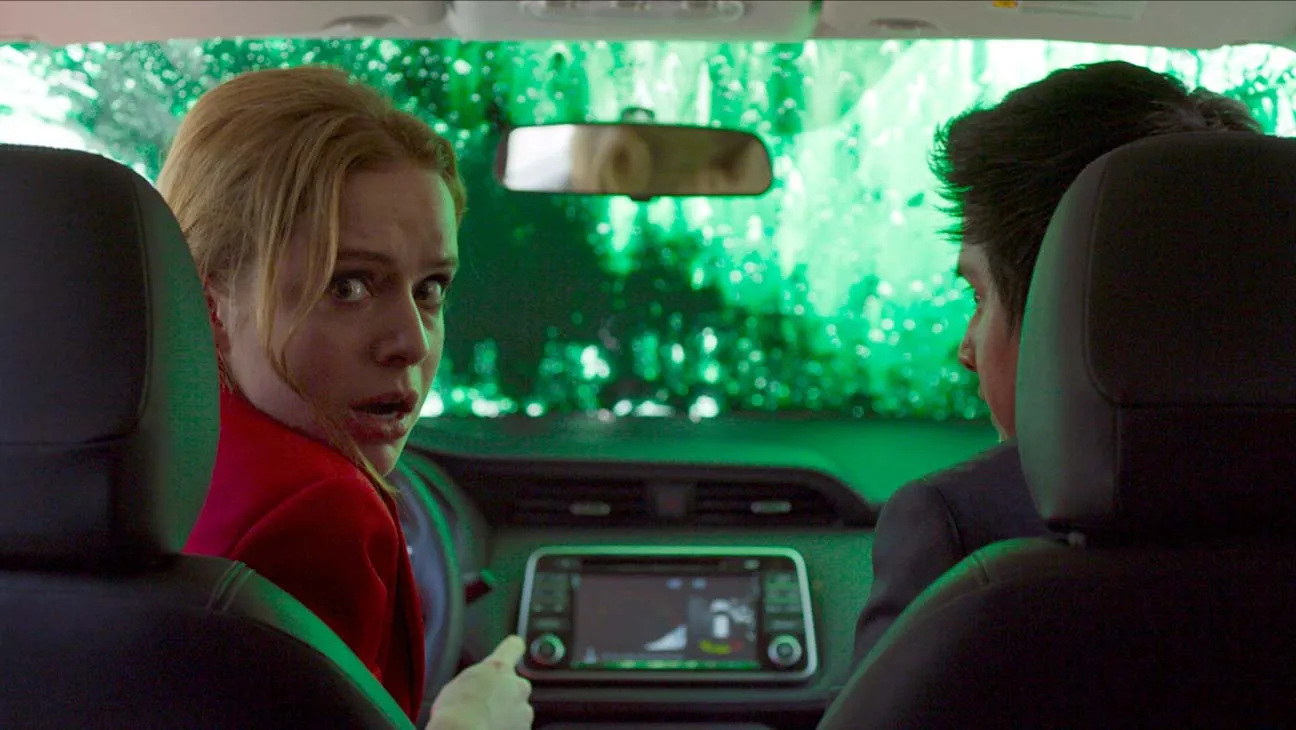
New Order is a vicious, stomach-knotting dystopian thriller distributed by Neon about class revolt, state violence, and the ease with which social collapse can be exploited by those waiting to seize control.
This tense Spanish-language Mexican film begins at an elite wedding as unrest erupts outside, then spirals into a nightmare where no side remains morally clean, and the state becomes the ultimate predator.
This is one of the nastier Animal Farm-adjacent picks because it understands that upheaval does not automatically produce justice. Sometimes it just creates fresh opportunities for new pigs to move into the farmhouse.
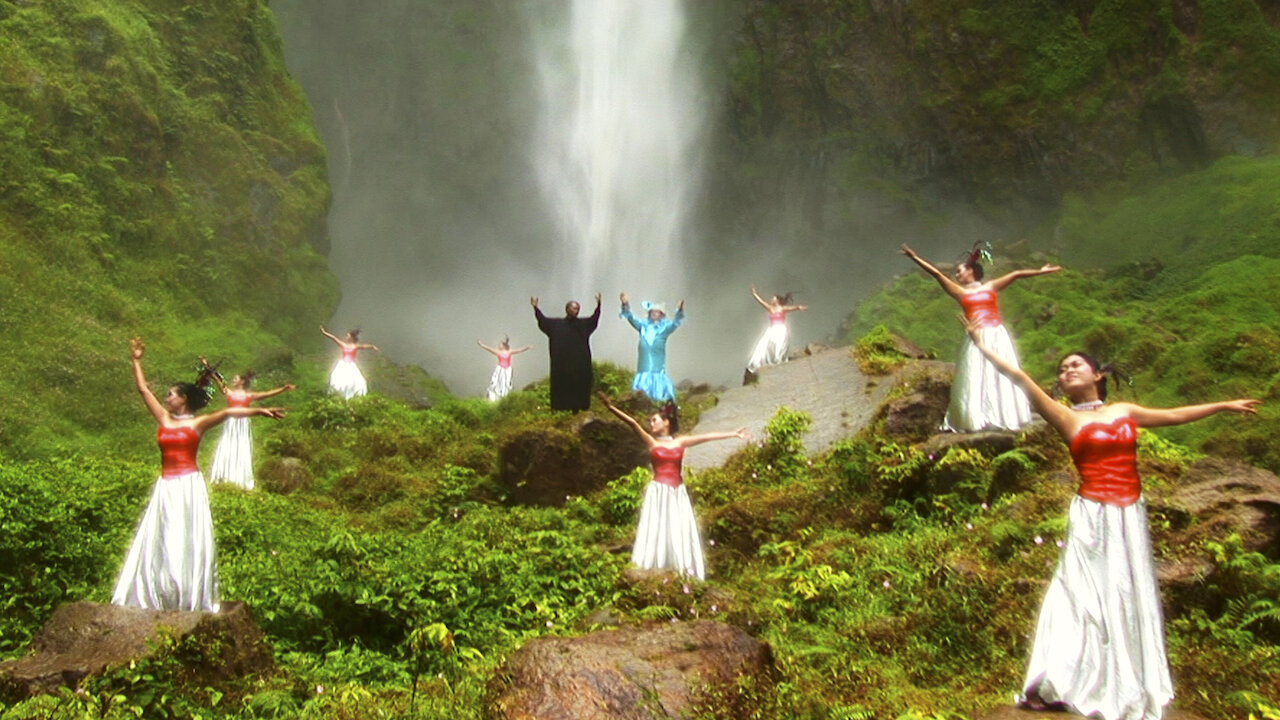
This is a documentary, not a horror film. It is also one of the most horrifying films ever made.
The Act of Killing asks perpetrators of mass murder in Indonesia to reenact their crimes in the style of their favorite movie genres. The result is surreal, obscene, and almost impossible to process. It exposes not only atrocity but also the propaganda systems that allow killers to become celebrities, heroes, and authors of their own mythology.
Animal Farm is about watching a lie take hold. The Act of Killing is about living in a world built on that lie. Here, the monsters don’t hide what they’ve done, because they’ve already convinced everyone it was necessary.
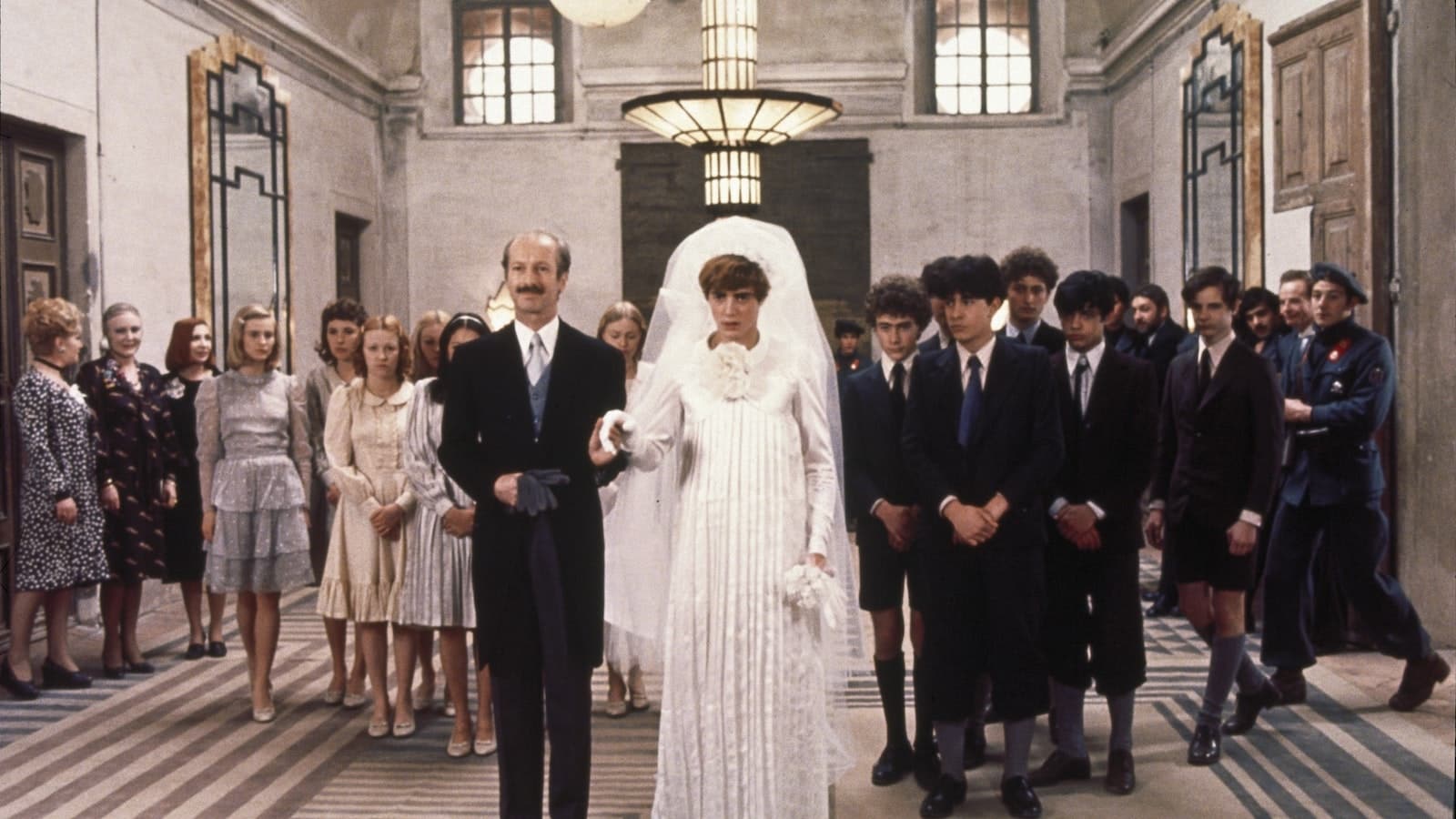
Salò is not an easy recommendation. It is vile, punishing, and intentionally difficult to endure. But if this list is about the corruption of power, propaganda, and the horror of authoritarian control, Pasolini’s infamous final film is impossible to ignore.
Set during the final days of Mussolini’s fascist republic, the film follows a group of powerful men who abduct young people and subject them to ritualized degradation, humiliation, and abuse. It’s bleak and devastating because it’s not just about monsters losing control. It’s about monsters in complete control, protected by status, ideology, and the machinery of the state.
Salò shows what remains after every ideal has been stripped away. No equality. No justice. No grand vision of a better society. Just power feeding on the powerless… simply because it can.

She’s a lover, he’s a fighter. Together, they’re CHEER AND LOATHING. Tune in to hear your hosts, Stephanie (Cheer) and Casey (Loathing), clash over the films they love — and the ones they love to hate.
In this holiday extravaganza episode of Guilty Pleasures, join hosts Stephanie, Kelly, and our newest addition, Jonathan (Jack was tied up in tinsel and couldn't join us), as they unwrap the bizarre and unhinged world of holiday cinema. They dive into the depths of Elves, a film that's as chaotic as it is entertaining. It's a sleigh full of questionable decisions, diabolical dialogue, absurd plot twists, wildly offensive antics, and unhinged holiday mischief.
And that's not all! In the second half of the podcast, join your festive cinephile friends for a look at four more ”nutty as a fruitcake” holiday treats: A New York Christmas Wedding, Elf Bowling, A Medea Christmas, and Jack Frost. Plus, we each offer a bonus Christmas flick guaranteed to make you say, ”Ho, Ho, HO-LY Hell!”
Expect laughter, disbelief, and a spirited debate about what truly makes a movie a guilty pleasure. Don't miss this festive journey through the weirdest corners of holiday films!


Follow Us!