


We explore seven major subgenres of horror and some of the most significant works in each, from decades-old classics to modern highlights.
No time to read? Click the button below to listen to this post.
Horror cinema offers a rich tapestry of subgenres, and each one brings its unique blend of fear and fascination.
From the visceral thrills of slasher films to the eerie mysteries of supernatural tales, from the spectacular, stomach-turning effects of body horror to the nail-biting, character-driven tension of psychological thrillers, from the larger-than-life magic of monster movies to the unnervingly realistic and immersive found footage films, the genre offers something for every type of enthusiast.
Many horror fans have a favorite subgenre, but most will eagerly sample from a diverse offering of genre gems, including those films that defy genre categorization or blend multiple subgenres. Variety is the spice of life, and it’s what makes this genre so special.
And it’s not just films that make the genre rich and satisfying, but the entire realm of entertainment covered on this site — including music, art, literature, comics, and games. If you have a versatile personality and like playing games as much as watching movies, you can click here to immerse yourself in an engaging game. Exploring different forms of entertainment can be a thrilling way to unwind and enjoy your free time.
Slasher Films
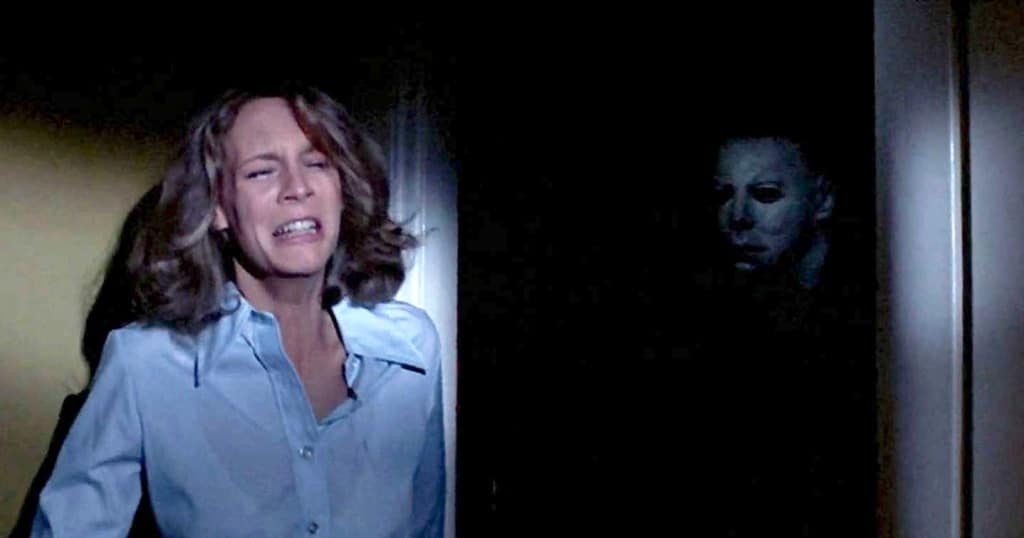
Slasher films emerged as a distinct subgenre in the late 1970s and early 1980s, characterized by a psychopathic killer stalking and murdering a group of victims, often teenagers or young adults. The roots of the slasher can be traced back to films like Peeping Tom (1960) and Psycho (1960), but the subgenre truly took off with John Carpenter’s Halloween (1978).
Defining Characteristics:
- A masked or obscured killer with a signature weapon
- High body count with creative, often graphic kills
- Final girl trope – a female protagonist who survives to confront the killer
- POV shots from the killer’s perspective
- Often set in isolated locations
Some of the most notable examples of slasher films in genre history include Friday the 13th (1980), A Nightmare on Elm Street (1984), and Scream (1996). In recent years, we’ve been treated to a slasher resurgence, with standout titles like You’re Next (2011), Happy Death Day (2017), and X (2022). In the past year, we’ve gotten creative slasher fare like Eli Roth’s Thanksgiving, the horror comedy hit Totally Killer, and the divisive but commendable indie offering In a Violent Nature.
Psychological Thrillers
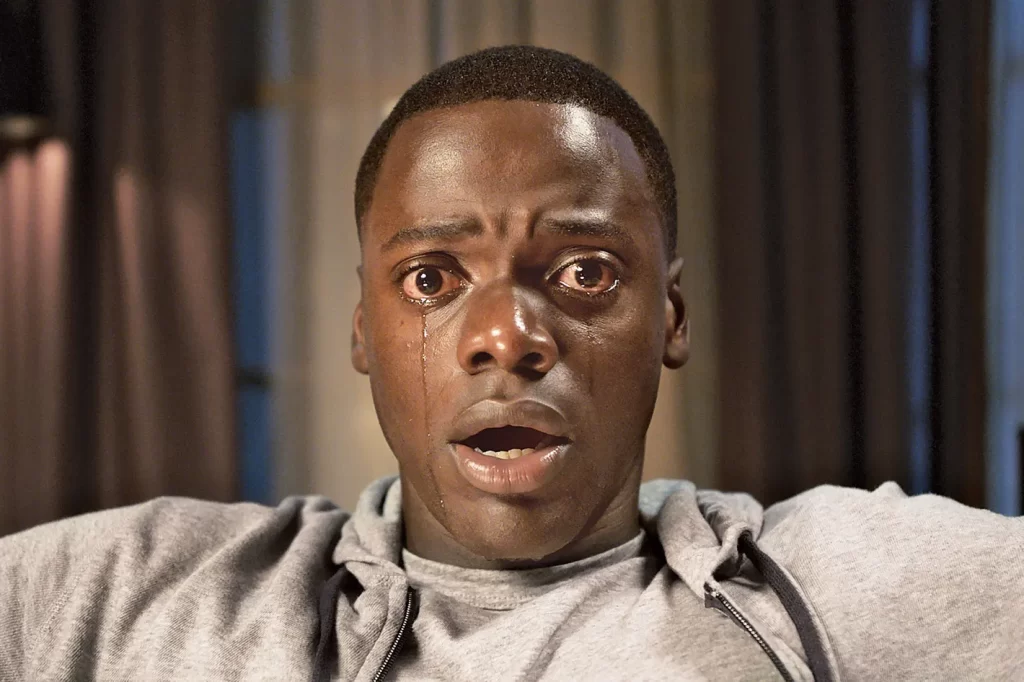
Psychological thrillers focus on their characters’ mental and emotional states, often blurring the lines between reality and delusion. This subgenre emphasizes suspense and mystery over overt violence or supernatural elements.
Defining Characteristics:
- Unreliable narrators or perspectives
- Exploration of mental illness or psychological trauma
- Mind-bending plot twists
- Ambiguous endings that leave room for interpretation
Notable examples include classics like Rosemary’s Baby (1968) and modern masterpieces like The Silence of the Lambs (1991) and Black Swan (2010). In the past decade, critically acclaimed films like Get Out (2017), The Lighthouse (2019), Saint Maud (2019), and Longlegs (2024) have delivered a potent mix of chills with dramatic tension, compelling characters, innovative storytelling, and breathtaking technical prowess.
Monster Movies
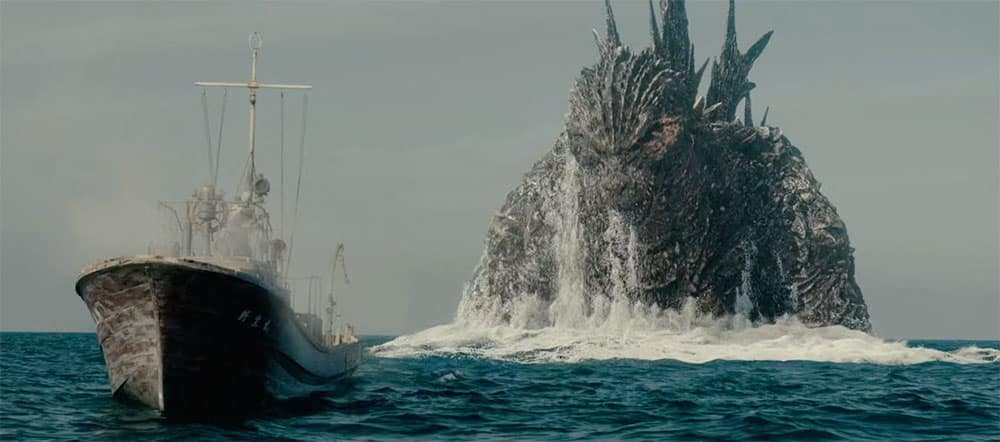
Monster movies feature creatures, often of unnatural size or with extraordinary abilities, as the primary antagonists. This subgenre has its roots in classic literature like Frankenstein and Dracula and has been a staple of horror cinema since the Universal Monsters era of the 1930s.
Defining Characteristics:
- Creature design is often a central focus
- May incorporate elements of science fiction or fantasy
- Often explore themes of man vs. nature or the consequences of scientific hubris
- Can range from campy to deadly serious in tone
Among the most important and influential monster movies are Godzilla (1954), Alien (1979), and The Thing (1982). Recent years have given us many more memorable monsters, including Cloverfield (2008) — which also happens to be a standout in our next category (found footage), The Host (2006), A Quiet Place (2018), and Godzilla Minus One (2023).
Found Footage
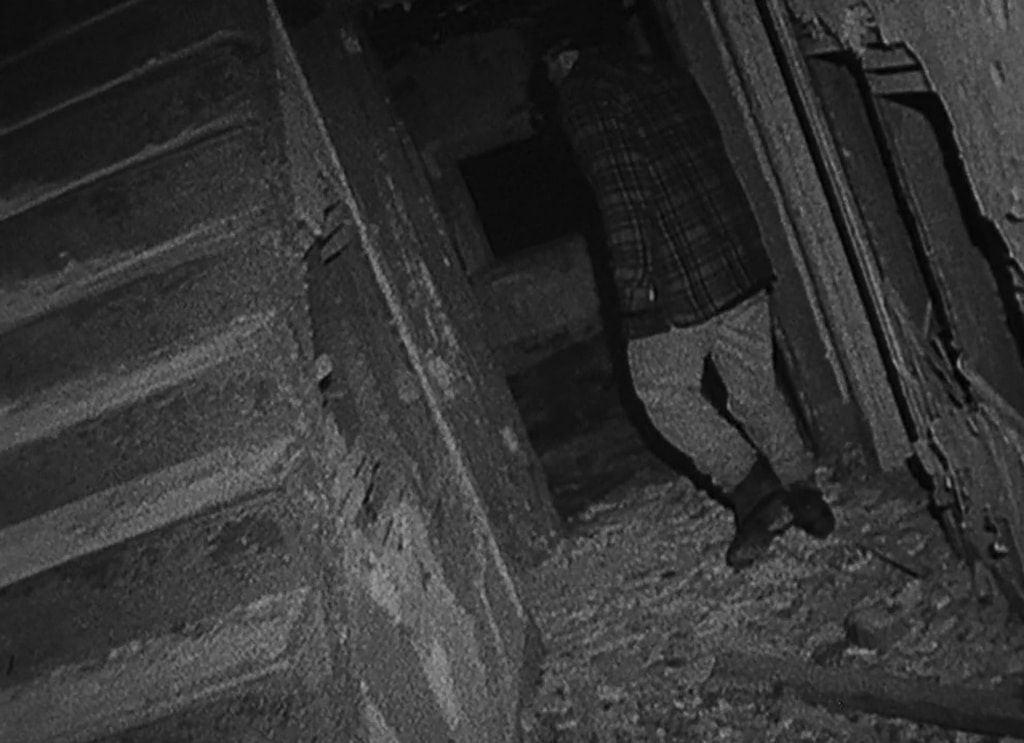
Found footage horror presents the film as discovered video recordings, often from the perspective of the characters experiencing the horror. This subgenre gained popularity in the late 1990s with The Blair Witch Project (1999).
Defining Characteristics:
- Handheld camera work and amateur-style filming
- Often presented as “real” events
- Typically low-budget productions
- Relies heavily on the audience’s imagination and suggestion
Before Blair Witch, there was a film that revolutionized the found footage style of narrative filmmaking, the controversial Cannibal Holocaust (1980), the first horror film using this technique. The success of Blair Witch led to a tidal wave of films in the subgenre. Many were terrible and forgettable, but a few became some of the subgenre’s finest, including 2007’s [REC] and Paranormal Activity. In recent years, we’ve had the excellent Creep (2014), Hell House LLC (2015), and 2023’s Skinamarink and The Outwaters.
Body Horror
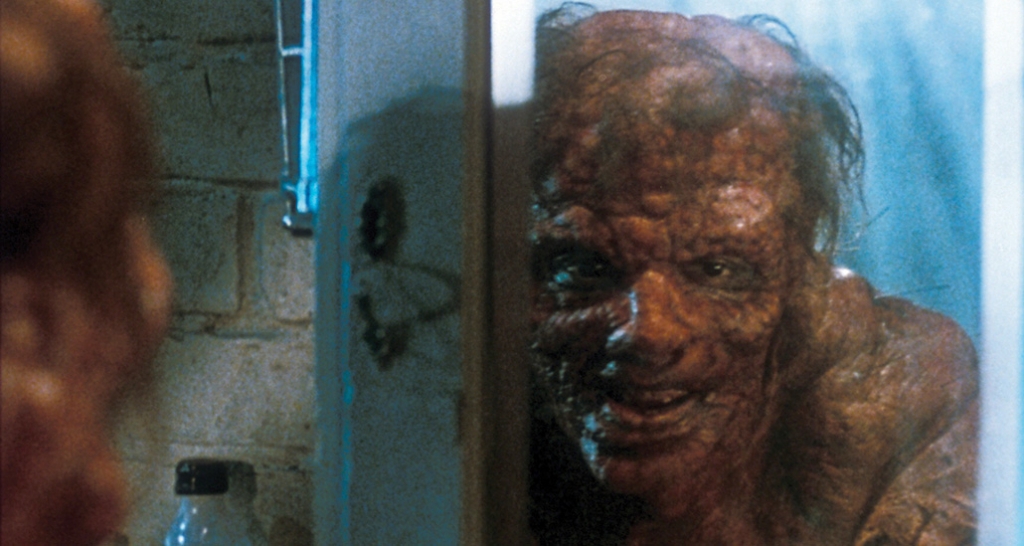
Body horror focuses on the graphic destruction, degeneration, or transformation of the human body. This subgenre often explores themes of disease, mutation, and the loss of bodily autonomy.
Defining Characteristics:
- Graphic depictions of bodily transformation or mutilation
- Often incorporates elements of science fiction or surrealism
- Explores fears related to infection, disease, and loss of control over one’s body
- Frequently features practical special effects
David Cronenberg is hailed as the principal originator of the body horror genre. His films, like The Fly (1986) and Videodrome (1983), explore visceral bodily transformation, infectious diseases, and the intertwining of the psychological, physical, and technological. Modern films that explore body horror elements are often referred to as Cronenbergian. Some of the best of the 2000s include Cabin Fever (2002), Contracted (2013), Raw (2016), Possessor (2020), and Titane (2021).
Folk Horror
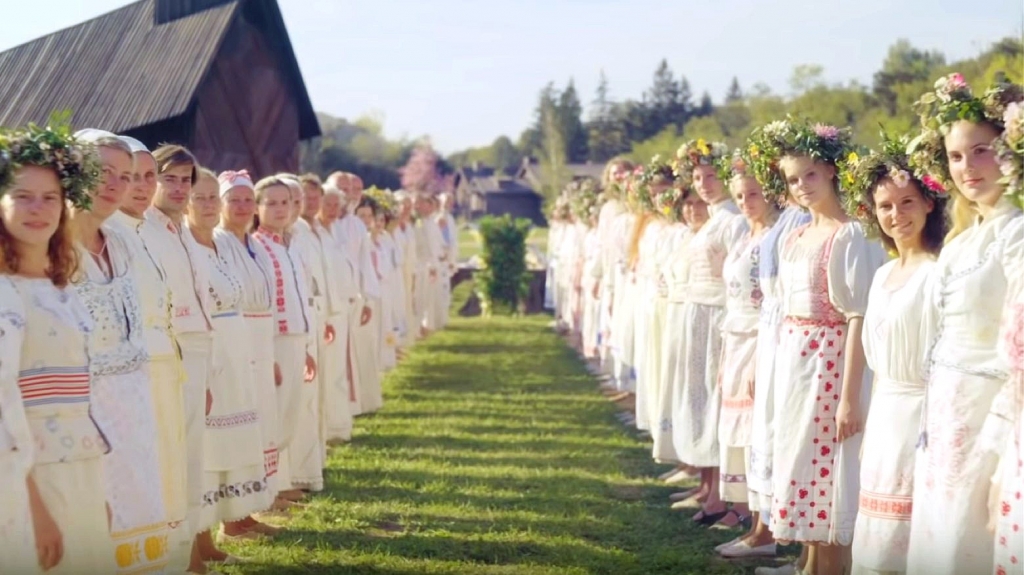
Folk horror typically involves rural settings, ancient traditions, and pagan or occult practices. This subgenre often explores the clash between modern sensibilities and old-world beliefs.
Defining Characteristics:
- Rural or isolated settings
- Themes of paganism, witchcraft, or ancient rituals
- Often features a “fish out of water” protagonist
- Explores the tension between modernity and tradition
Folk horror thrived in the 1970s, with masterful works like The Wicker Man (1973) and Blood on Satan’s Claw (1971). In recent years, the subgenre has once again flourished following breakout hits like The Witch (2015) and Midsommar (2019). Other standouts of the past decade include The Wailing (2016), The Ritual (2017), Lamb (2021), and You Won’t Be Alone (2022).
Supernatural Horror
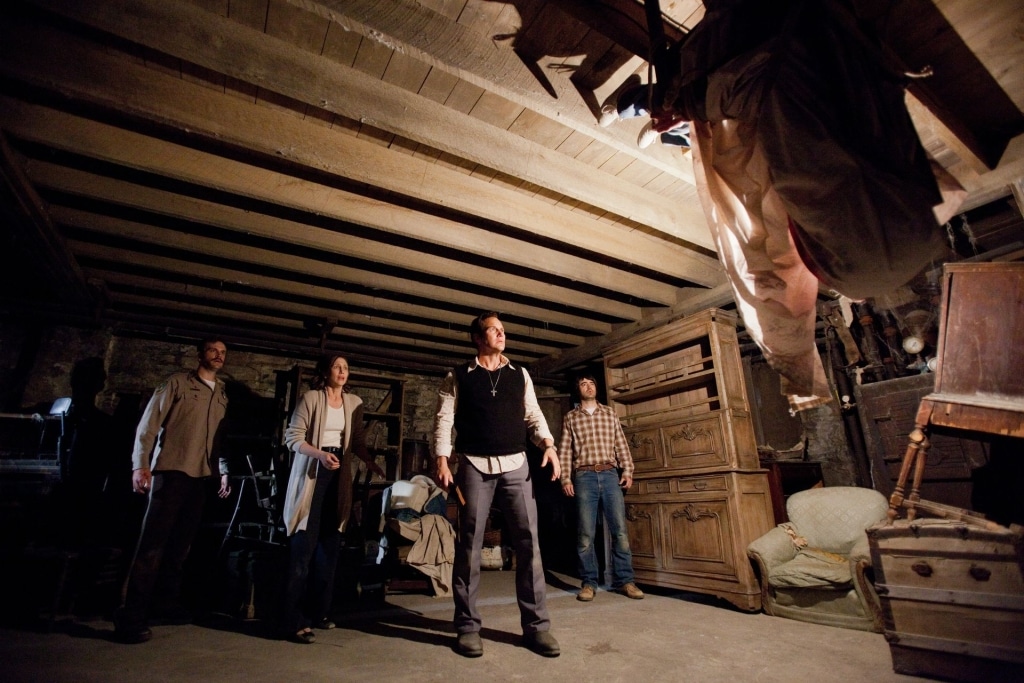
In our final stop in the exploration of horror’s major subgenres, we have supernatural horror (often heavily associated with religious horror). Supernatural horror deals with forces beyond the natural world, such as ghosts, demons, and other paranormal entities. This subgenre has roots in Gothic literature and has been a staple of horror cinema since its inception.
Defining Characteristics:
- The presence of otherworldly entities or forces
- Often involves hauntings, possessions, or curses
- Frequently explores themes of faith and the afterlife
- Often incorporates religious elements or folklore
Notable examples of supernatural horror films include The Exorcist (1973), Poltergeist (1982), and The Conjuring (2013). Films widely considered among the best of the past decade include Hereditary (2018), The Witch (2015), and It Follows (2014). In the past year, standouts of supernatural horror included When Evil Lurks, Late Night With the Devil, and Talk to Me.
IN CONCLUSION:
The diverse subgenres of horror offer a wide range of scares and thrills, each with its unique approach to eliciting fear. Whether you like slow-burning mysteries steeped in atmosphere or intense thrill rides with ample gore, there’s something in this genre for everyone. By exploring these subgenres, enthusiasts can appreciate the depth and creativity that make these films so enduringly popular.






Follow Us!